
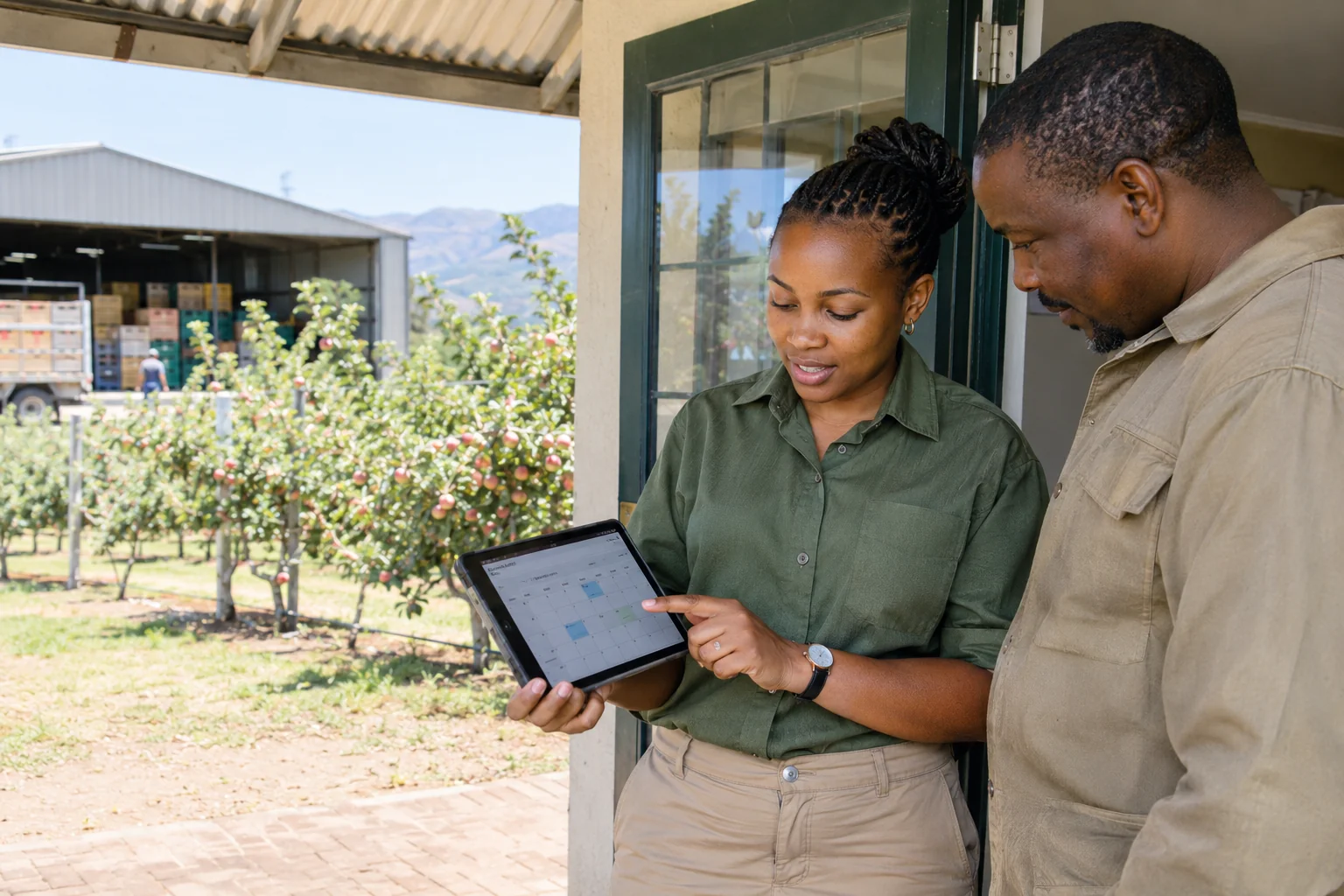
When a delivery plan is crowded, my first question is not whether another task can fit into an empty-looking calendar cell. I want to know which person can perform the work, what they already own and whether the necessary review time is available. A booking is not the same thing as usable capacity.
Consider a fictional communications team preparing an insurance explainer, an agricultural interview edit and an internal learning guide. The same editor contributes to all three. I would make that shared dependency visible before promising three delivery dates independently.
I start with the work that requires a named person
I would list the activities that genuinely depend on the editor: assembly, revision, export and technical inspection. Some coordination tasks may belong elsewhere. Grouping everything under editing makes it difficult to see which part of the workload needs that particular skill.

Each estimate would have a basis and an uncertainty note. A familiar export may be easier to estimate than an assembly whose source material has not arrived. I would not make the second estimate look equally certain simply because both appear as numbers in the same spreadsheet.
I calculate from available time rather than theoretical hours
In the fictional week, suppose the editor has 30 working hours available after agreed leave and standing commitments. If planned production totals 24 hours and review changes have a six-hour allowance, that uses the whole stated capacity. It does not leave another six hours merely because revisions are not yet assigned to individual days.

I would show those components separately. The team can then challenge the assumptions: perhaps a meeting can move, an estimate is incomplete or another person can take a defined task. The arithmetic is illustrative, not a productivity benchmark or a claim about how many hours anyone should work.
I reserve the review that makes delivery possible
An editor finishing a cut does not mean the release owner is ready to assess it. I would record the review window, the expected response and the time needed to address it. Otherwise, the plan can appear achievable while relying on an unspoken overnight turnaround.
The APM describes change control as a process for capturing and assessing proposed changes before deciding what to do with them. I would apply that discipline when a new request consumes capacity already promised elsewhere. APM change control overview.

I show the consequence of an extra request
Suppose the insurance explainer needs an additional three-hour revision. I would identify the options rather than quietly add the work to a full week. One option might move a lower-priority assembly; another might reduce an agreed deliverable; a third might involve suitably available additional support.
Each option needs a responsible decision-maker. I can show the dependency and the likely effect, but I should not change another project's commitment without the appropriate agreement. The updated plan should record what moved and why, not only display a new completion date.
I compare estimates with observations without turning them into blame

After the work, I would record the time actually required and the circumstances that affected it. Missing source material, an unclear brief and a new creative direction are different explanations. Combining them under slow editing would make the next estimate less useful.
I would use that evidence to improve one assumption at a time. If review changes consistently take longer than allowed, the next plan needs a more realistic allowance or a better review process. The answer is not to hide the work so that the original estimate appears correct.
I keep the capacity conversation connected to commitments

My preferred review ends with a clear statement of what the team can reasonably commit to, what remains provisional and which decision could change the plan. The calendar then becomes a representation of those commitments, rather than the evidence used to invent them.
I would keep the underlying assumptions accessible to the people making delivery decisions. That allows a change to be assessed quickly and fairly. A useful capacity plan explains the trade-off before a missed date forces everyone to discover it under pressure.
Research and example note
Prepared for 10 November 2026. The APM source supplies only the general change-control context. The hours, team and allocation method are fictional working examples, not measured client results or a staffing recommendation.