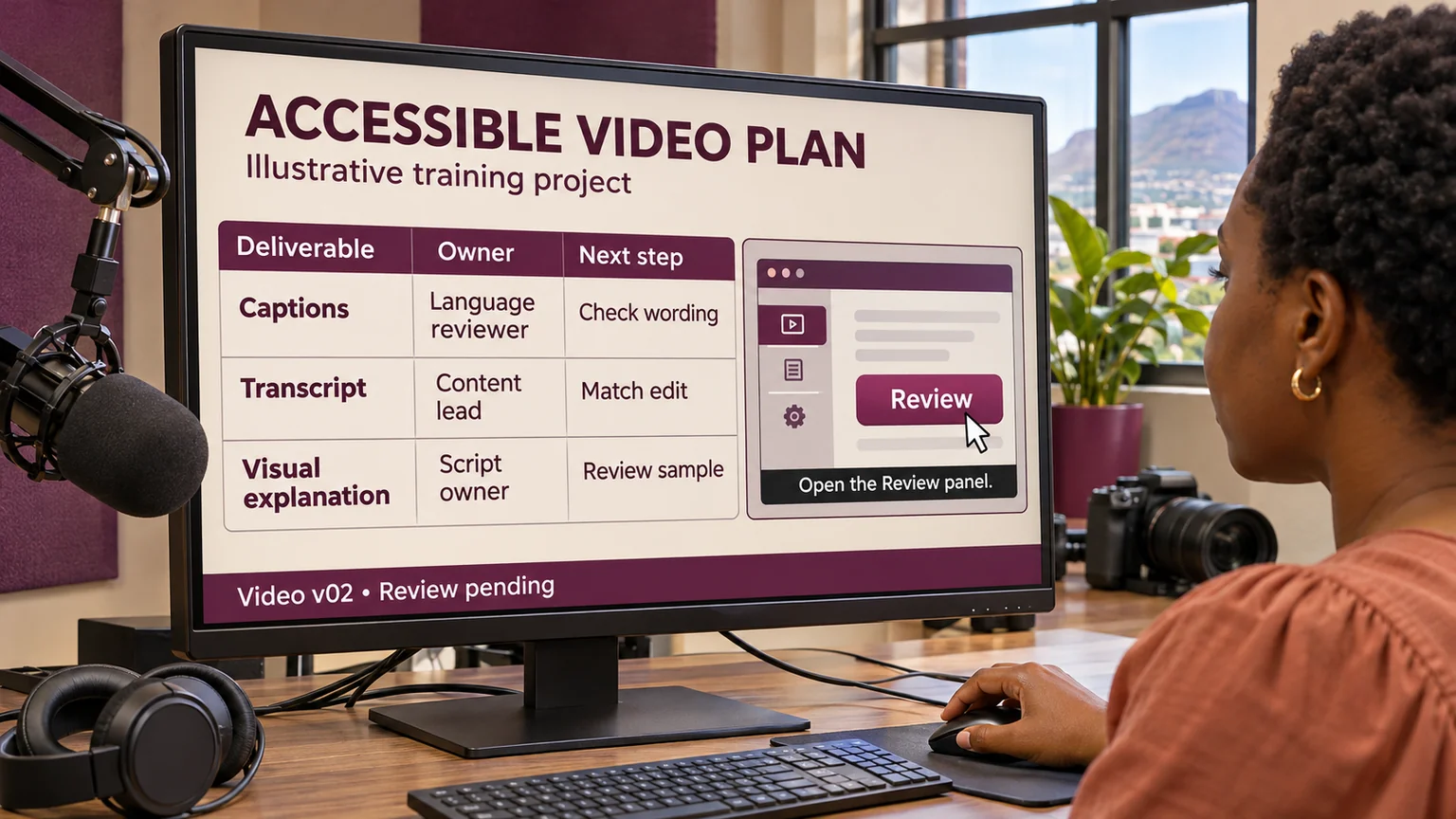
A caption file can be linguistically accurate and still be difficult to follow on screen. It can also be perfectly timed while changing the intended meaning. I would therefore separate language acceptance from production acceptance when coordinating multilingual video.
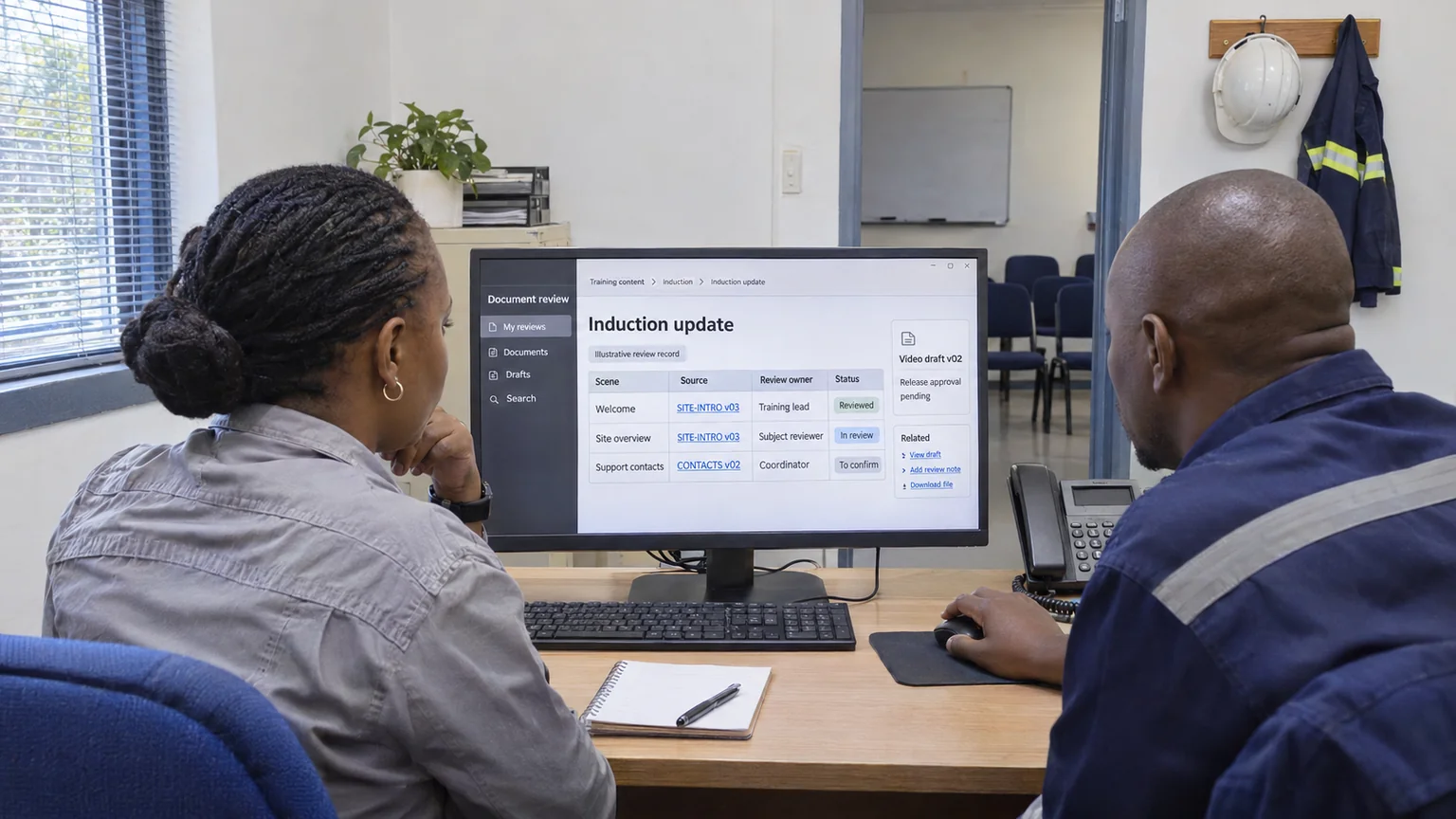
Consider a fictional corporate induction package with an English source video and an additional language version of its captions. My job would be to connect the correct script, video and caption versions to the people qualified to review them. I would not infer language expertise from somebody being available to respond quickly.
I establish the source version
Before translation begins, I would identify the accepted source wording and the corresponding video cut. If the edit is still changing, I would explain that status and record which changes the translator needs to receive.

A transcript from an earlier cut may omit a new sentence or preserve words that no longer appear. I would keep the source identifier with the translation task so that the language reviewer can assess the intended material rather than work from an unexplained attachment.
I define the language review
The language owner would assess meaning, terminology and suitability for the intended audience. I would give them the context of the video and any approved terminology, not only an isolated list of sentences.
When a phrase has more than one possible interpretation, I would record the question and the agreed choice. The production team should not settle it by choosing whichever text fits the available space. A shorter line that changes the message is a content change requiring an appropriate decision.
I define the production review
The production owner would inspect timing, readability and the relationship between captions and the actual video. W3C describes captions as synchronised text conveying speech and relevant non-speech audio information. W3C captions guidance.
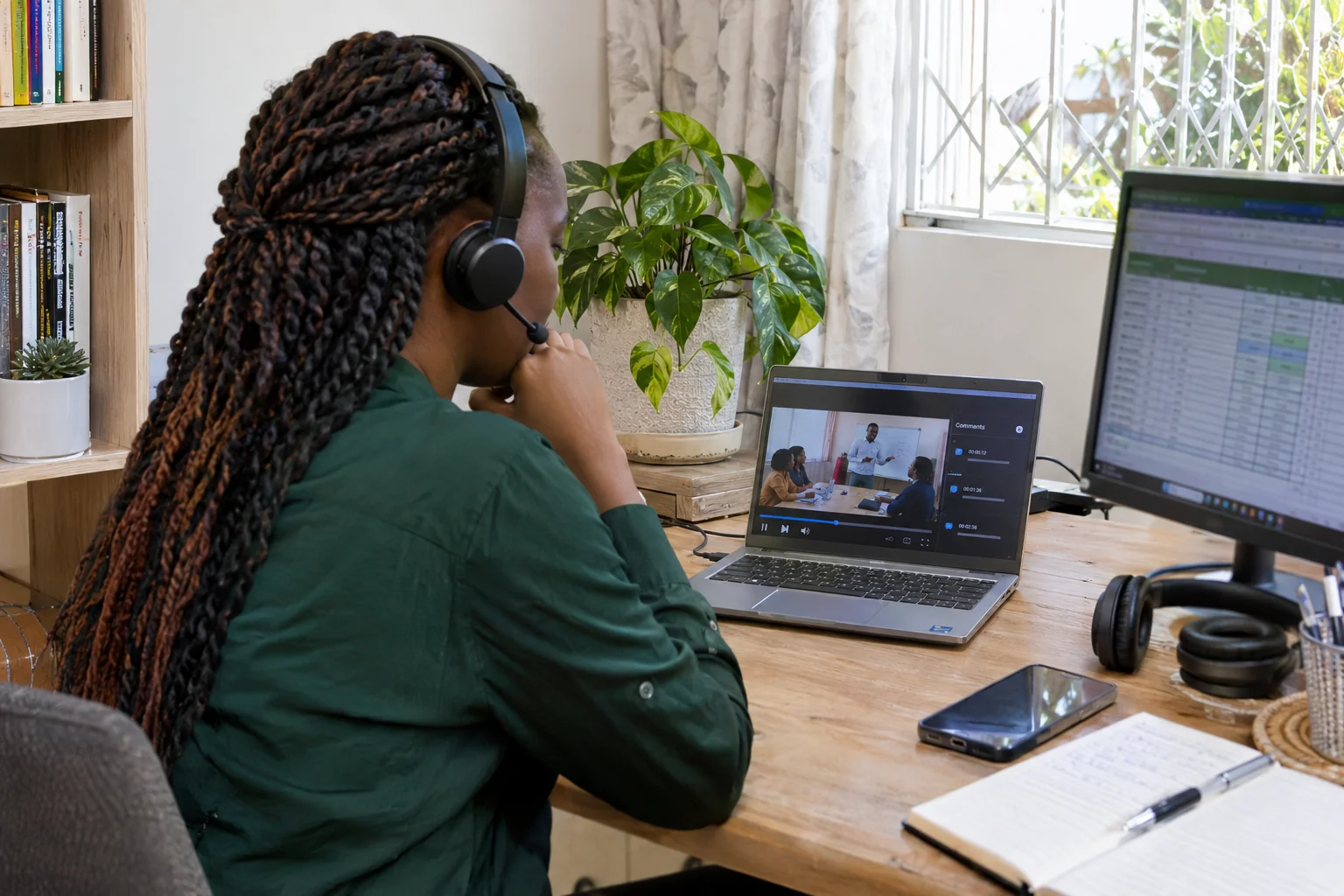
I would ask for a playback review of the delivered file, not only a text-document check. A line may collide with an on-screen name, disappear too quickly or appear during the wrong speaker's contribution. Those observations need timecodes and a clear correction request.

I make disagreements actionable
Suppose the accepted translation is too long for the current timing. I would bring the language and production owners together around that specific line. Possible responses could include an agreed rephrasing or a change to the edit, depending on the brief.
I would not silently remove information to make the software's warning disappear. The decision record should explain what changed and who accepted it. That helps avoid a second reviewer restoring the original wording without understanding the timing issue.
I test the intended delivery route

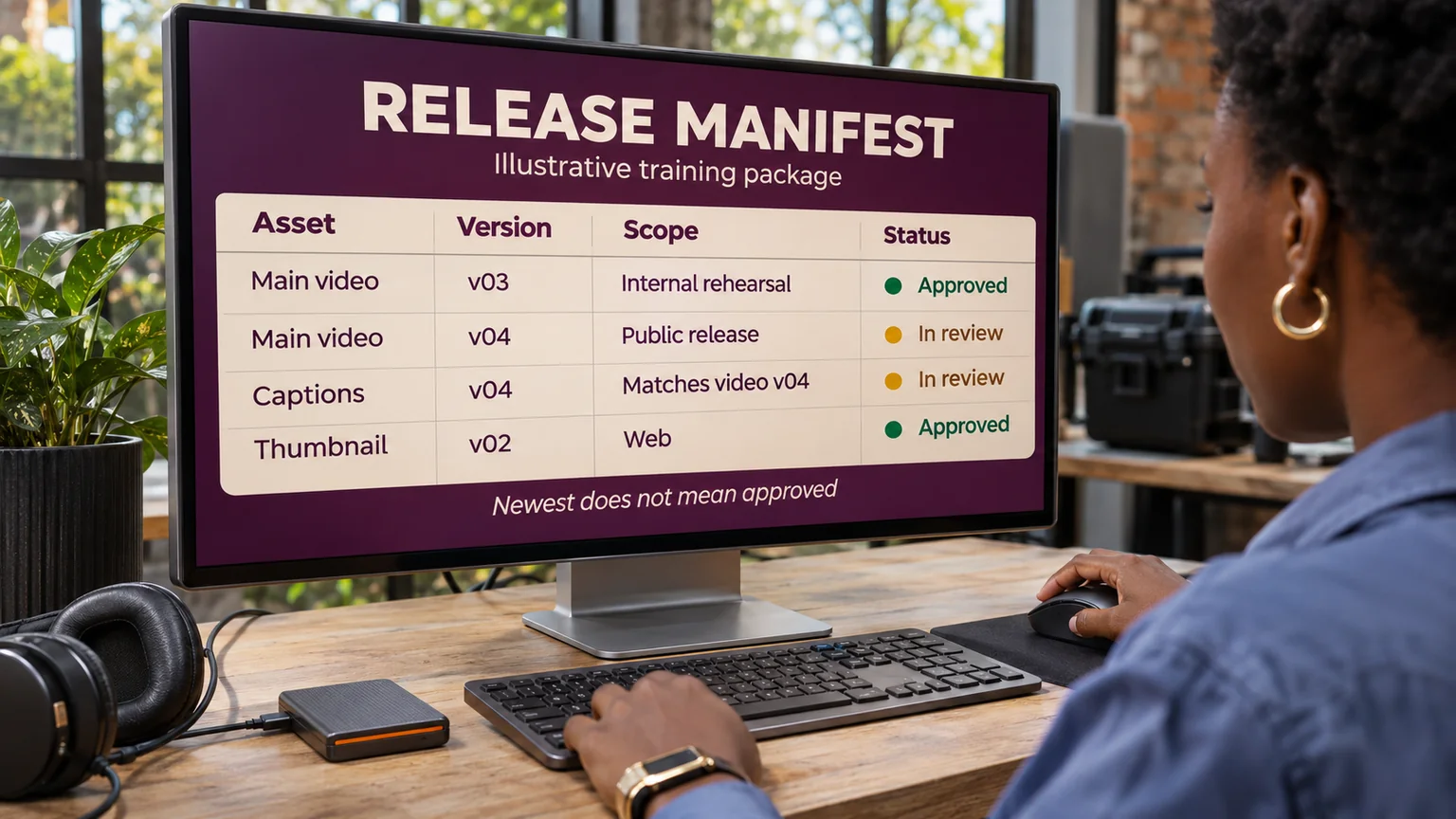
For the fictional package, I would check the caption file in the agreed player or learning environment. I would confirm that the correct language can be selected and that the exported video and caption versions remain paired.
I would record the devices and environments checked. A successful local preview is useful, but it does not prove that the uploaded package behaves identically. The handover should distinguish the tests performed from coverage that has not been assessed.
I preserve both decisions at handover

The final record would identify the language acceptance, production acceptance, released file and any remaining limitation. If the source video later changes, the owner can find the affected caption version and the people needed to review it again.
This division of responsibility is not an excuse to split the problem into disconnected tasks. I would coordinate the two reviews so that meaning and presentation support each other. The useful result is a caption package that communicates the intended content in the actual viewing experience.
Research and example note
Prepared for 13 November 2026. The induction package is fictional. The W3C source supplies the short definition of caption content and synchronisation; the two-owner coordination method is an original proposal, not a claim of comprehensive accessibility compliance.