A construction progress film can look straightforward on a content calendar: visit the site, capture the activity and deliver an edit. The difficult part is that the location has its own programme. People, deliveries and access arrangements do not exist to support my shot list.
I start by connecting the production plan to the decisions that control access. My camera schedule needs to fit the authorised working environment, and I need a useful alternative when the planned view or interview is no longer available.
Consider a fictional short film about a building project. The brief calls for an exterior progress sequence, an interview with the project lead and close views of a completed sample area. I would treat these as three separate production packages with different dependencies. This is an illustrative coordination example, not a report of a construction engagement or a site safety plan.
I turn the brief into location-dependent shots
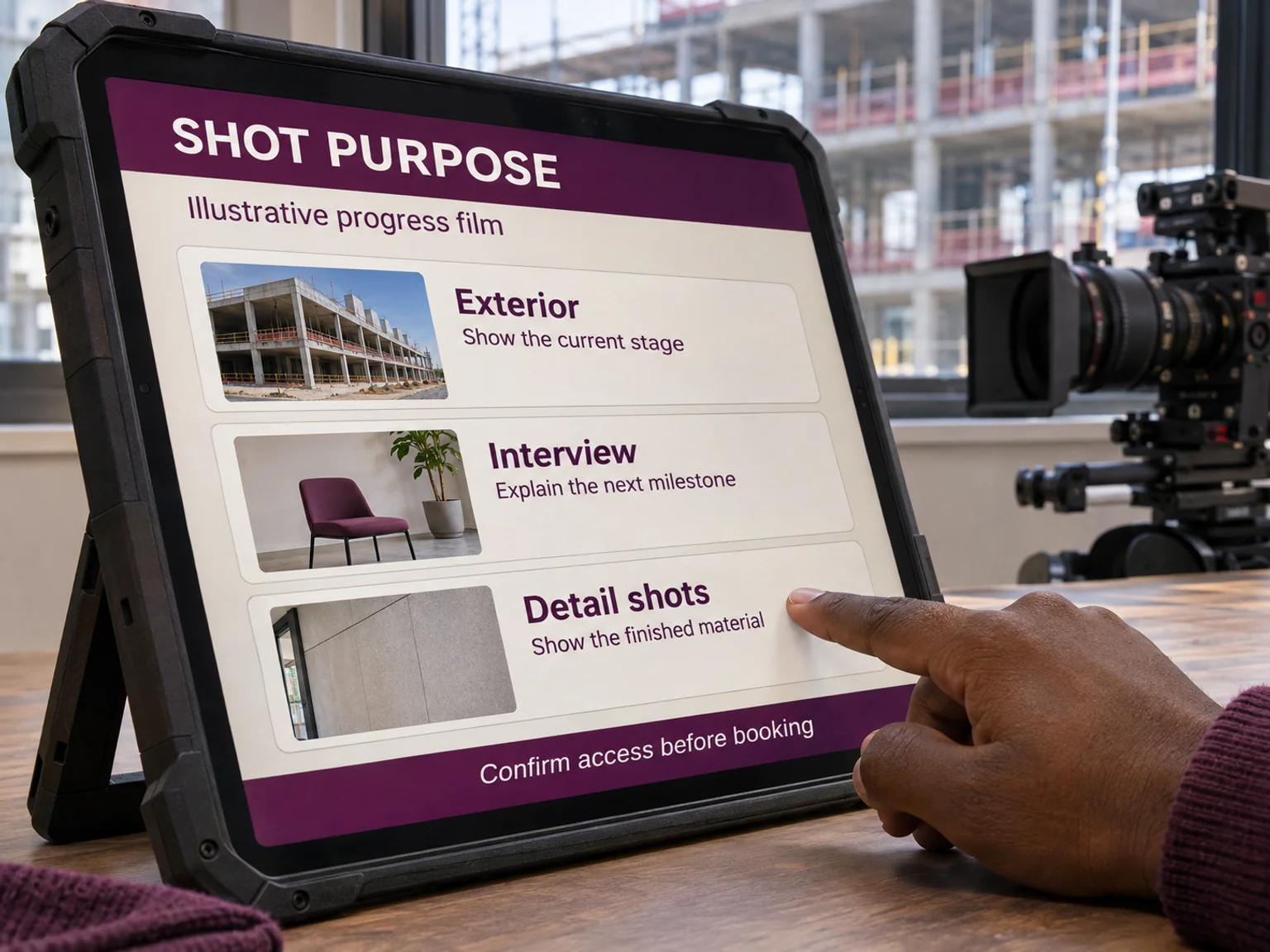
Before choosing a filming date, I ask what each sequence needs to communicate. An exterior shot might establish the current stage. An interview might explain the next milestone. A detail shot might illustrate a finished material. Those purposes help me assess alternatives without pretending that every attractive image serves the brief.
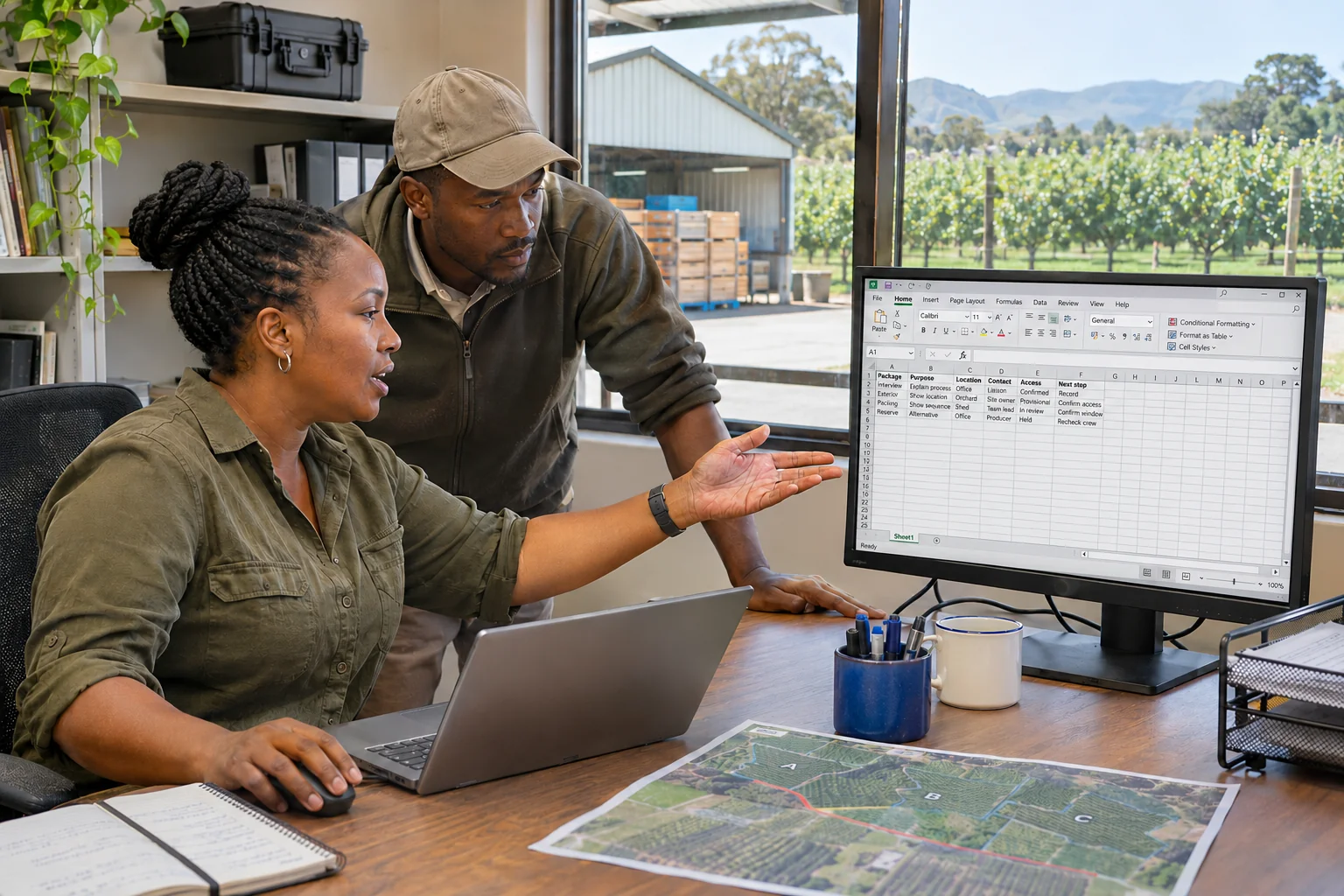
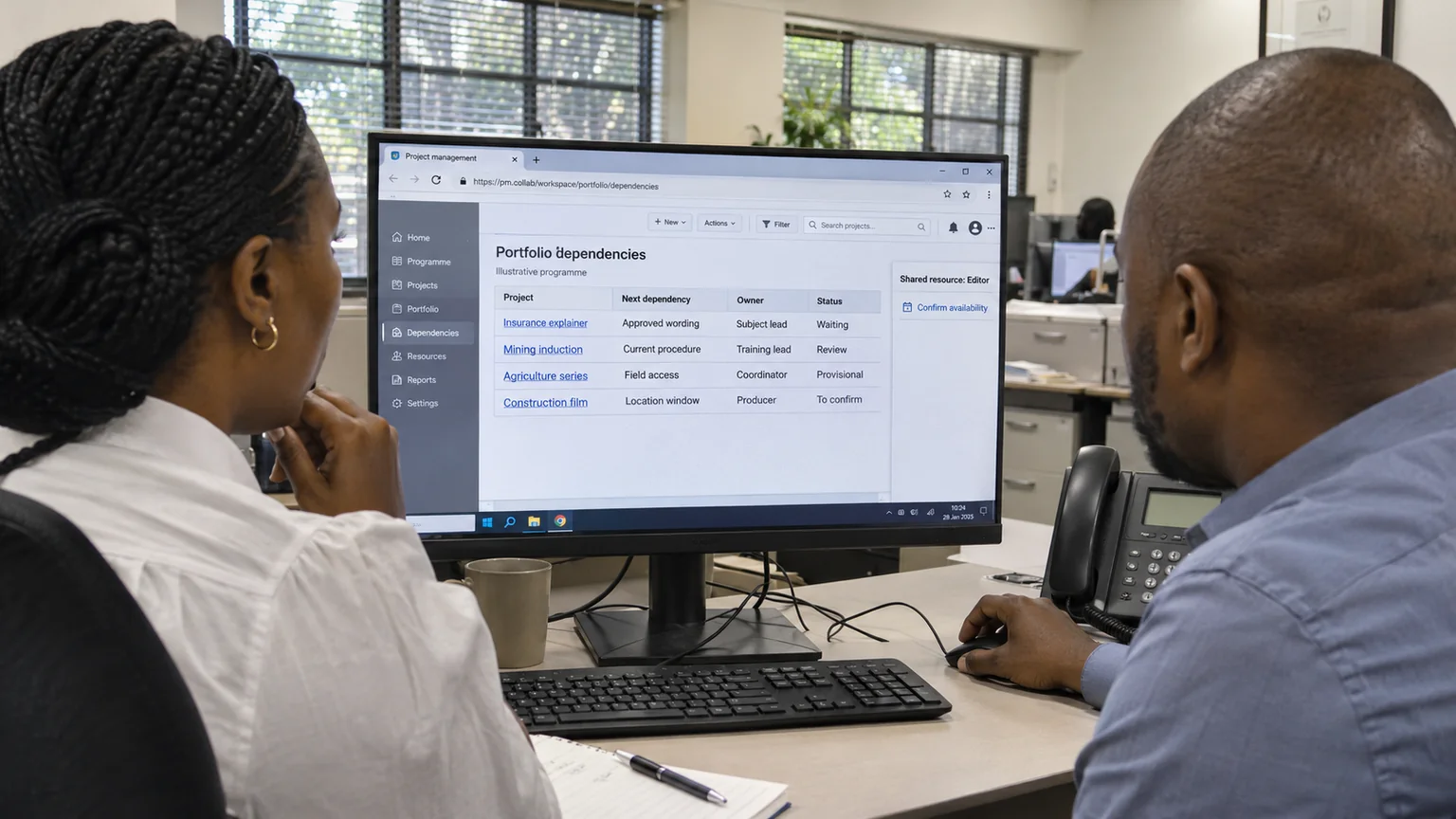
In my planning dashboard, each sequence gets a location, a proposed window, a site contact and a readiness condition. I distinguish permission to use a location from confirmation that the location will be available at a particular time. An agreement made during an earlier visit may need reconfirmation when the programme changes.
I would also distinguish a view that is essential to the story from one that is simply desirable. If the sample area becomes unavailable, an approved existing image may explain the material better than an unrelated replacement shot. That alternative would need its own usage permission and a caption that makes its origin clear.
I give site arrangements their own owner
I would name the person authorised to confirm access and the person coordinating production. They may be different people. The camera operator should not have to infer permission from a friendly conversation with someone nearby.
The UK Health and Safety Executive's guidance discusses site-specific inductions and appropriate information for occasional visitors. I use that as a planning reminder to ask the responsible site team what applies to the visit; it is not a statement of South African legal requirements. HSE site rules and induction.
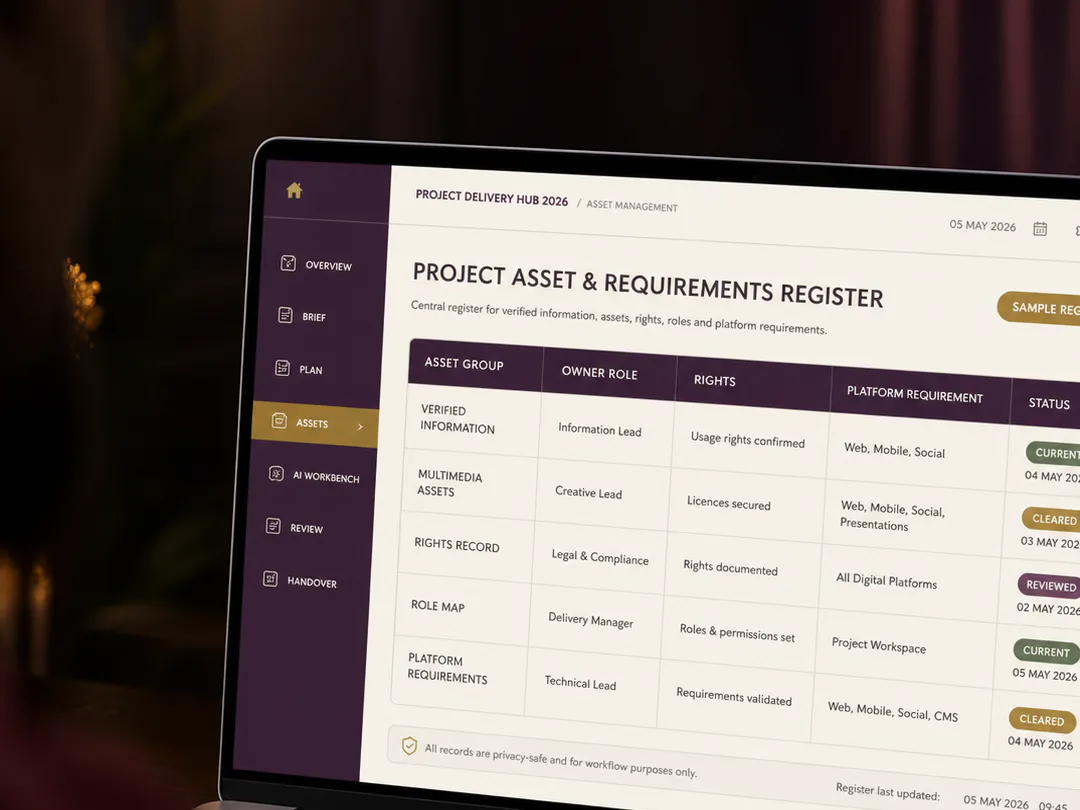
My production record would therefore show who confirms the applicable arrangements and when the crew receives them. I would not replace the site's instructions with a generic filming checklist. Any specialist assessment, operating restriction or decision about safe access belongs with the appropriately responsible people.
I separate proposed windows from confirmed access
For the fictional film, I might propose an interview in the site office before the exterior sequence. The dashboard would initially show both windows as provisional. Once the relevant owner confirms them, I would record the confirmation time and any conditions alongside the schedule.
A status of confirmed needs a meaning. It could mean that the room is booked and the interviewee has accepted, while exterior access remains subject to a same-day decision. Combining those conditions into one green production row would hide the uncertainty I need to manage.
I would include setup, movement and pack-down in the production window. The shot itself is only one part of the visit. If the available window cannot accommodate the whole activity, the plan needs to change before equipment arrives.
I prepare an alternative that still answers the brief
Screen Auckland's permit guidance asks productions to prepare through a location visit and provide details including contingency dates and equipment setup. Those are Auckland-specific application requirements; I take the broader planning lesson of making the intended activity clear before requesting access. Screen Auckland filming preparation.
For my example, an alternative could be to record the interview first and move the exterior sequence to a separately agreed window. Another option could be a revised edit structure using previously approved progress material, clearly dated. Neither option should quietly imply that old footage was captured during the new visit.
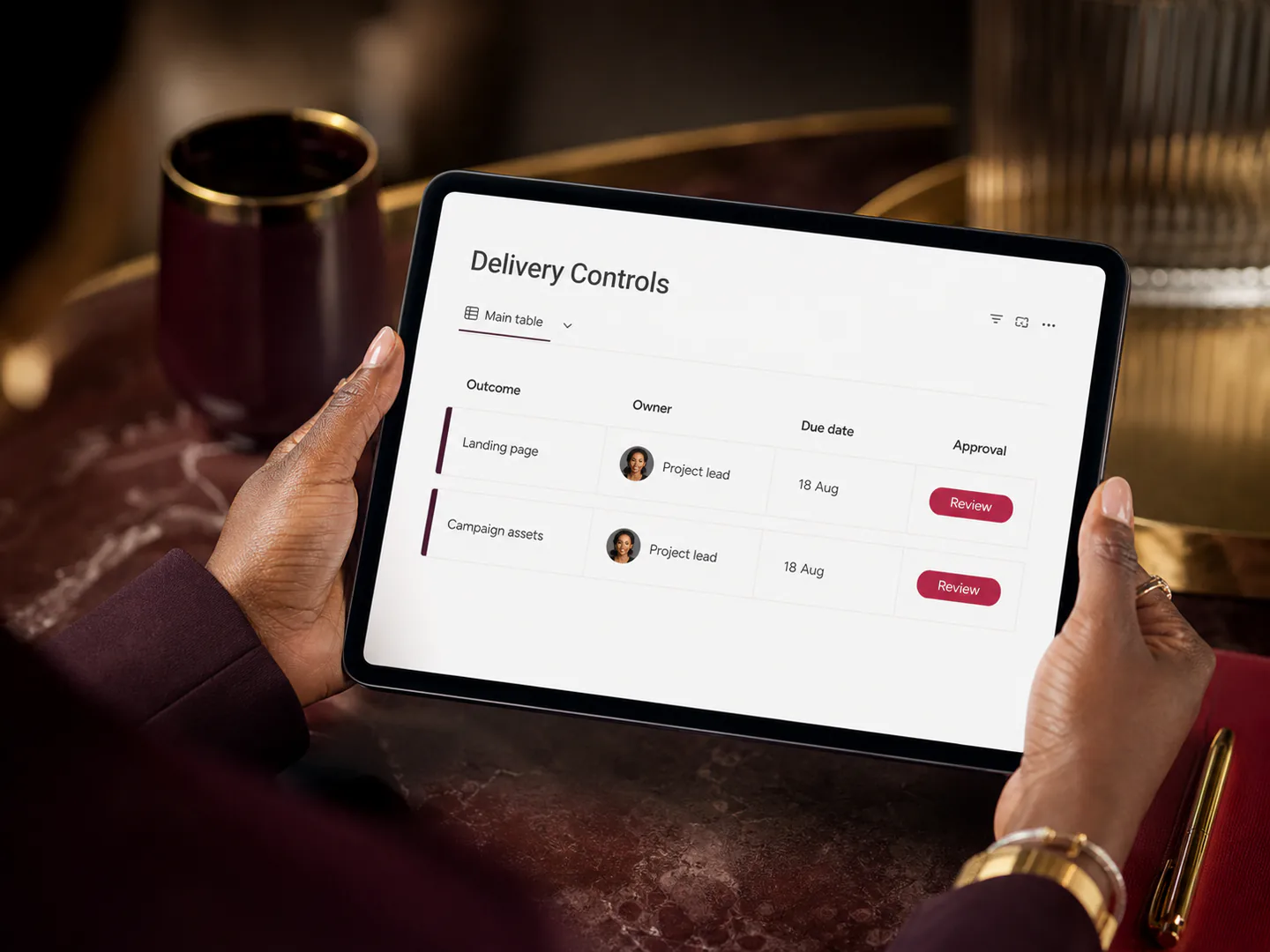
I would show the effect of each alternative on cost, edit readiness and the delivery date. A contingency is useful when someone can choose it with enough information, not simply when the words “backup plan” appear in a document.
I connect the camera plan to the edit
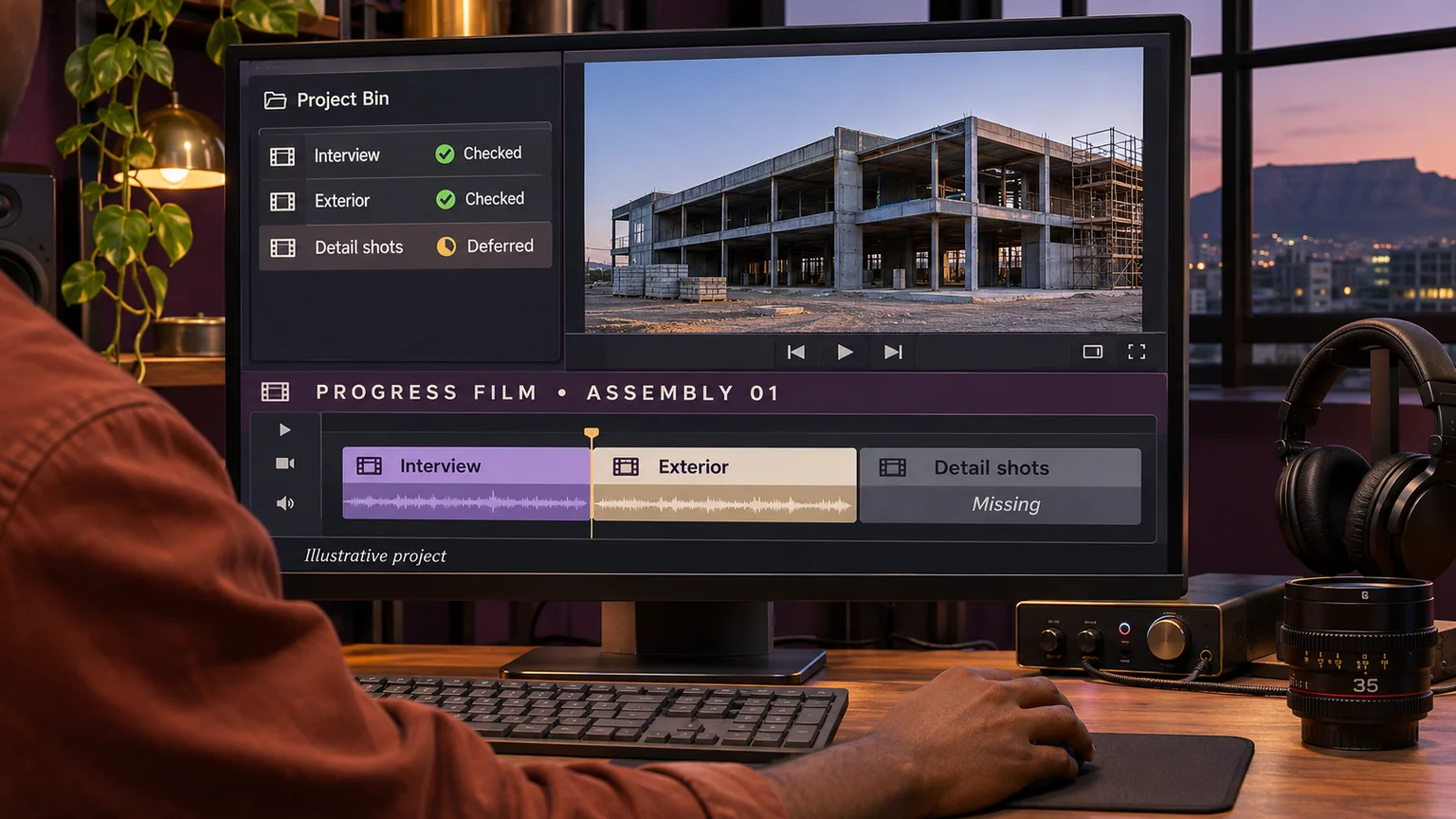
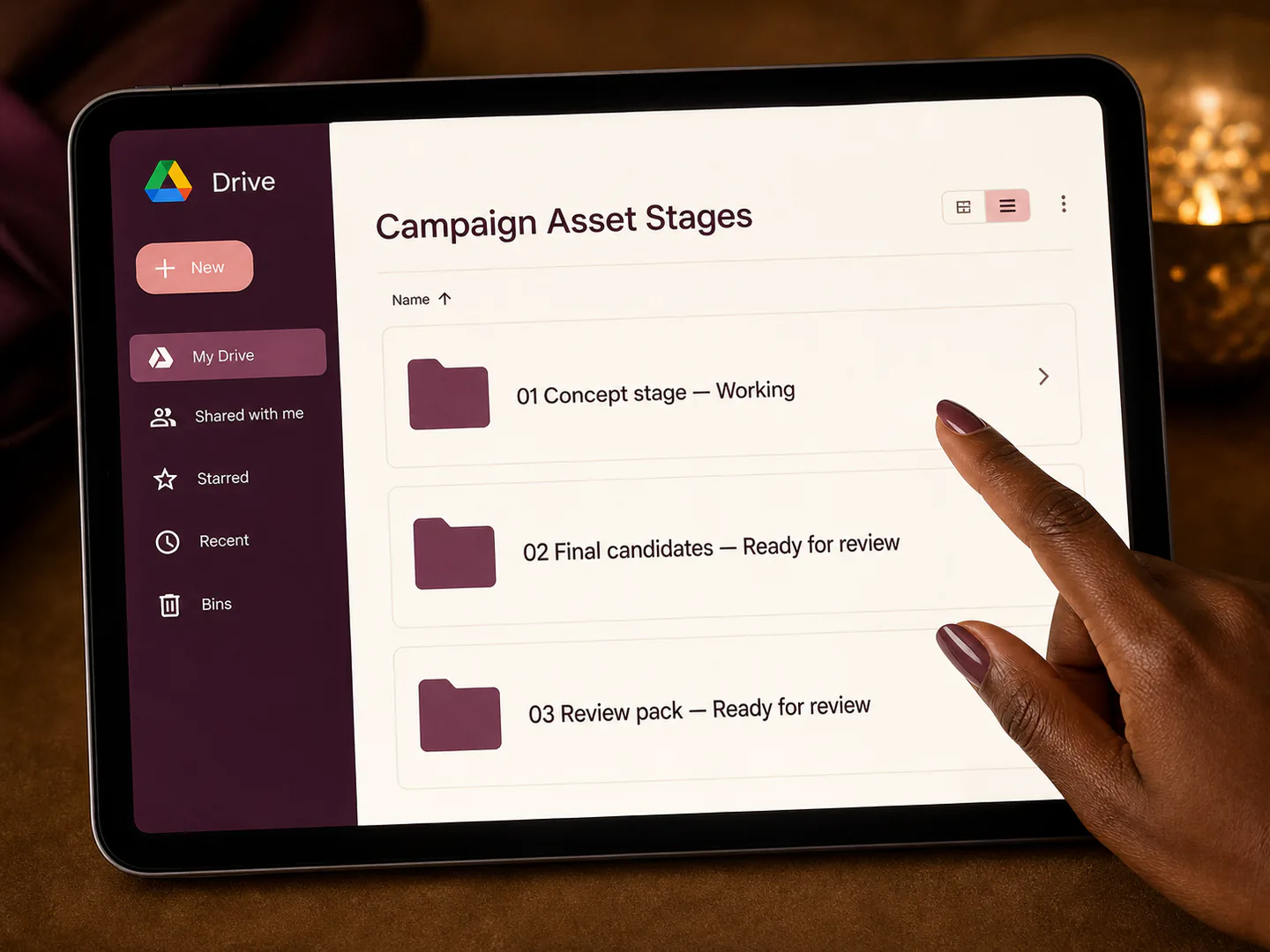
The editor needs more than a folder of attractive clips. I would map each required sequence to its purpose in the film and record any missing material after the visit. If the detail shots were not captured, the editing brief should say so explicitly.
My footage intake record would distinguish captured, checked and ready for editing. It would include the actual recording date, location label and any relevant usage restriction. Those fields prevent a later editor from mistaking a reference clip for current progress evidence.
I would also identify who reviews factual statements in the interview and who approves the final presentation. A technically polished edit does not establish that its description of the project is accurate. The review request needs a named version and a clear question for each reviewer.
I record changed conditions without disguising them
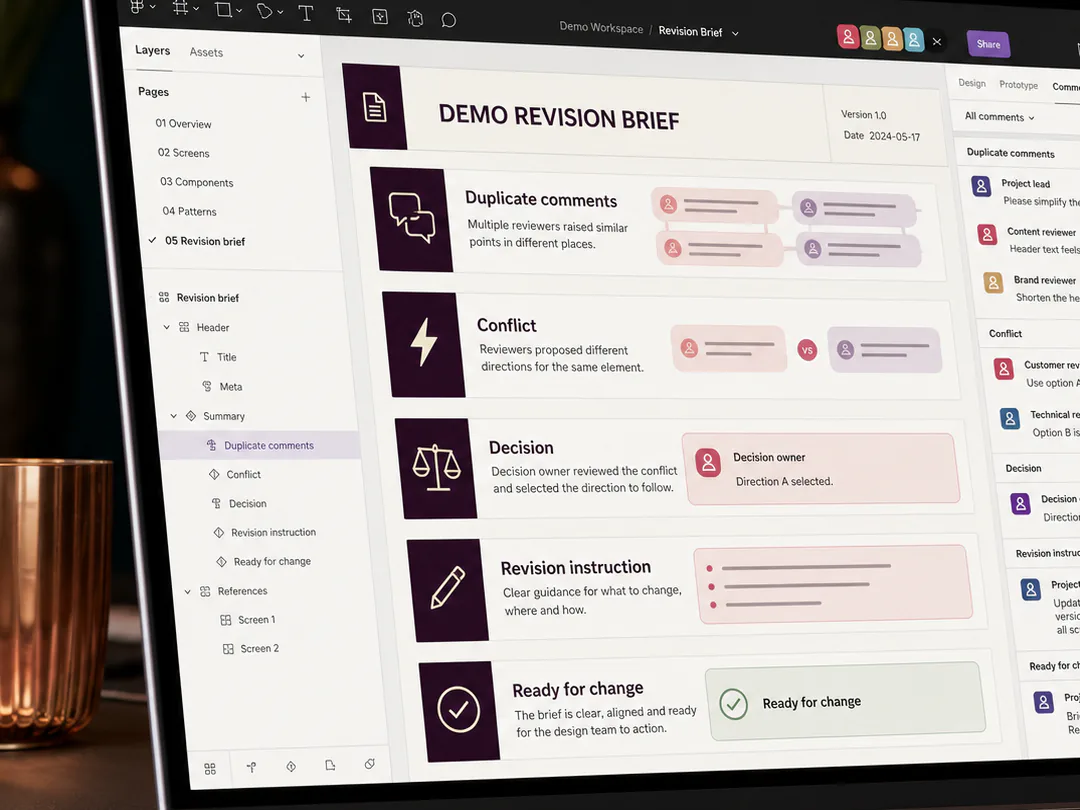
If the programme changes on the day, I would update the shot record rather than leave the original plan looking complete. The useful record says what was captured, what was deferred, why it changed and who owns the next action.
For example, a deferred exterior sequence might create a new dependency for the first edit. The production lead needs that information early enough to choose between a revised cut and a moved review date. Waiting until the promised edit is due turns a manageable change into a surprise.
My aim is a credible production plan that respects the location and produces material the editor can use. I judge its quality by the clarity of its dependencies and decisions, not by how confidently it predicts an unchanged day.
Research and example note
Prepared on 2 November 2026 for the 4 November publication slot. The project, shot packages and proposed sequence are fictional. The cited UK and New Zealand sources provide clearly identified planning context; local requirements, permissions and site-specific instructions must come from the relevant responsible parties. This article describes my proposed coordination approach, not specialist construction or safety advice.