Content Operations · 2026-03-02 · 6 min read
More output can shorten a production queue and still make the customer journey worse. I measure the pipeline by what reaches the audience accurately, consistently and at the right moment—not by asset volume alone.
Generative tools and template systems can increase the speed and volume of content production. Adobe reports substantial gains in content ideation and production across organisations using generative AI. That is an operational improvement, but it is not automatically a customer improvement.
A faster pipeline can still produce irrelevant messages, duplicated assets, inconsistent offers and rushed approvals. The customer experiences those failures as confusion, noise or a broken promise. Internal speed matters only when it protects or improves the external journey.
I therefore manage content operations around flow, meaning and accountability. The purpose is to move the right content through the right review to the right audience—not to keep the production engine busy.
Key takeaways
- Asset volume is not a customer outcome.
- A content pipeline should begin with demand and audience need, not production capacity.
- Reusable systems need guardrails for brand, facts, accessibility and channel fit.
- Approval speed improves when decision rights and review evidence are clear.
- The most useful metric connects delivery efficiency to customer understanding or action.
Section 01
I begin with the customer demand signal
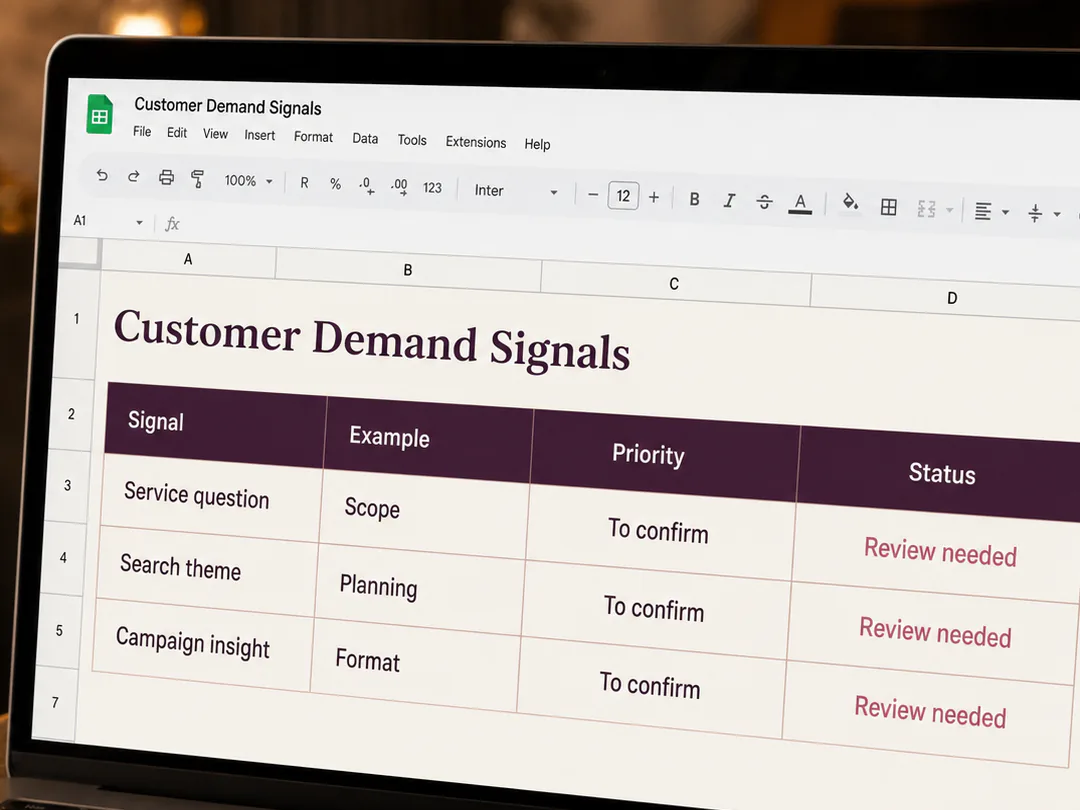
Before producing another asset, I ask what question, task, objection or decision the content must support. This demand may come from customer conversations, search behaviour, service teams, campaign performance or a known communication gap.
The pipeline should prioritise content that resolves a real need. Production capacity is valuable, but it should not create its own demand.
Section 02
One content source should support many outputs
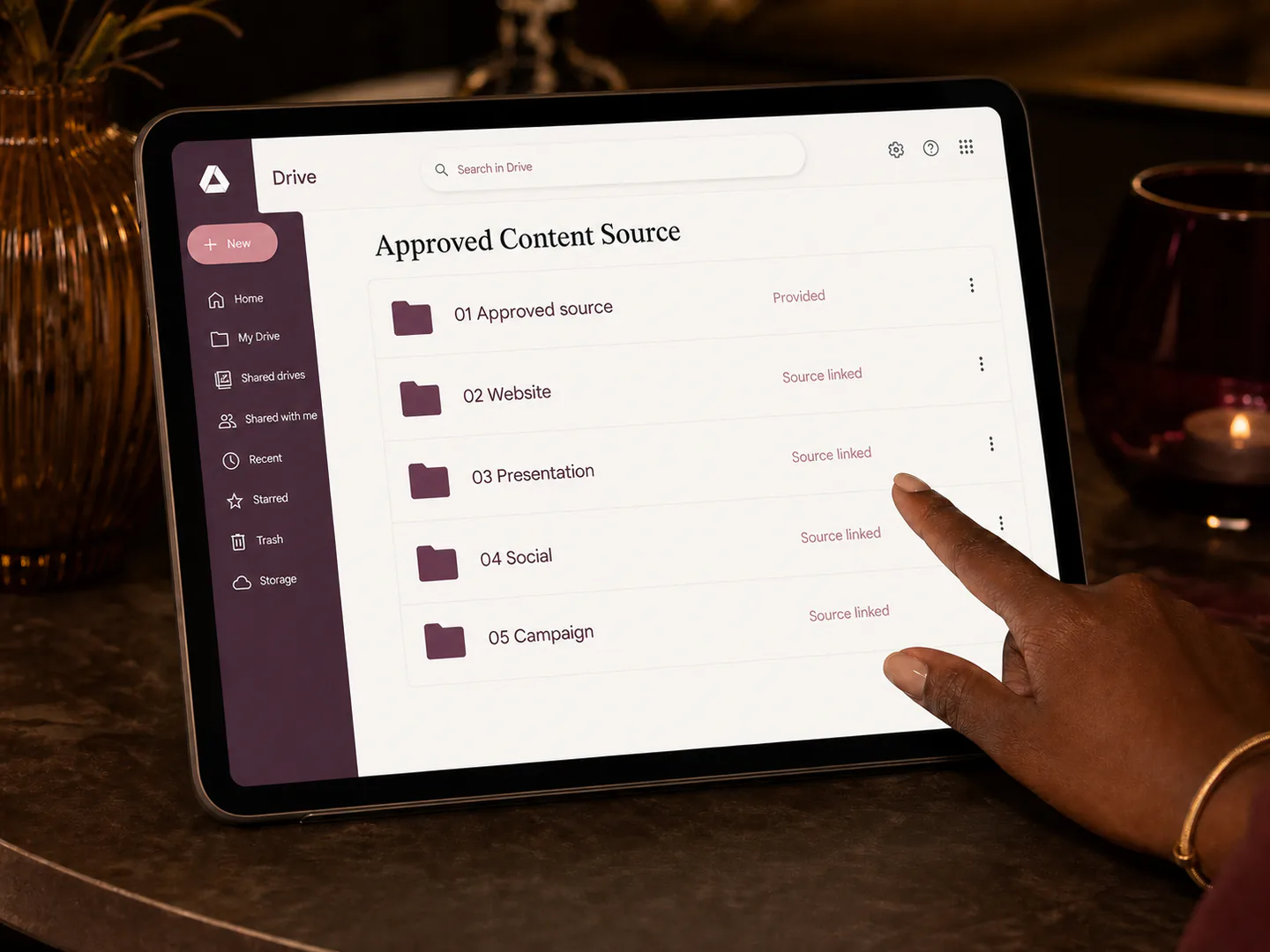
I organise approved messages, facts, product descriptions, audience insight and visual elements into a source that can support channel-specific adaptations. This reduces repeated research and inconsistent wording.
The source is not a rigid script. It is a governed foundation that lets creators adapt intelligently without reinventing the customer promise in every format.
Section 03
Templates need judgement around them
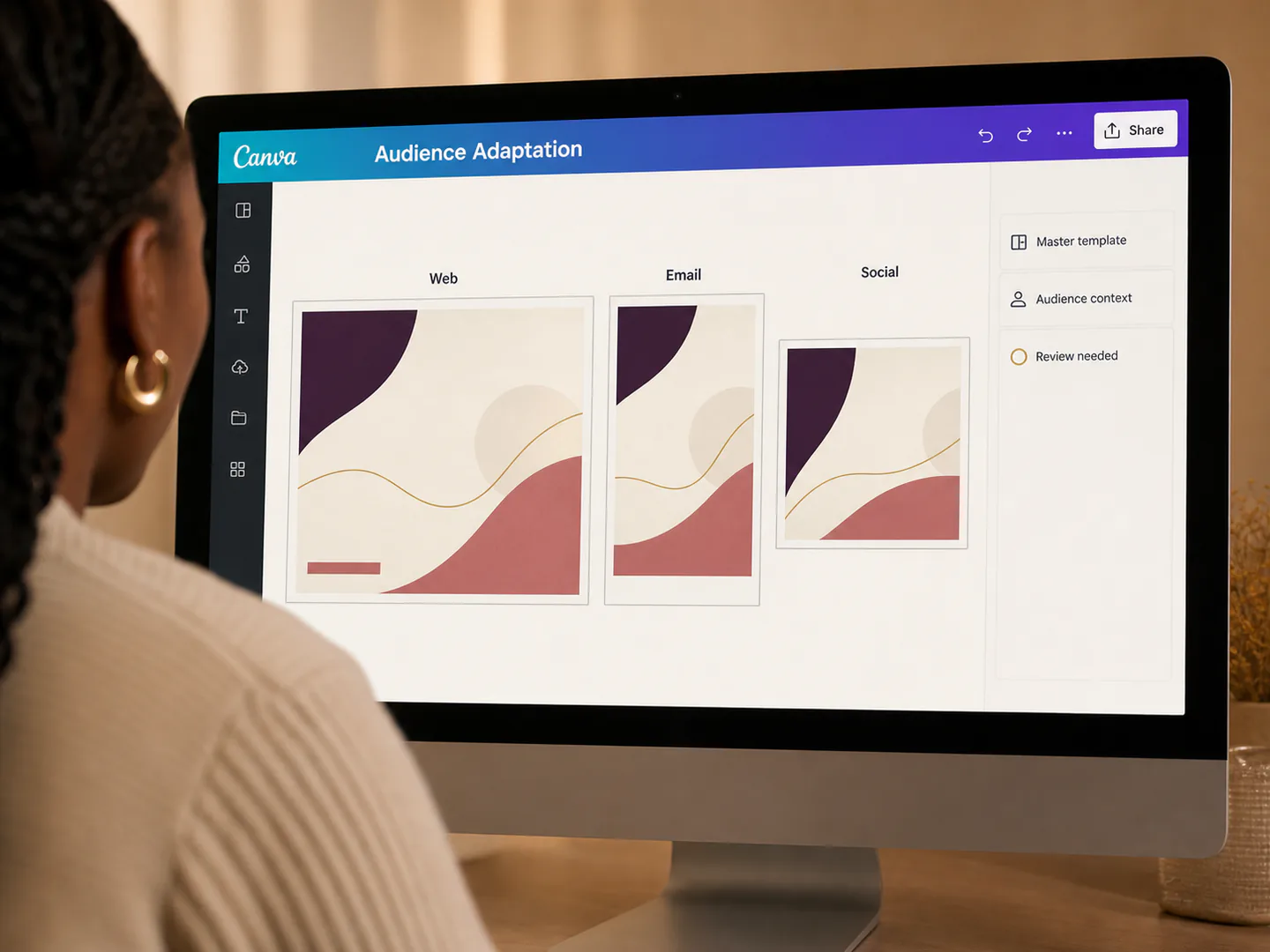
Templates can protect layout and speed, but they can also make every message feel interchangeable. I define where consistency is mandatory and where the content needs creative or cultural adaptation.
The customer should recognise the brand without feeling that the organisation is talking to everyone in exactly the same way.
Bring the moving parts into one delivery process.
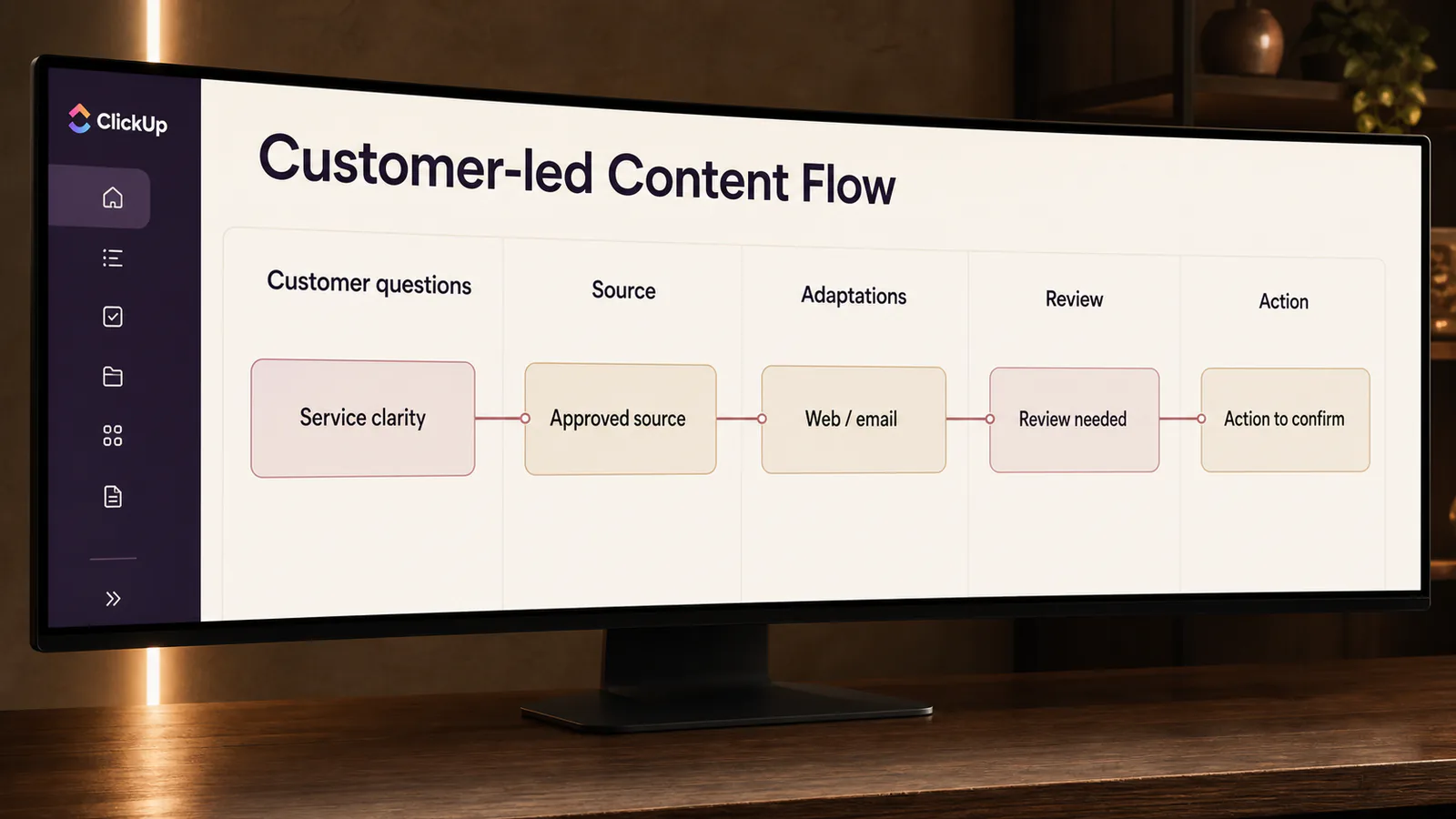
I can map a content pipeline from demand and brief through source control, production, risk-based review, channel adaptation, approval and measurement—then make the bottlenecks and owners visible.
Section 04
Review should follow risk, not habit
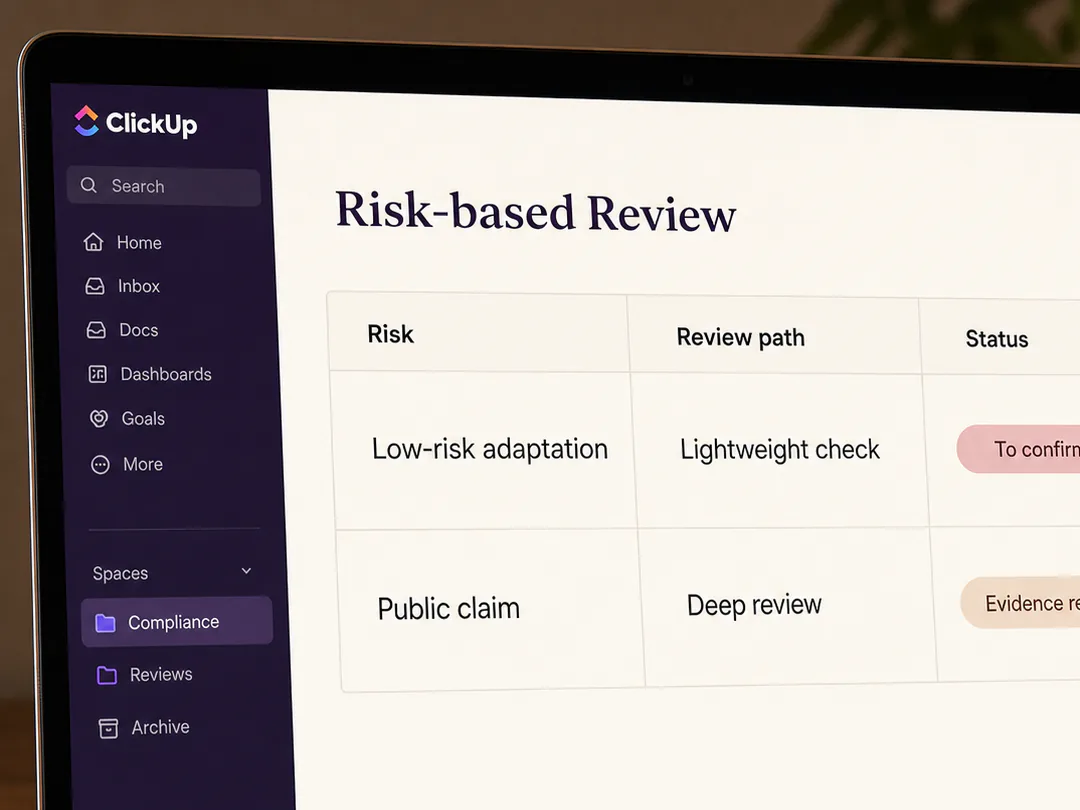
A routine size adaptation may need a light check. A new public claim, sensitive story or high-reach campaign needs deeper review. I match the review path to the risk, audience and consequence of error.
This prevents low-risk work from waiting unnecessarily while protecting the content that could materially affect trust or reputation.
Section 05
Channel speed must not break the message
Publishing teams often work at different rhythms. Social content can move daily, a website may update weekly and a presentation may be used for months. I maintain a current source of truth so those channels do not continue using expired messages or inconsistent facts.
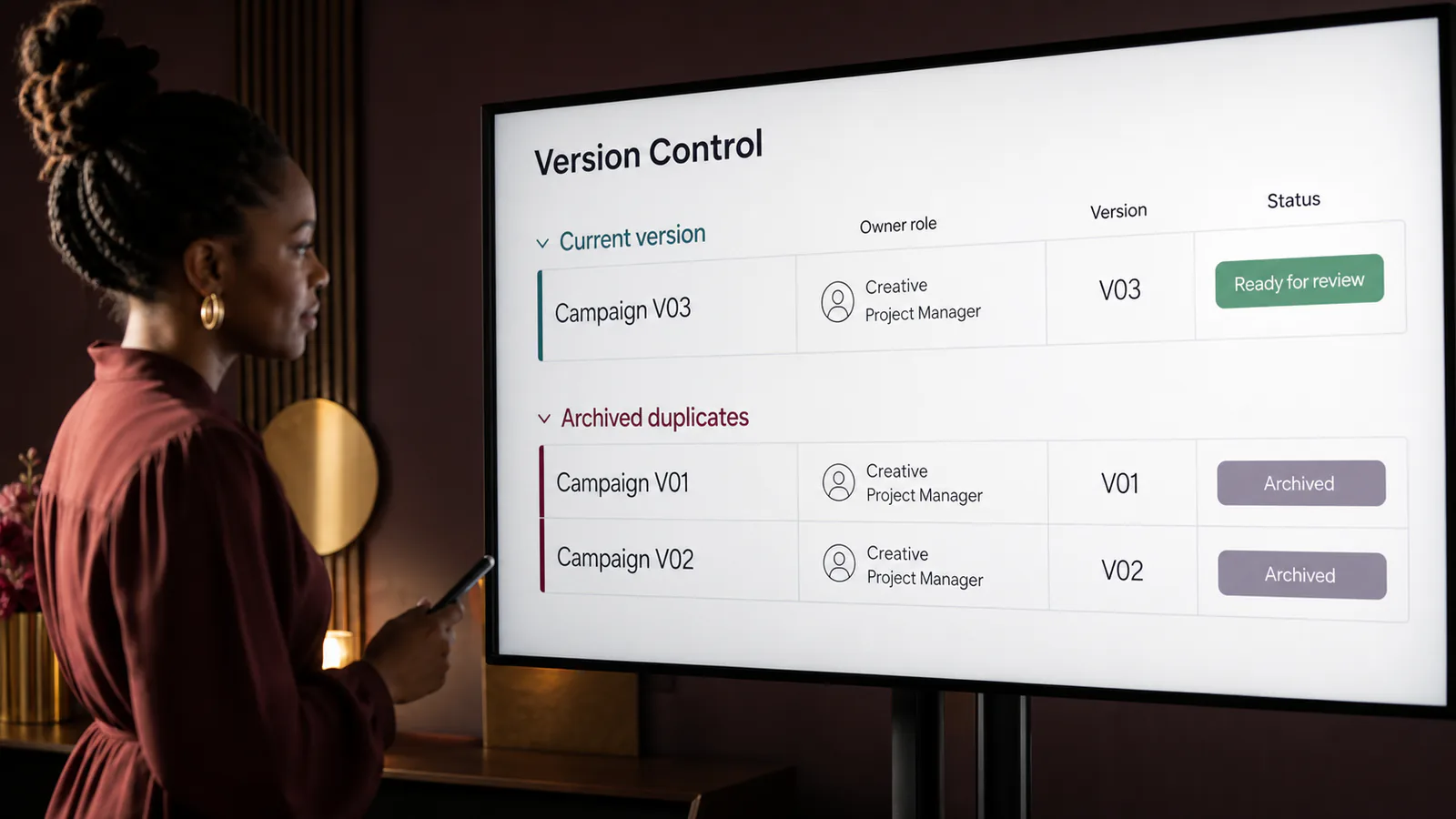
When a material change occurs, the project identifies which existing assets need correction, replacement or retirement.
Section 06
Quality assurance is part of throughput
Fact checks, spell checks, link tests, accessibility, rights, correct formats and final approval are not delays outside the pipeline. They are production stages. Removing them only moves the cost to the customer or to a later correction.
I design these checks into the schedule and assign clear owners so quality can move at a predictable pace.
Section 07
I measure useful movement
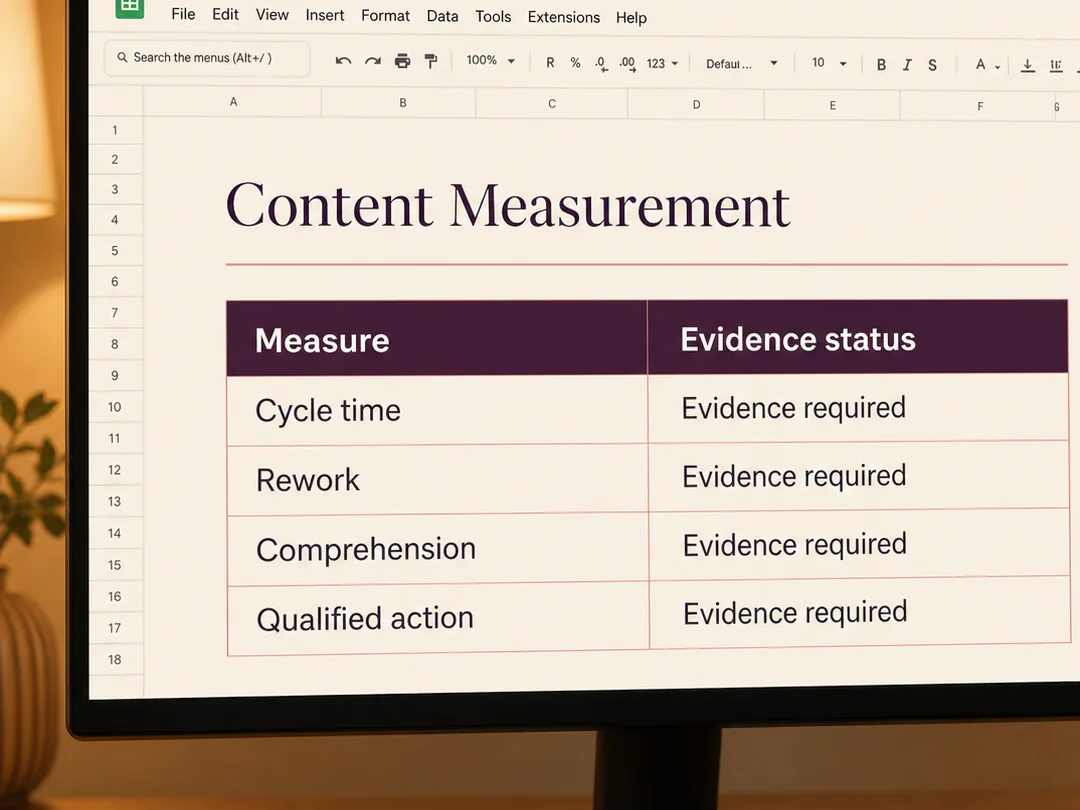
Operational measures include cycle time, waiting time, rework, approval delay and reuse. Customer measures include comprehension, task completion, qualified response, retention of the message and satisfaction with the experience.
The pipeline is improving when both sides move: the team delivers with less friction and the audience receives content that is easier to understand and act on.
Turn this insight into an organised next step.
Content speed is a capability, not a strategy. The customer does not reward an organisation for producing quickly; the customer responds when the right message arrives clearly, credibly and at a useful moment.
When a team is producing more but experiencing more rework, inconsistency or approval pressure, I can help redesign the workflow around customer value and dependable delivery.
Start with the short version: the outcome, intended audience, deadline, available assets, stakeholders and the delivery problem that is currently blocking progress.
Sources and related reading
- Adobe — 2026 AI and Digital Trends Report — Customers give promotional content only seconds to earn attention and still expect AI-assisted experiences to feel human and brand-aligned.
- Google Search Central — Creating Helpful, Reliable, People-First Content — Useful content should be created primarily for people; meaningful disclosure can explain substantial automation or AI assistance.