Creative Operations · 2026-01-26 · 6 min read
Creative projects rarely lose control in one dramatic moment. They drift through small unresolved decisions: an unclear owner, a missing asset, private feedback, an extra version and an approval that nobody formally records.
A project can appear active while quietly moving away from its intended outcome. Meetings continue, files multiply and contributors stay busy, yet the customer cannot say which version is current, who must decide or whether the work is ready to release.
I call this creative drift. It is not a failure of talent. It is a loss of operational visibility. The problem grows when creative work involves several stakeholders, multiple formats and subjective feedback, because every unresolved decision creates another direction the team may follow.
I reduce drift by keeping ownership, dependencies, review, approval and handover visible from the beginning.
Key takeaways
- Creative drift begins with unresolved decisions, not with a visibly missed deadline.
- Every deliverable needs one accountable owner even when several people contribute.
- Feedback must be consolidated, dated and tied to the current version.
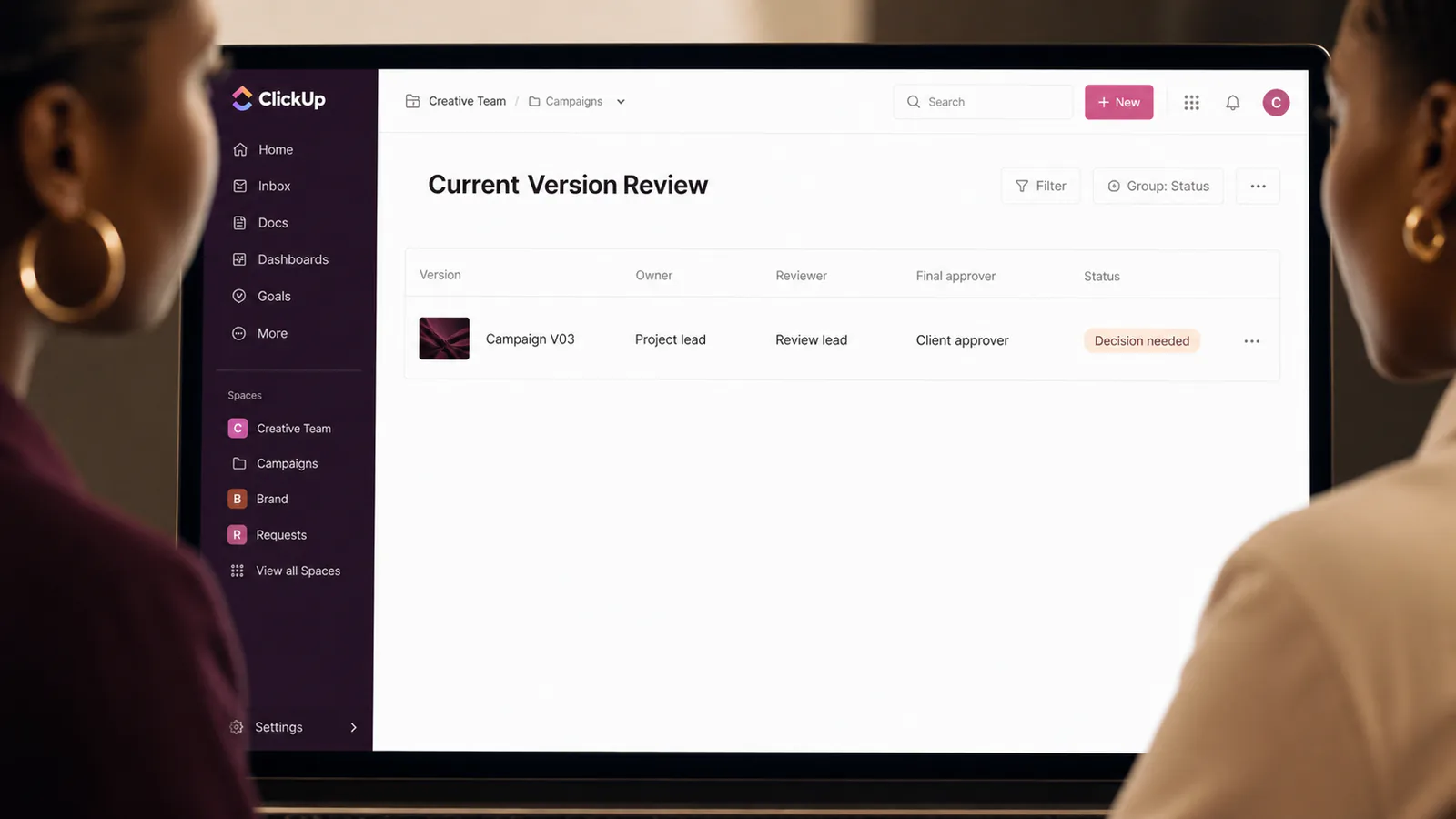
- Approval is a recorded decision, not an assumption created by silence.
- A clean handover is planned throughout the project rather than assembled at the end.
Section 01
Drift begins when the outcome becomes negotiable
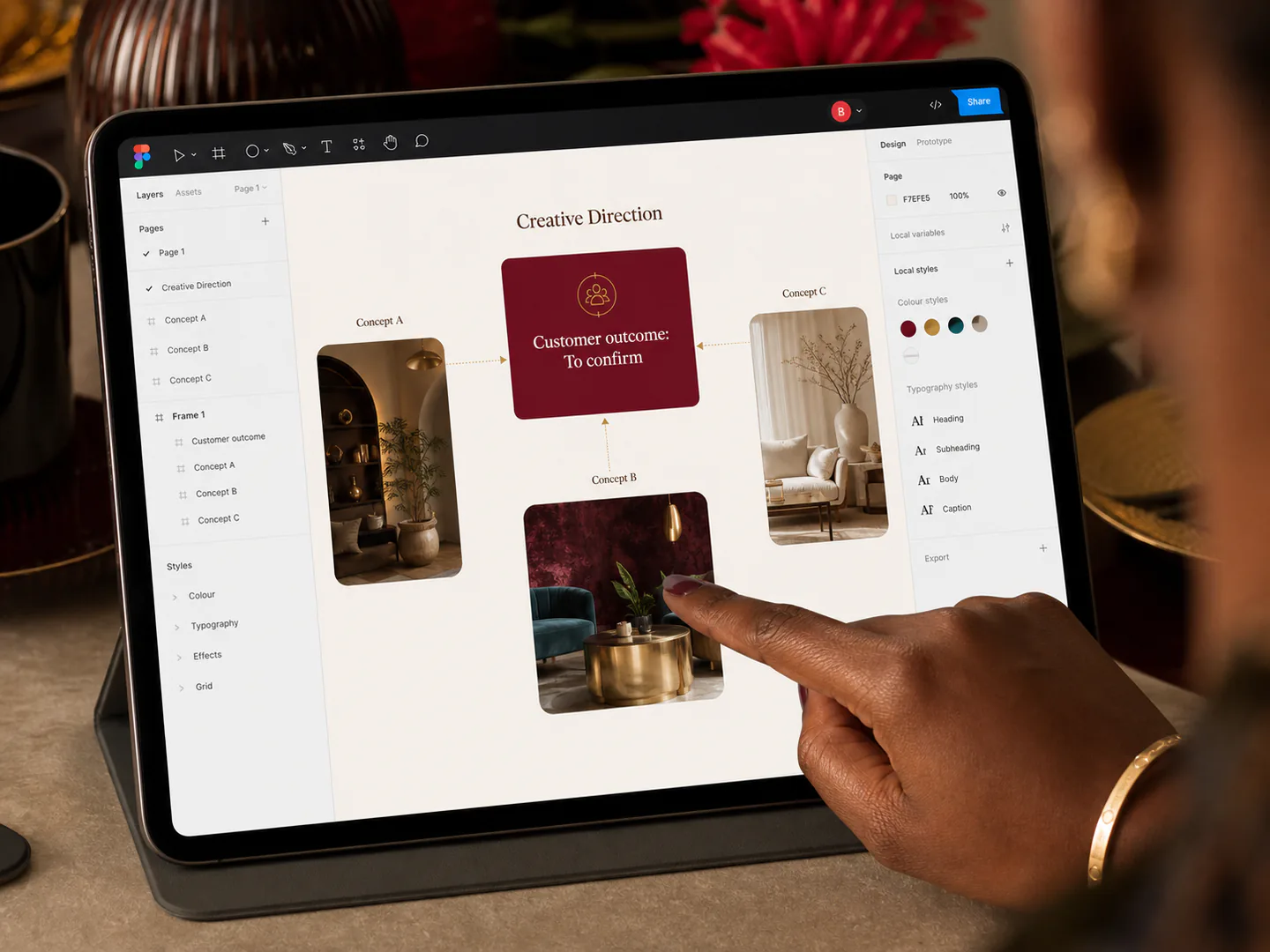
If the team cannot repeat the customer outcome in one clear sentence, every new idea can appear equally valid. I keep the outcome, audience and acceptance criteria visible so creative exploration has a stable centre.
This does not prevent the brief from changing. It means a change is named, assessed and approved rather than entering through an informal comment.
Section 02
Shared work still needs one owner
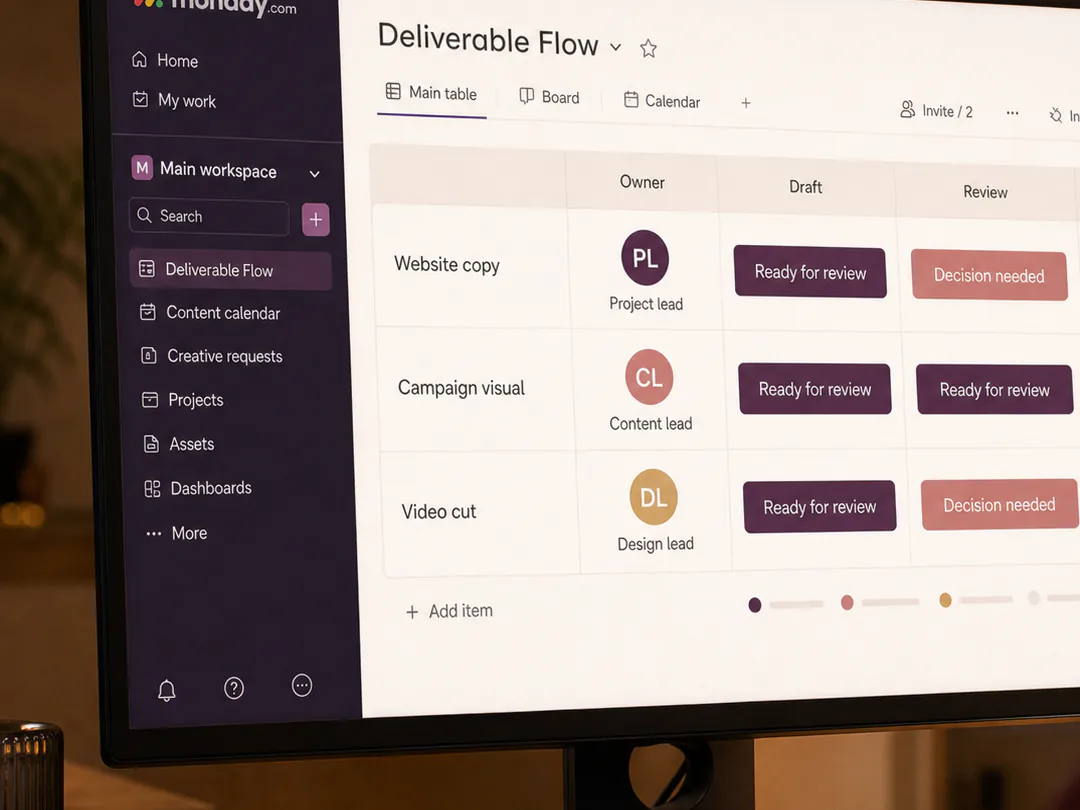
Several contributors may shape an asset, but one person must be accountable for moving it to the next state. Without an owner, people assume someone else is collecting feedback, checking source material or preparing the final version.
I assign ownership at deliverable and decision level. The owner does not need to do every task; they need to know the current state, the next action and the condition for completion.
Section 03
Hidden dependencies create false progress
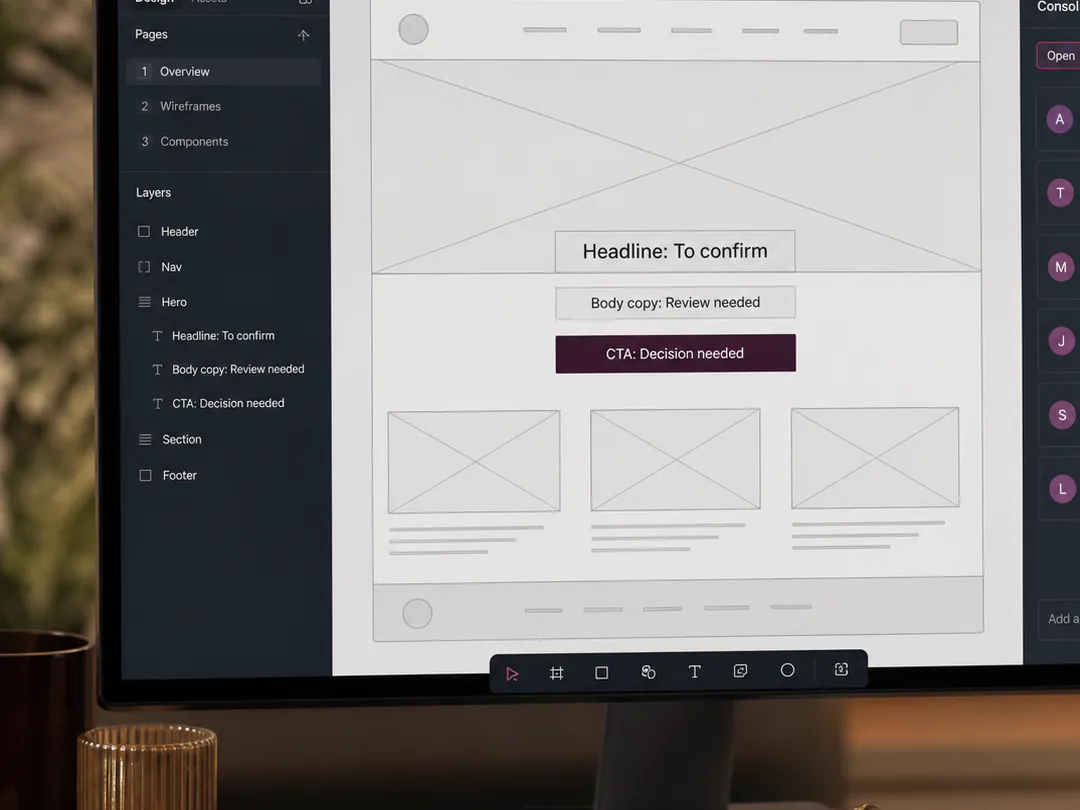
A design may be nearly complete but still depend on unapproved copy. A video may be edited but lack licensed music or captions. A website page may look ready while the call-to-action destination remains undecided.
I record these dependencies beside the deliverable, not in separate conversations. Progress reporting should show what is complete, what is conditional and what is blocked.

Bring the moving parts into one delivery process.
I can stabilise a drifting creative project by rebuilding the outcome, responsibility map, deliverable register, feedback route, approval record and handover plan without adding unnecessary administration.
Section 04
Feedback needs one route into the work
Comments arriving through meetings, messaging apps, email and private calls cannot be controlled by version naming alone. I consolidate feedback, identify the source, clarify conflicts and confirm which comments are instructions versus suggestions.
The team then works from one review record. That makes changes traceable and prevents a contributor from unknowingly reversing a decision made elsewhere.
Section 05
Approval must be explicit and version-specific
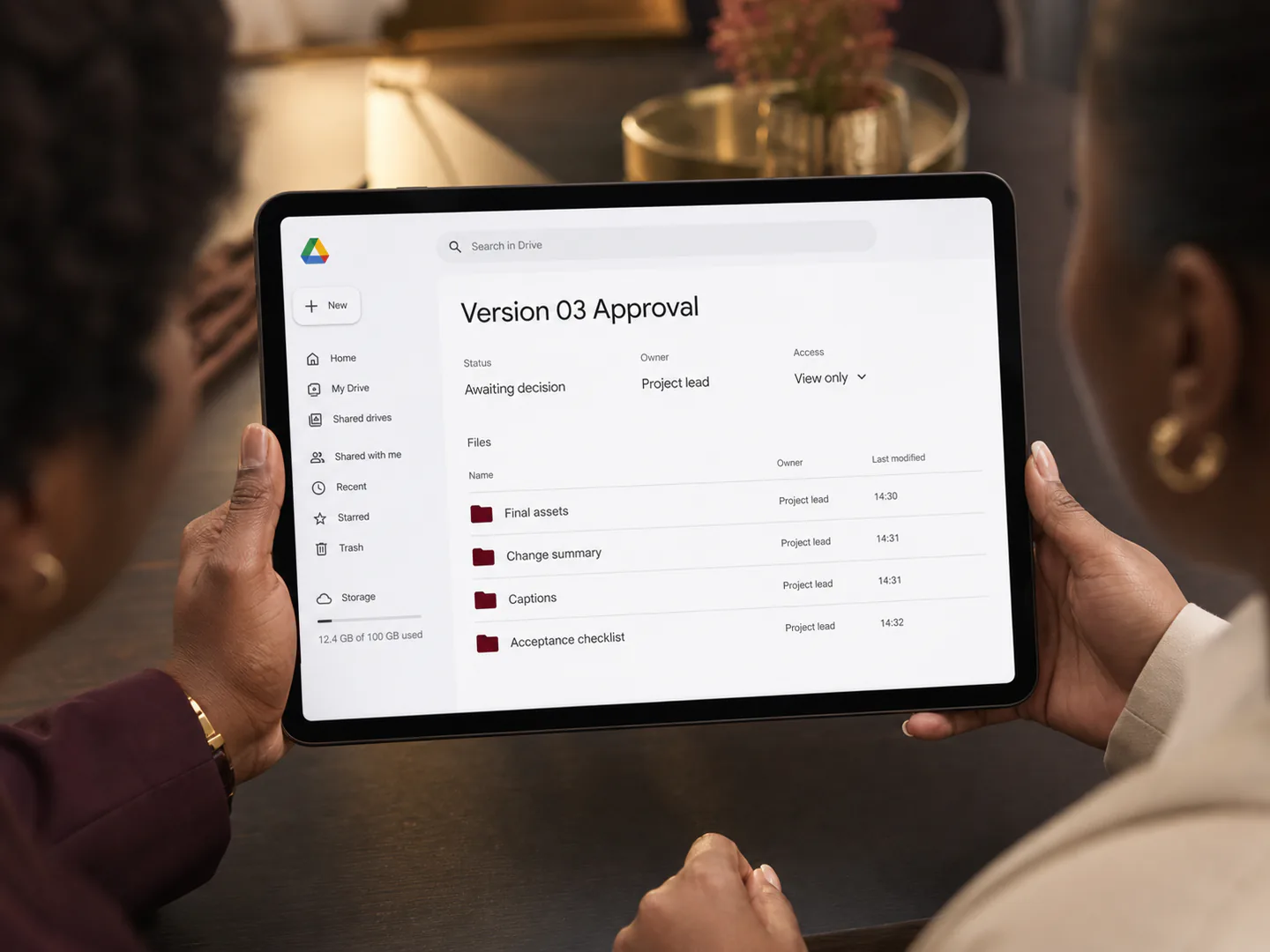
“Looks good” is not enough when several files or variants exist. I record which version is approved, who approved it, when the decision was made and whether any conditions remain.
This protects the customer and the team. It prevents an exploratory draft from reaching the public and creates a fair boundary between final correction and new scope.
Section 06
Scope changes should be visible, not resisted in silence
Creative projects often discover better ideas or new requirements. The correct response is not to forbid change. It is to show the effect on timing, cost, dependencies, review and existing work.
I separate the original commitment from the proposed change so the customer can make an informed decision rather than receiving a surprise at the deadline.
Section 07
Handover discipline starts with the first file
File naming, folder structure, version control, source ownership and approval records should develop with the project. Reconstructing them at the end is slow and unreliable.
A clean handover gives the customer approved masters, required source material, usage information, outstanding actions and enough context for the work to remain useful.
Turn this insight into an organised next step.
Creative drift is expensive because the cost appears as repeated effort, delayed decisions and weakened confidence rather than one obvious failure. Visibility is the practical remedy.
When stakeholders are working from different assumptions or versions, I can help establish one delivery view and move the project towards a controlled review, approval and handover.
Start with the short version: the outcome, intended audience, deadline, available assets, stakeholders and the delivery problem that is currently blocking progress.
Sources and related reading
- PMI — Step Up: Redefining the Path to Project Success with M.O.R.E. (December 2025) — Project success increasingly depends on ownership, perception management, reassessment and a wider view of value.