Multimedia Strategy · 2026-01-19 · 6 min read
When tools can produce more options in less time, the creative advantage moves towards judgement: choosing the right story, shaping it for the audience and taking responsibility for what is released.
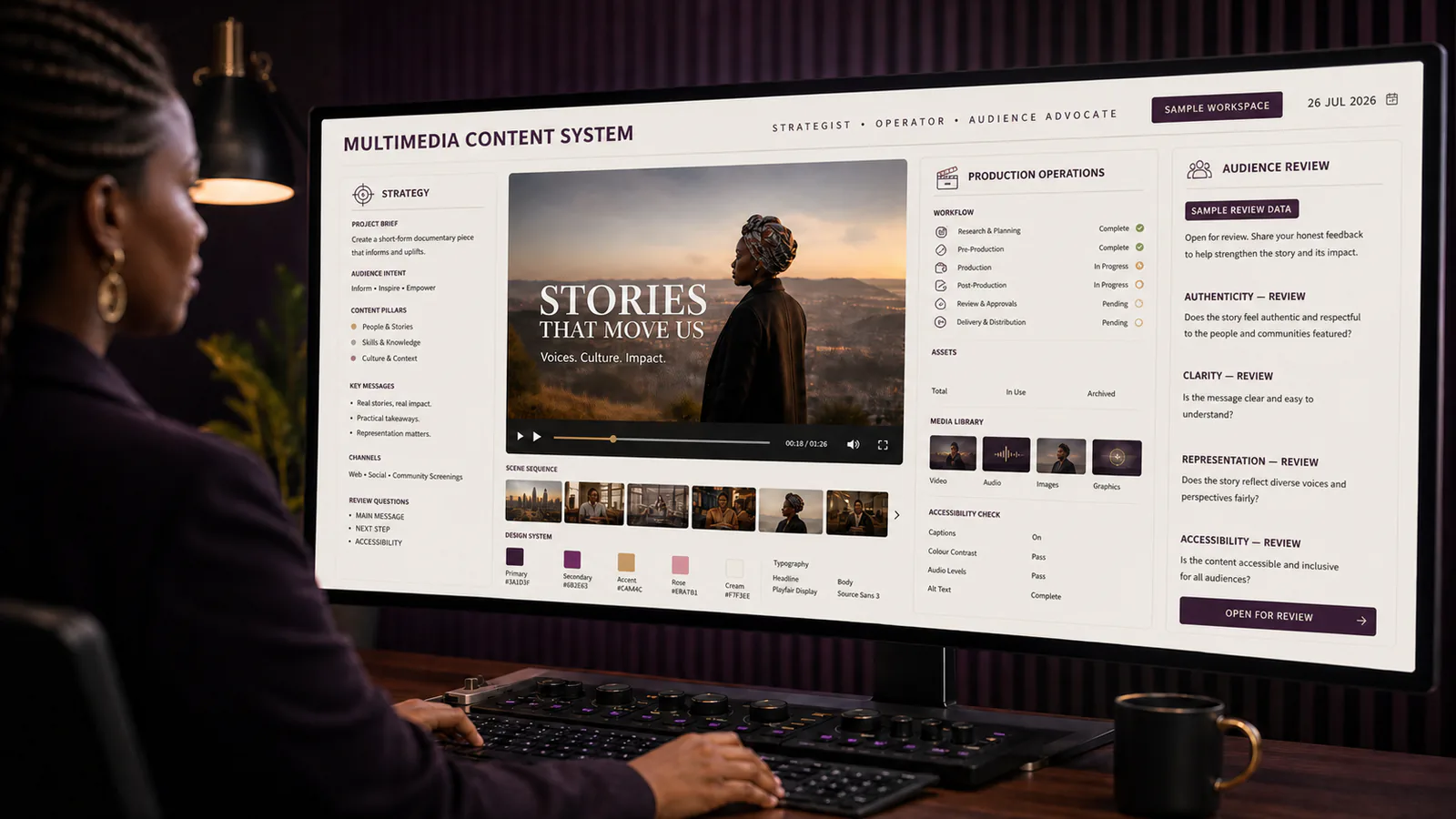
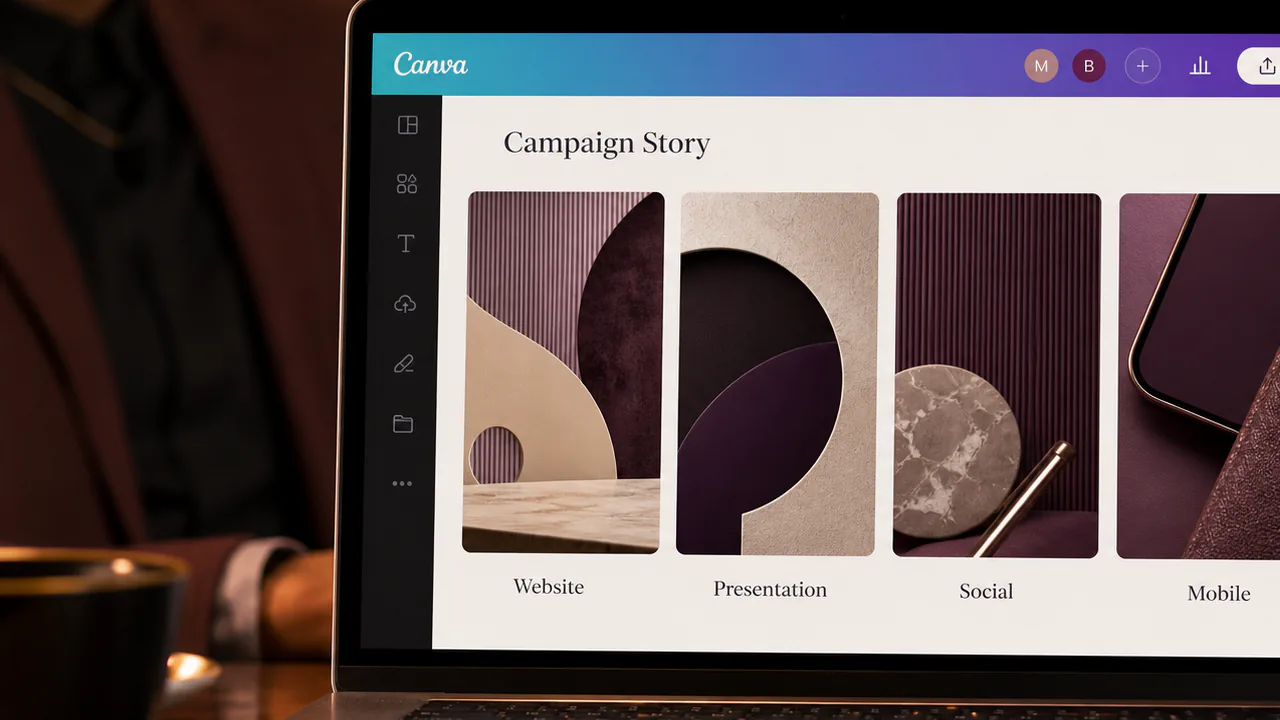
The multimedia content creative of 2026 works inside a very different production environment from the one many organisations still imagine. Text, images, audio, presentations, websites and short-form video can be drafted and adapted faster, while audiences encounter the same brand across more channels and in more contexts.
That speed does not remove the need for creative professionals. It raises the value of audience understanding, taste, ethical judgement, cultural awareness, quality control and coherent delivery. Adobe’s 2026 creative forecast places authenticity, emotional connection, sensory impact and local relevance alongside technological experimentation.
My definition of multimedia content creative is therefore broad. I help connect the idea, audience, platform, brand, assets, review process and final presentation rather than reducing the role to one editing function or one software tool.
Key takeaways
- The 2026 creator plans one communication idea across several formats and customer moments.
- AI increases option volume; human judgement determines meaning, suitability and release quality.
- Authenticity and cultural relevance cannot be added as a final visual treatment.
- Asset organisation, versions, rights and approvals are part of creative professionalism.
- A strong creator understands both the story and the workflow needed to deliver it.
Section 01
The role starts before the asset exists
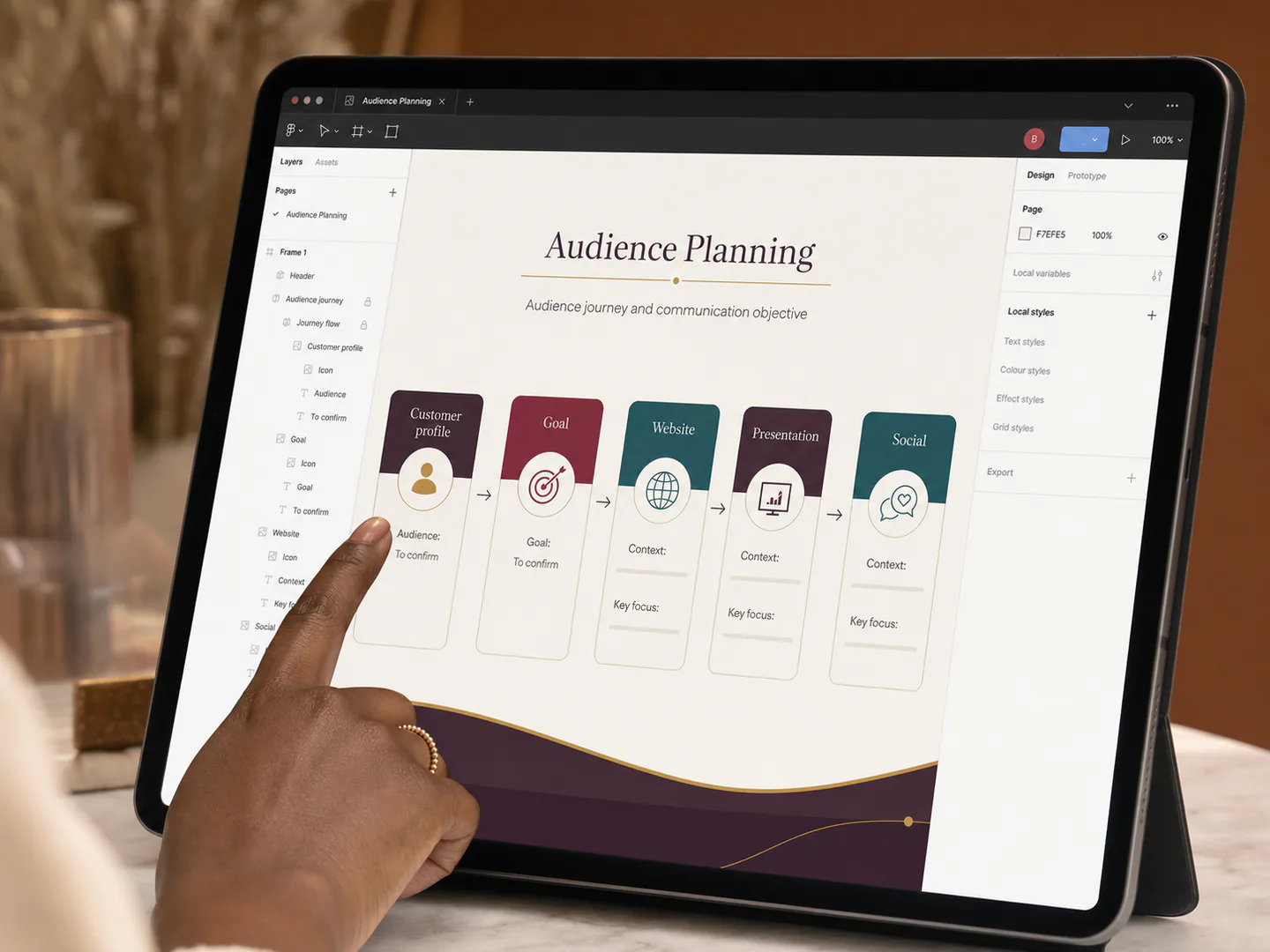
I begin with the communication objective, audience context and platform behaviour. A website hero, a presentation opening and a social post may share one idea, but they do not ask the audience for attention in the same way.
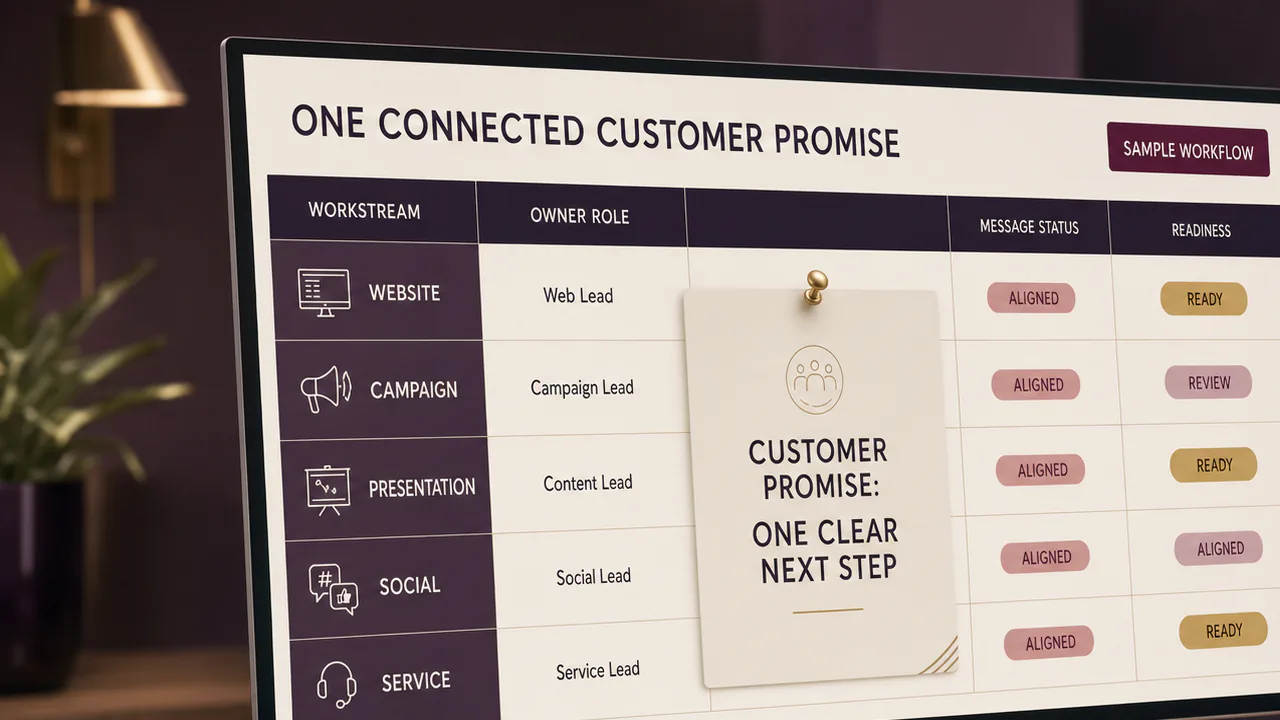
Planning the content system first helps the organisation avoid creating isolated assets that look attractive but contradict one another or fail to guide the customer towards a useful next step.
Section 02
One idea must survive several formats
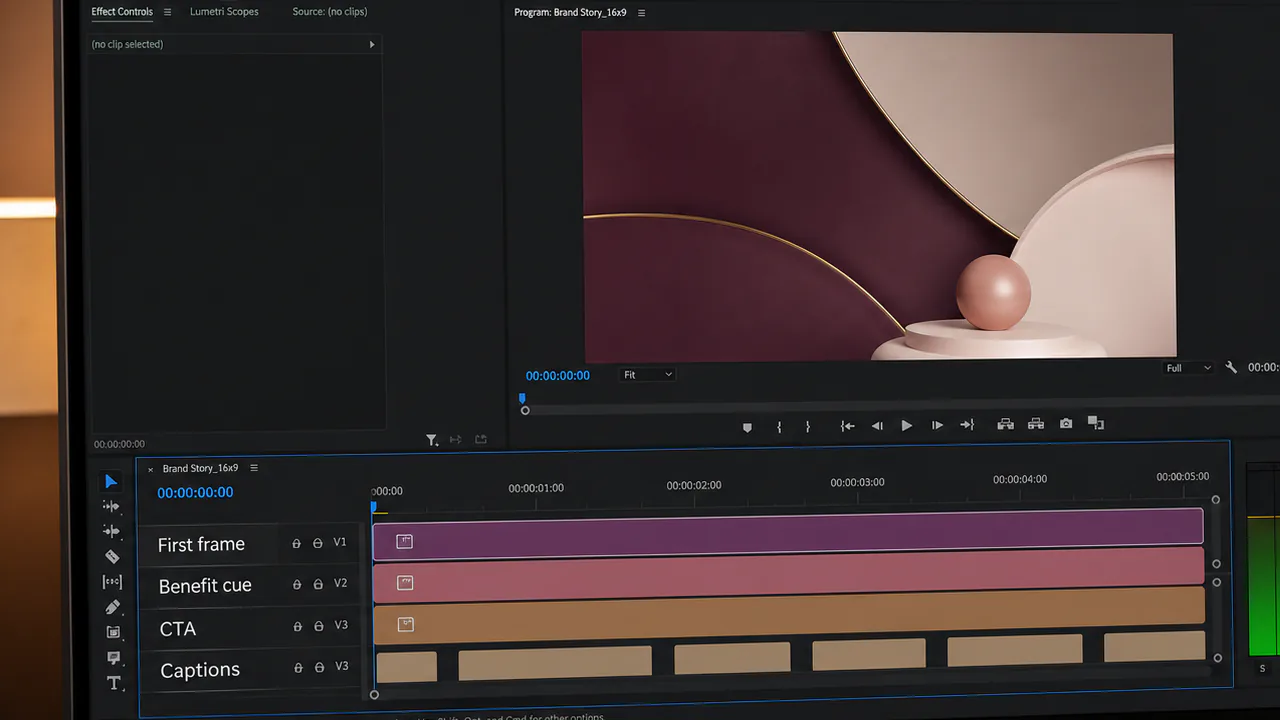
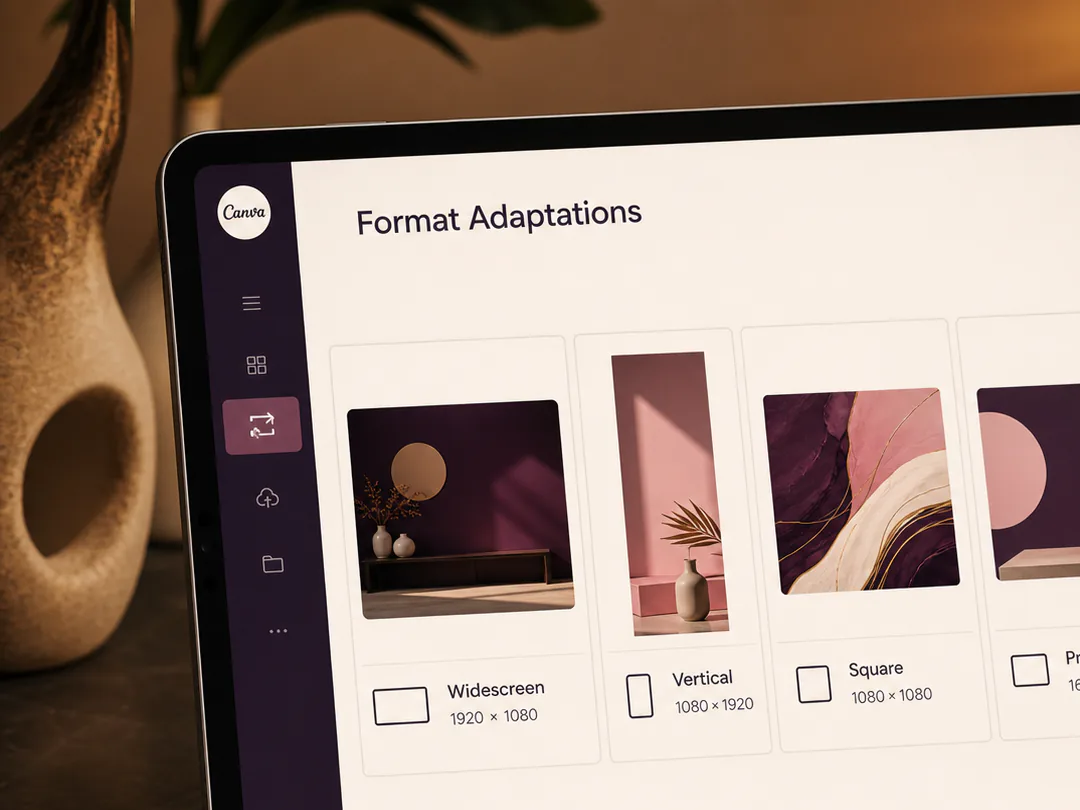
Multimedia work requires adaptation rather than simple resizing. A long explanation may become a visual sequence, a concise caption, a speaker note, a short clip or a call-to-action block. Each format must preserve the core meaning while respecting its own pacing and accessibility needs.
I organise the message hierarchy so that the audience can recognise the same promise across channels without receiving identical content everywhere.
Section 03
Taste becomes more valuable when options multiply
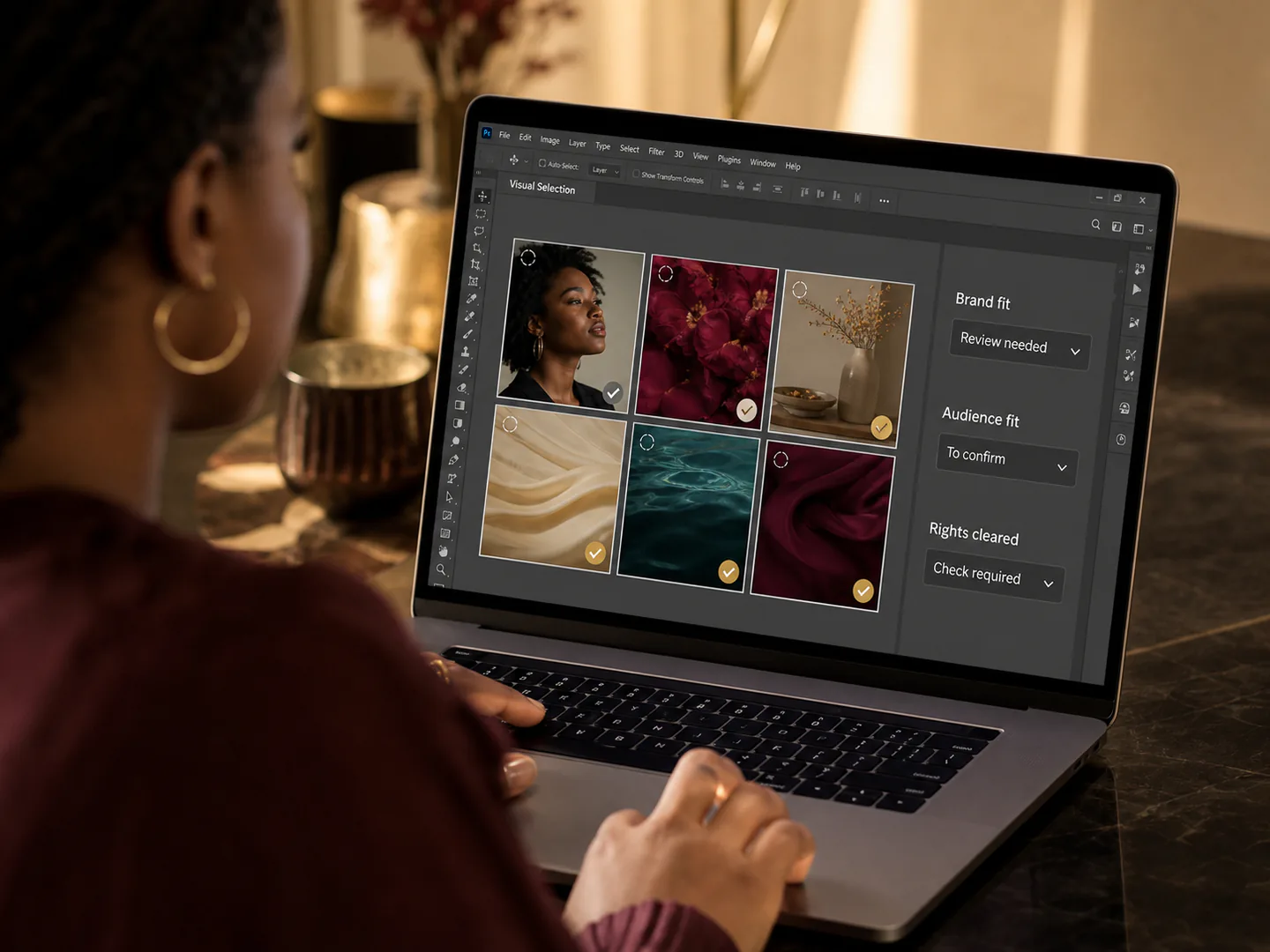
Generative tools can create many variations, but more options can slow a project when there is no clear selection standard. I use the brief, audience, brand and intended response to decide which direction deserves refinement.
Taste is not merely personal preference. It is the ability to recognise relevance, emotional tone, visual balance, narrative pacing and cultural fit, then explain those choices in a way stakeholders can review.
Bring the moving parts into one delivery process.
I can help shape a multimedia requirement into an audience-centred content plan, coordinate the asset workflow, support creative development and prepare an organised, quality-controlled handover across platforms.
Section 04
Authenticity must be built into the process
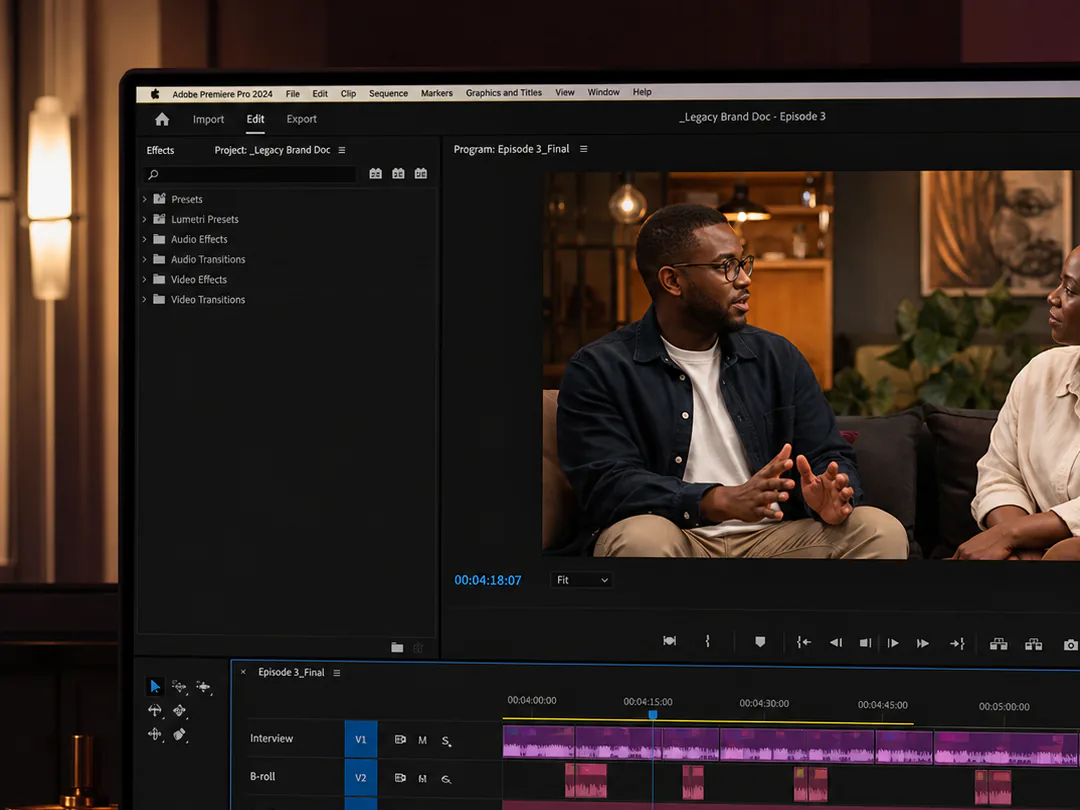
Customers notice when content uses people, places or language as decoration rather than lived context. Local relevance depends on credible casting, accurate detail, respectful language and a real understanding of the audience.
I would rather use fewer, better-observed details than fill a campaign with generic visual signals. Authenticity should survive the copy, imagery, sound, platform adaptation and approval process.
Section 05
AI-assisted does not mean unowned
When AI supports research, ideation, structure or visual exploration, I still check the sources, originality, bias, rights, tone and factual claims. The final output must have a named human owner who can explain why it is suitable for release.
The organisation also needs a practical record of which assets are approved, which are exploratory and where disclosure or provenance information may be appropriate.
Section 06
Creative quality includes operations
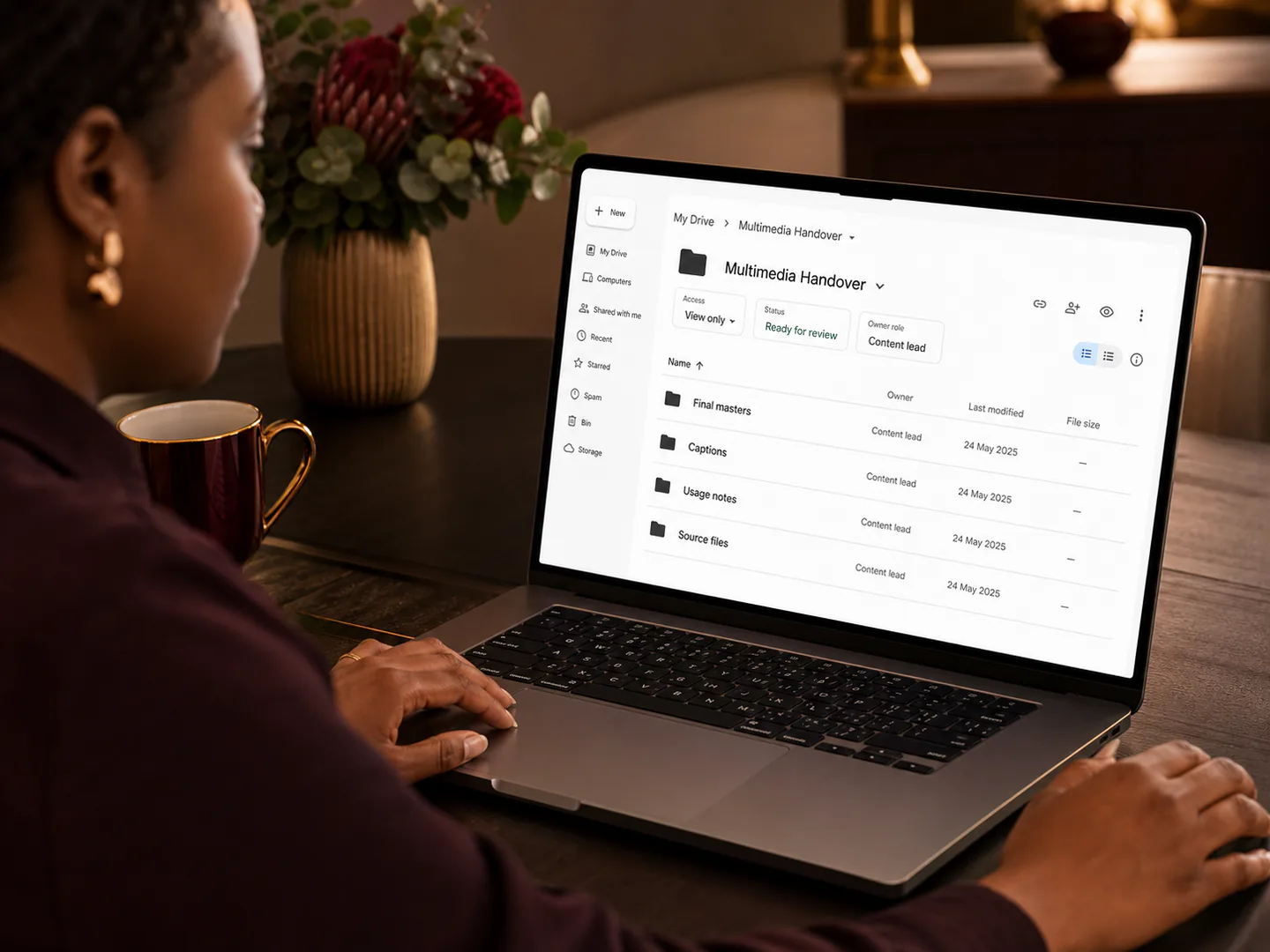
A strong asset can still fail if the wrong version is published, captions are missing, rights are unclear or the final files cannot be reused. I organise working files, feedback, approvals and handover material as part of the creative process.
This is where my project-management capability strengthens my multimedia work: the content remains connected to responsibilities, deadlines and delivery readiness.
Section 07
The customer receives a content capability, not a pile of files
I aim to leave the customer with a coherent set of assets, a clear purpose for each one and enough organisation to activate or adapt the work confidently. The handover should explain formats, versions, usage, approvals and any outstanding limitations.
That is what makes multimedia content useful beyond the moment it is created.
Turn this insight into an organised next step.
The multimedia content creative of 2026 is not defined by producing the greatest quantity. The role is defined by making appropriate choices across story, format, culture, brand, technology and customer experience.
When an organisation has ideas and assets but no coherent content system, I can help organise the message, workflow, reviews and final presentation so the work feels connected wherever the audience encounters it.
Start with the short version: the outcome, intended audience, deadline, available assets, stakeholders and the delivery problem that is currently blocking progress.
Sources and related reading
- Adobe — 2026 Creative Trends Forecast — The forecast emphasises emotional connection, multisensory work, experimentation, authenticity and local cultural relevance.
- World Economic Forum — The Future of Jobs Report 2025 — AI literacy is rising, while creative thinking, resilience, leadership and technological literacy remain important.
- Google Search Central — Creating Helpful, Reliable, People-First Content — Useful content should be created primarily for people; meaningful disclosure can explain substantial automation or AI assistance.