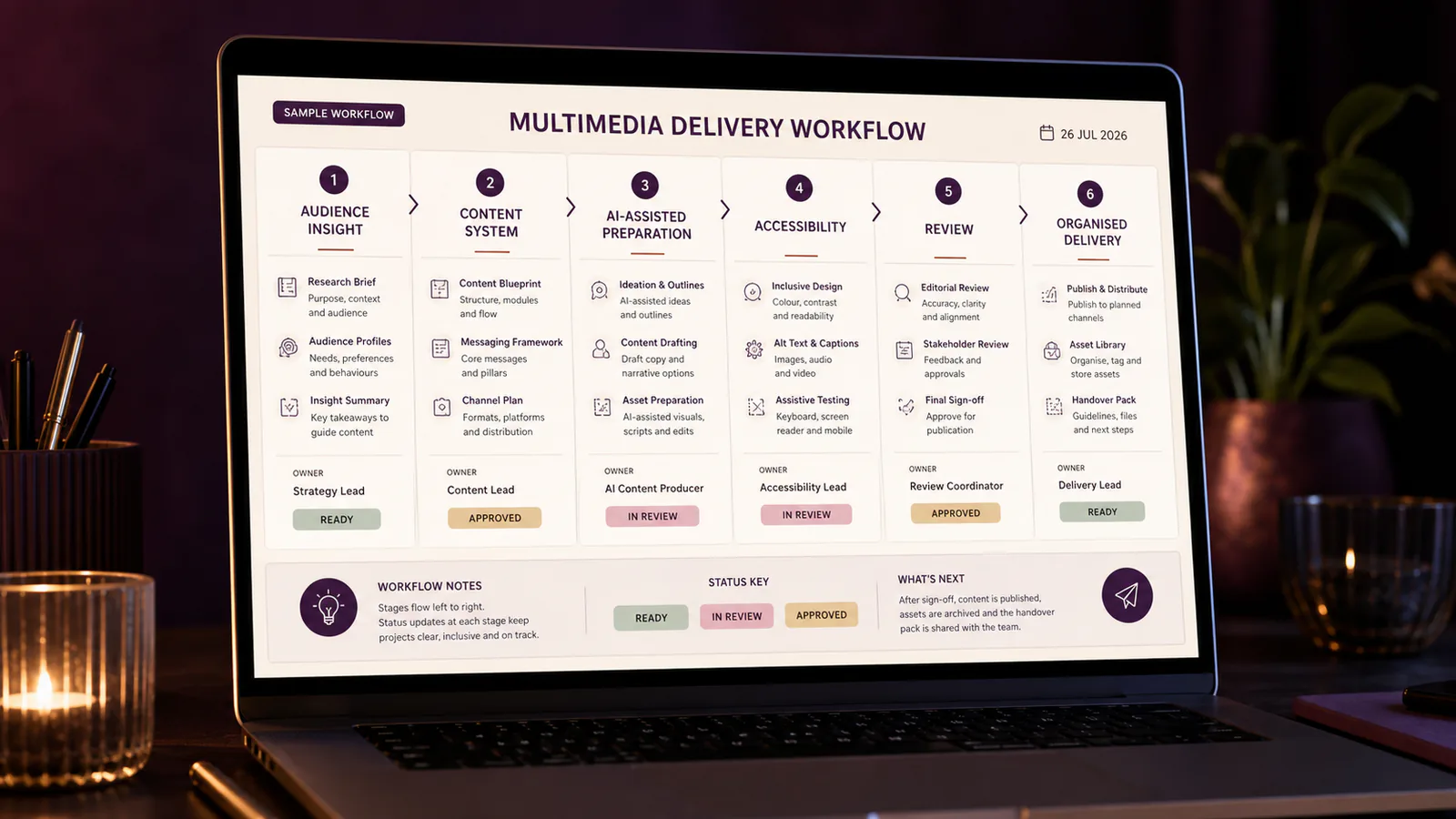
Multimedia Careers and Capability · 2026-07-20 · 6 min read
The multimedia content creator of 2026 is not defined by one software package or output format. The role connects an audience need to a coherent story, a workable content system and a responsible final release.
The content environment of 2026 rewards range, but it does not reward shapelessness. Creators work across websites, social platforms, presentations, campaigns, video, graphics, audio and emerging AI-assisted workflows. The professional advantage is knowing how those formats connect to one audience and one purpose.
Adobe’s 2026 creator research shows AI becoming integrated into everyday creative work while human voice, taste and final decision remain central. The World Economic Forum likewise expects technology literacy to grow alongside creative thinking, resilience and human leadership skills.
I describe the modern role through three identities: strategist, operator and audience advocate. My own multimedia experience strengthens project delivery because I understand both the meaning the content must carry and the workflow required to make it dependable.
Key takeaways
- As strategist, the creator defines audience, message, channel role and intended response.
- As operator, the creator organises assets, tools, versions, reviews, rights and delivery formats.
- As audience advocate, the creator protects clarity, representation, accessibility and trust.
- AI expands range and speed, while human judgement controls selection and release.
- The professional handover is part of the creative product.
Section 01
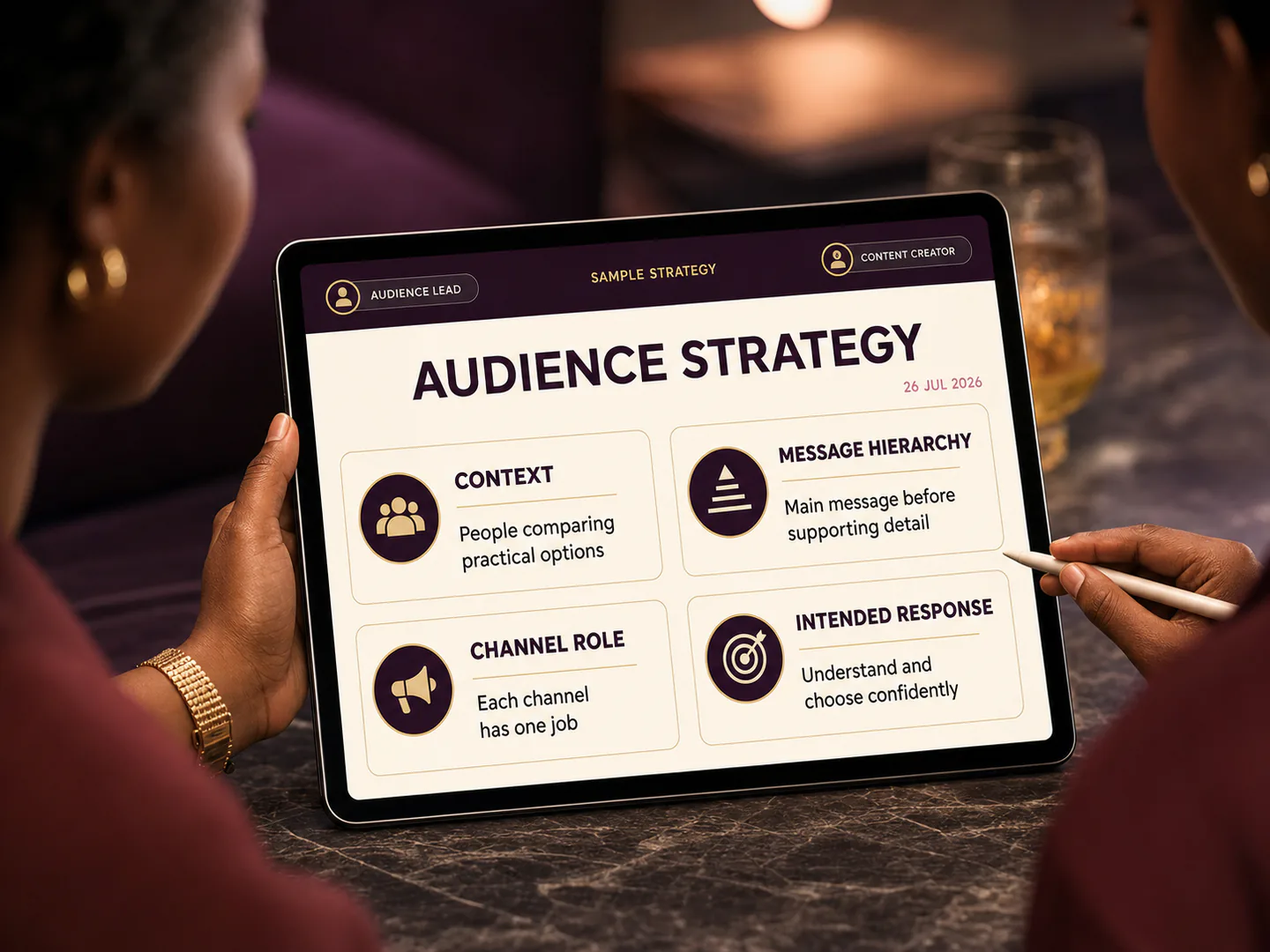
As strategist, I begin with the audience situation
I ask what the audience needs to understand, feel or do, what they already know and where they will encounter the message. The answer determines the content hierarchy and the role of each format.
This prevents a project from beginning with an arbitrary request for “a video” or “social content” before the communication problem is understood.
Section 02
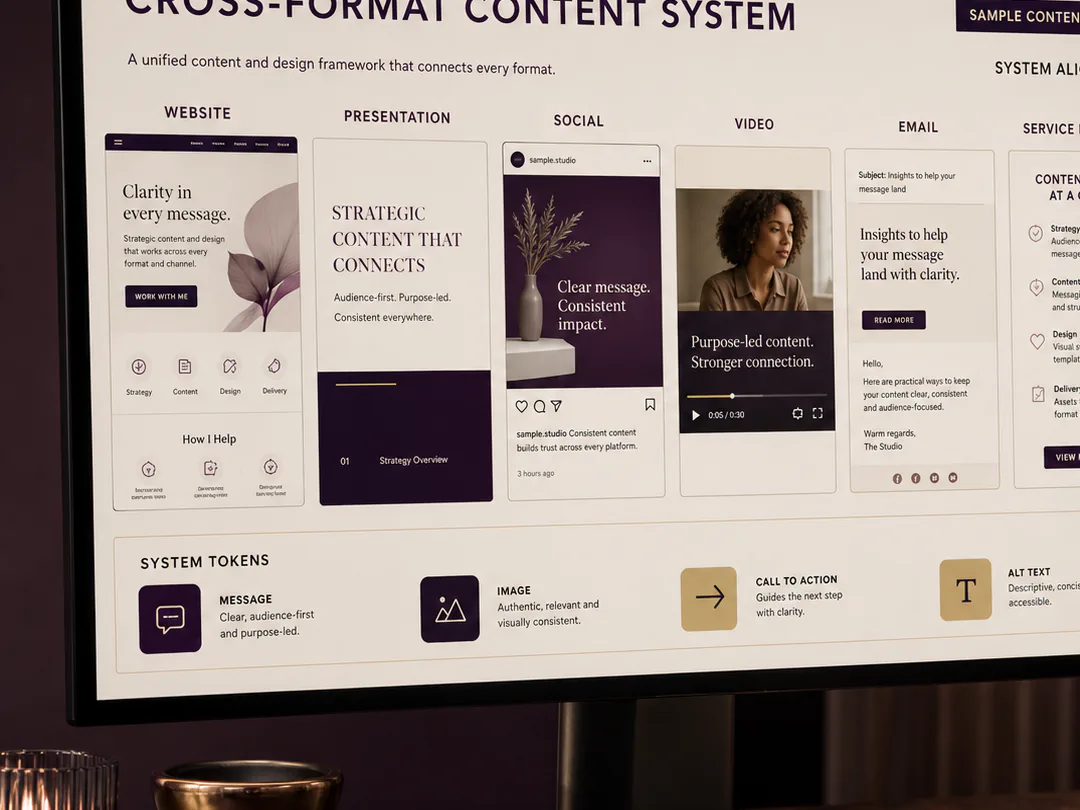
I design a content system rather than isolated posts
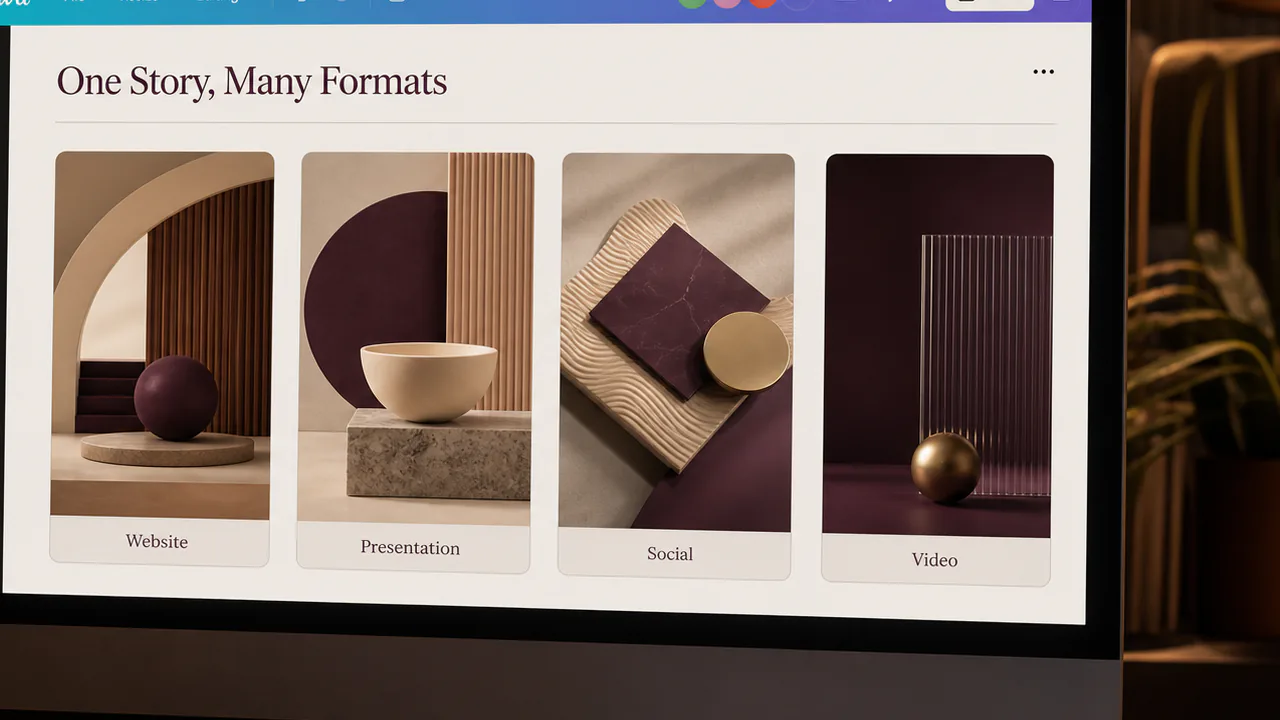
One central idea can become a website explanation, visual sequence, presentation, short clip, email and service reference. I plan how each asset adds value instead of duplicating the same material without context.
The system includes approved messages, visual direction, calls to action and a source of truth that keeps adaptations coherent.
Section 03
As operator, I make the workflow reliable
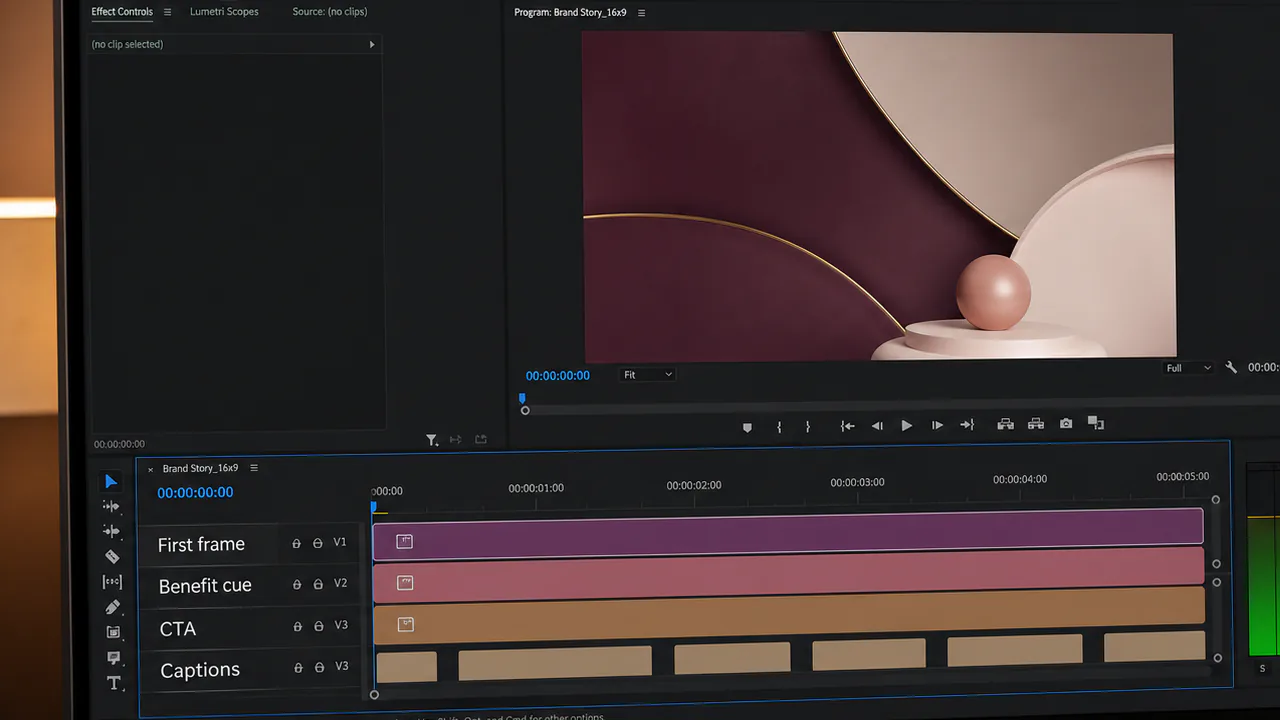
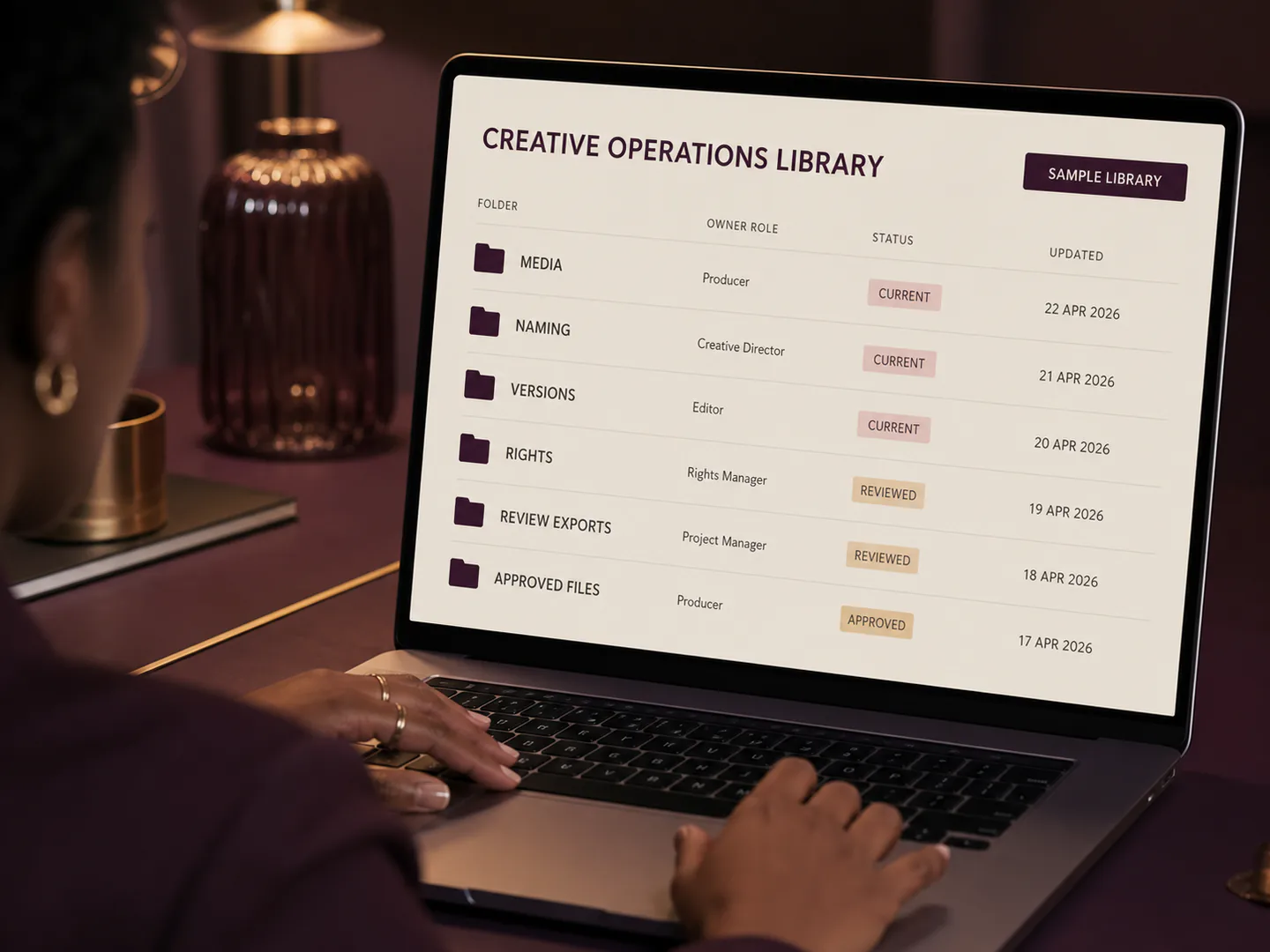
I organise files, source media, rights, naming, versions, formats, deadlines, platform requirements, review exports and approved delivery material. These details determine whether good creative work can be reviewed, reused and published correctly.
Operational discipline also protects contributors from preventable rework and gives the customer a cleaner handover.
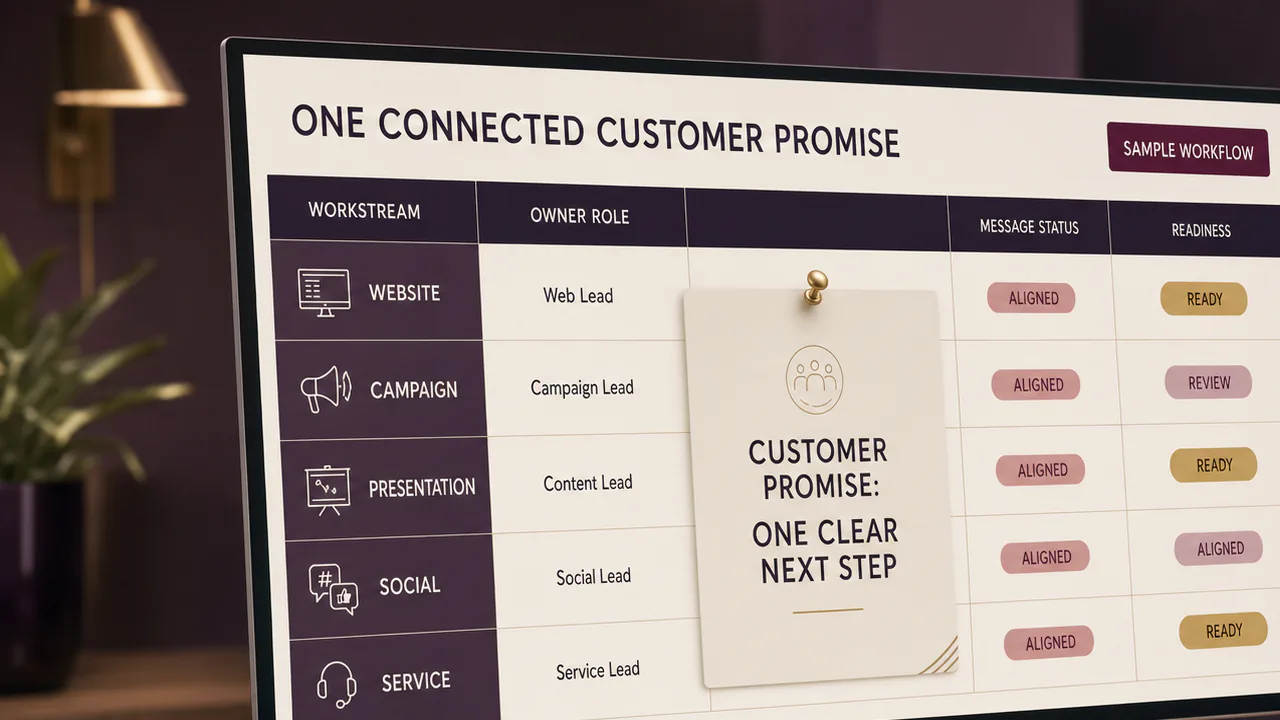
Bring the moving parts into one delivery process.
I can contribute as a multimedia content creative or coordinate the wider content project—clarifying the audience and message, organising cross-format assets and reviews, supervising AI-assisted preparation and delivering an approved, reusable final package.
Section 04
I use AI to support range without surrendering the role
AI can help with research, ideation, structuring, adaptation, transcription, first versions and production preparation. I remain responsible for source quality, selection, editing, disclosure, permissions and final presentation.
The creator’s value shifts towards directing the work, recognising what is distinctive and ensuring the output still sounds and feels accountable to a real person or organisation.
Section 05
As audience advocate, I protect clarity and representation
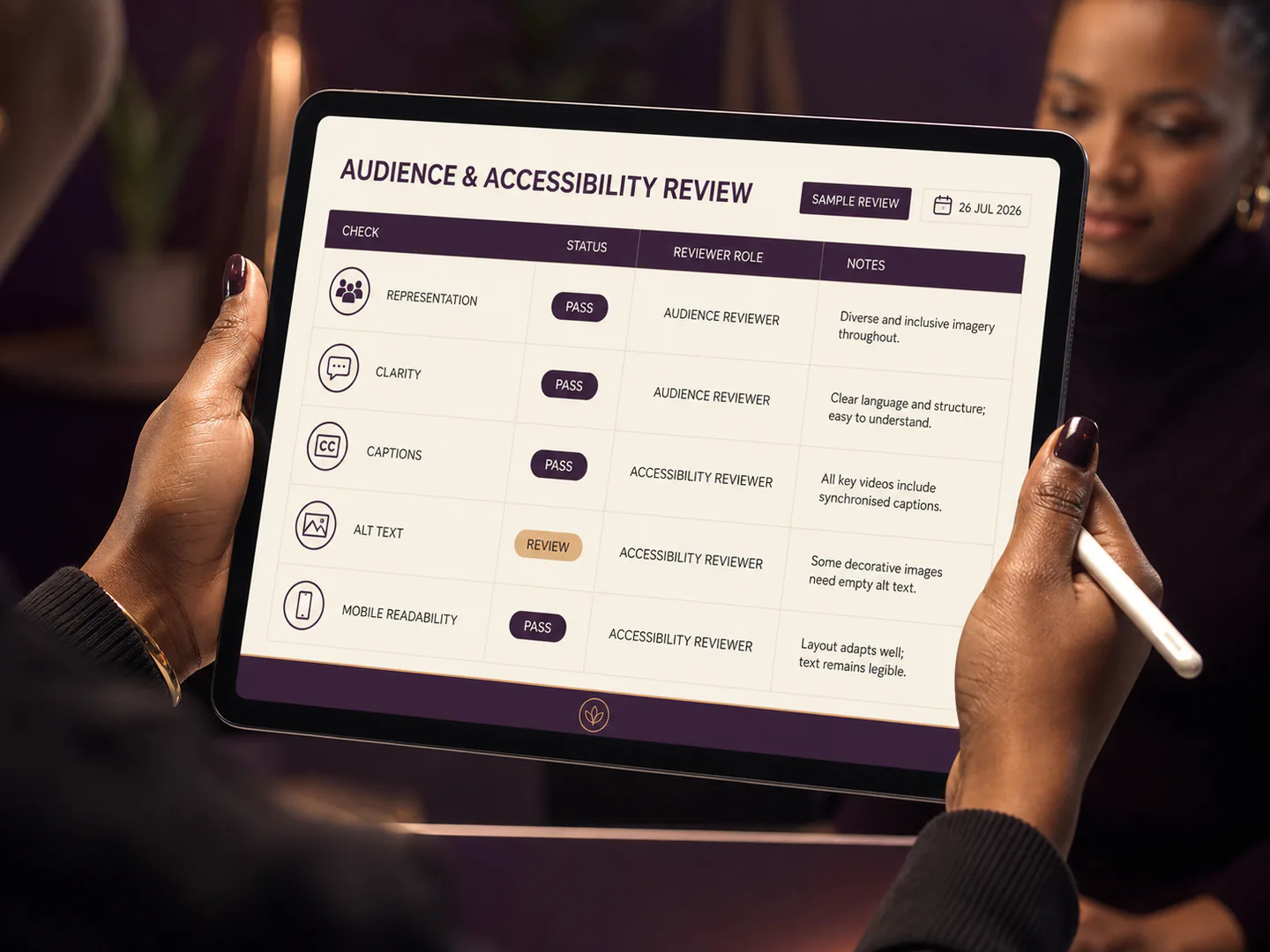
I consider language, cultural detail, casting, tone, narrative pacing and whether people are represented with credibility rather than used as decoration. I also question assumptions that may exclude part of the intended audience.
The work should feel relevant without reducing people to a stereotype or copying generic trends that do not fit the context.
Section 06
I build accessibility into the creative decision
Captions, transcripts, alt text, readable structure, contrast, understandable controls and alternatives can change how an idea is composed. Planning them early produces a stronger experience than adding weak substitutes at the end.
Accessibility supports audience reach, comprehension and professional quality across devices and situations.
Section 07
I deliver an asset that can live beyond one publication
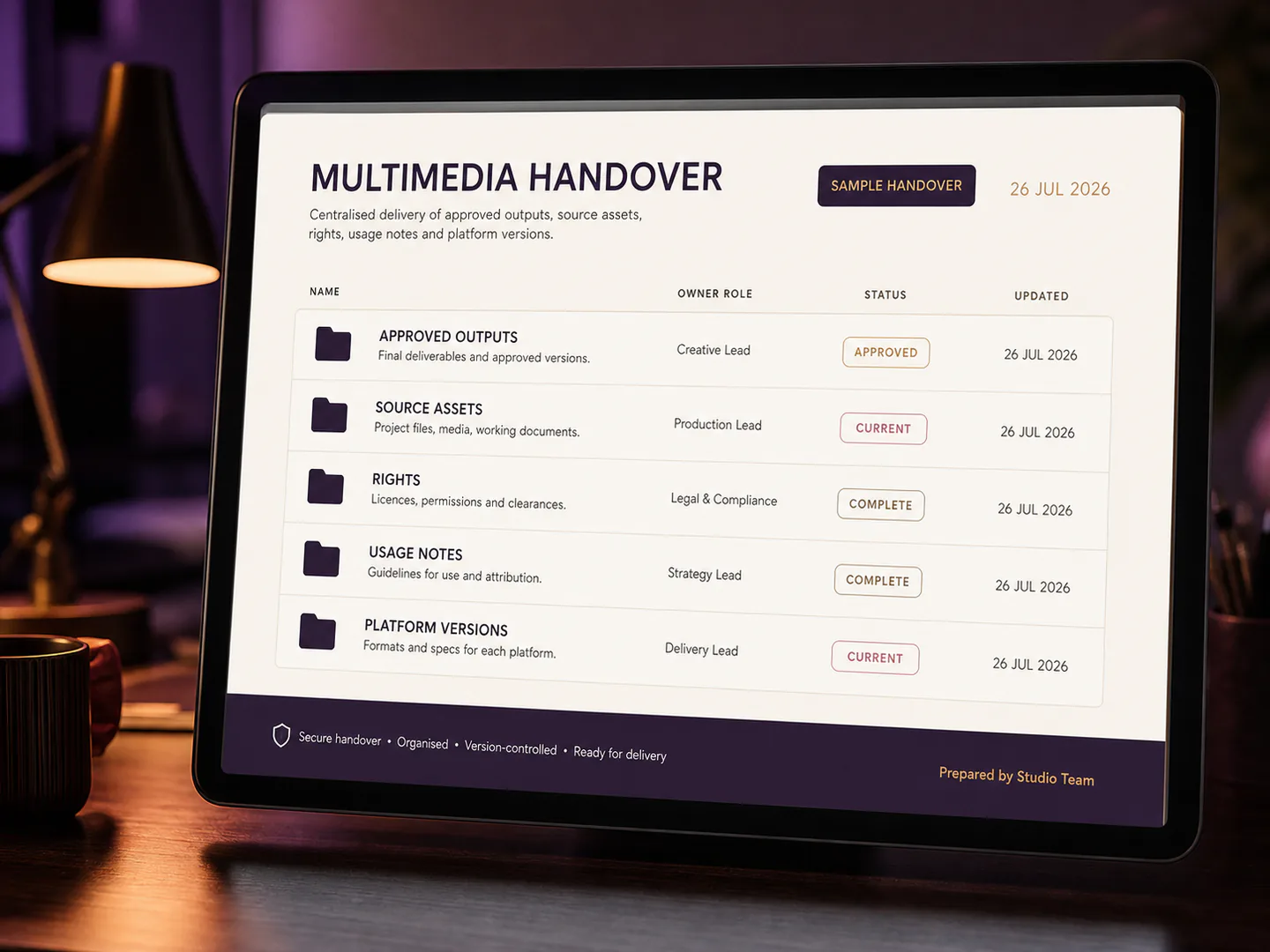
The final package includes approved files, source assets, usage notes, rights, alt text, version status, platform adaptations and future update guidance. The customer can find and reuse the work without guessing which file is correct.
That organised handover is part of multimedia content creation because it protects the integrity of the story after the original creator leaves the project.
Turn this insight into an organised next step.
The multimedia content creator in 2026 is not smaller because tools can do more. The role becomes more connected: part strategist, part creative operator and part advocate for the people who must understand and use the content.
When a project needs both meaningful content and dependable organisation around that content, I can help bring the story, workflow, audience and handover into one professional delivery.
Start with the short version: the outcome, intended audience, deadline, available assets, stakeholders and the delivery problem that is currently blocking progress.
Sources and related reading
- Adobe — 2026 Creators' Toolkit Report (16 June 2026) — Creative AI is becoming infrastructure, but creators still place final decisions, voice, taste and judgement with people.
- Adobe — 2026 Creative Trends Forecast — The forecast emphasises emotional connection, multisensory work, experimentation, authenticity and local cultural relevance.
- World Economic Forum — The Future of Jobs Report 2025 — AI literacy is rising, while creative thinking, resilience, leadership and technological literacy remain important.
- W3C — Web Content Accessibility Guidelines (WCAG) 2.2 Overview — WCAG organises accessible content around perceptible, operable, understandable and robust experiences.