AI-Assisted Creative Operations · 2026-04-06 · 6 min read
An AI operating system is not a collection of impressive tools. It is a controlled way of moving work from a customer need to a reviewed, usable and accountable result.
The phrase “AI operating system” can sound larger and more technical than the delivery problem most teams are trying to solve. In practice, the need is usually simple: a customer request enters the organisation, several people and tools contribute, decisions are made, content is reviewed and a usable result must leave the process.
The danger is treating every new tool as a separate shortcut. One tool researches, another drafts, another creates visuals and another automates messages, but nobody can see the full path, the approved source material or the person responsible for release. The organisation produces more activity while the customer experiences inconsistency.
My definition is operational rather than software-led. An AI operating system for creative work connects the brief, trusted context, work queue, permissions, review gates, project records and handover. It helps the team move faster without losing the human responsibility that gives the work meaning.
Key takeaways
- The operating system begins with a customer outcome, not a tool licence.
- AI needs approved context, scoped access and a clearly defined task.
- Human checkpoints should sit where judgement, risk or customer impact increases.
- Work status, decisions and exceptions must remain visible across the whole workflow.
- The final handover should preserve evidence, approved assets and reusable knowledge.
Section 01
The customer outcome is the organising principle
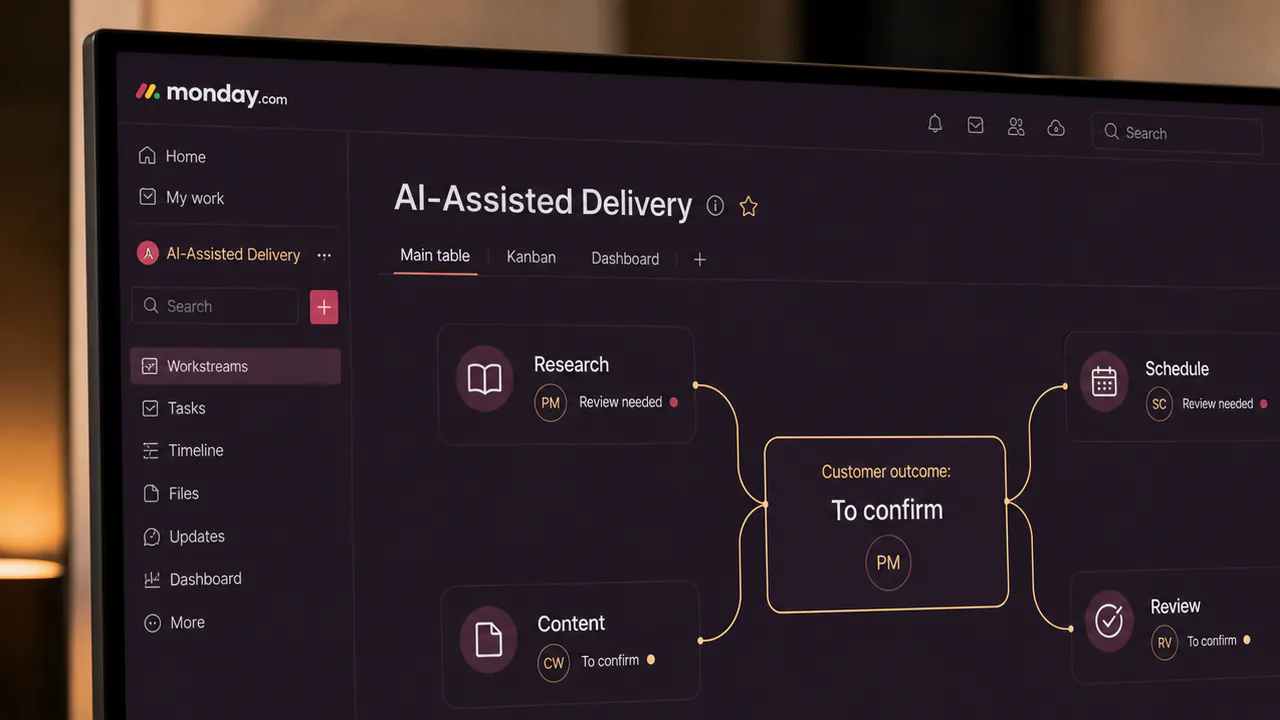
I define the result the customer needs before selecting a model, automation or platform. The outcome might be a clearer website, a coordinated campaign, an approved presentation, an organised content library or a dependable review process. That result determines which work should be accelerated and which decisions must remain deliberate.
Without this anchor, the team can optimise individual tasks while weakening the complete experience. Faster copy generation does not help when the message is unapproved, the image contradicts the brand or the final file never reaches the correct channel.
Section 02
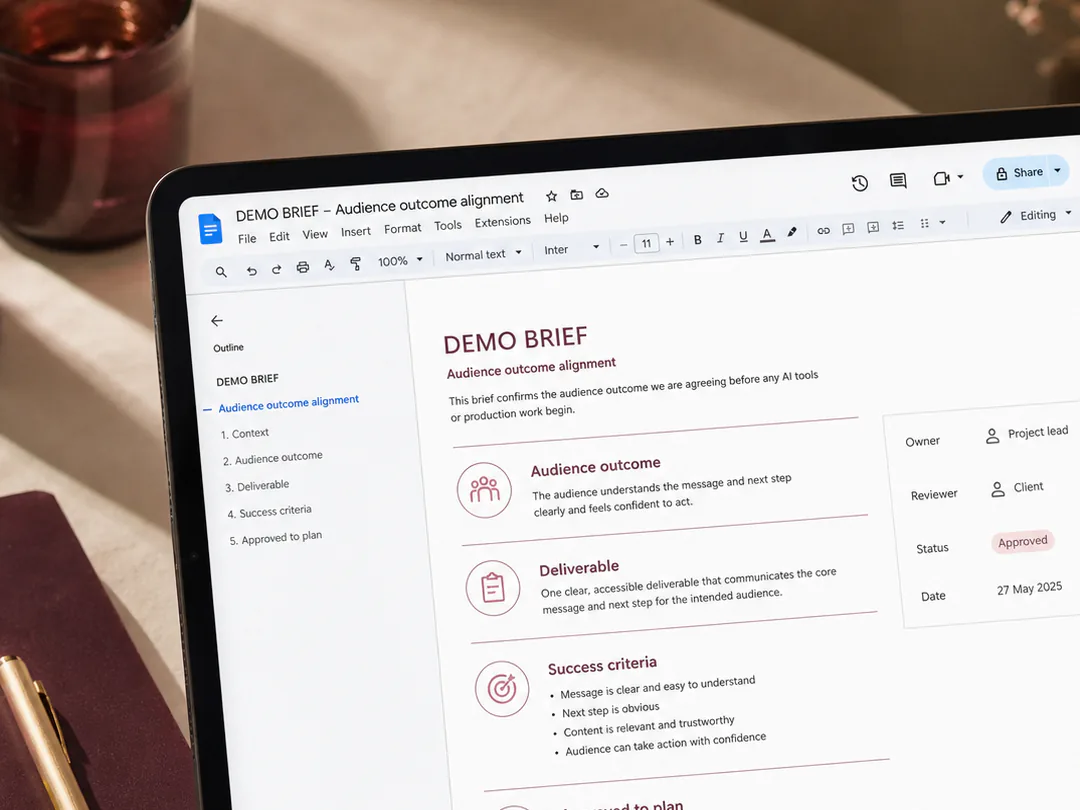
One intake creates one version of the request
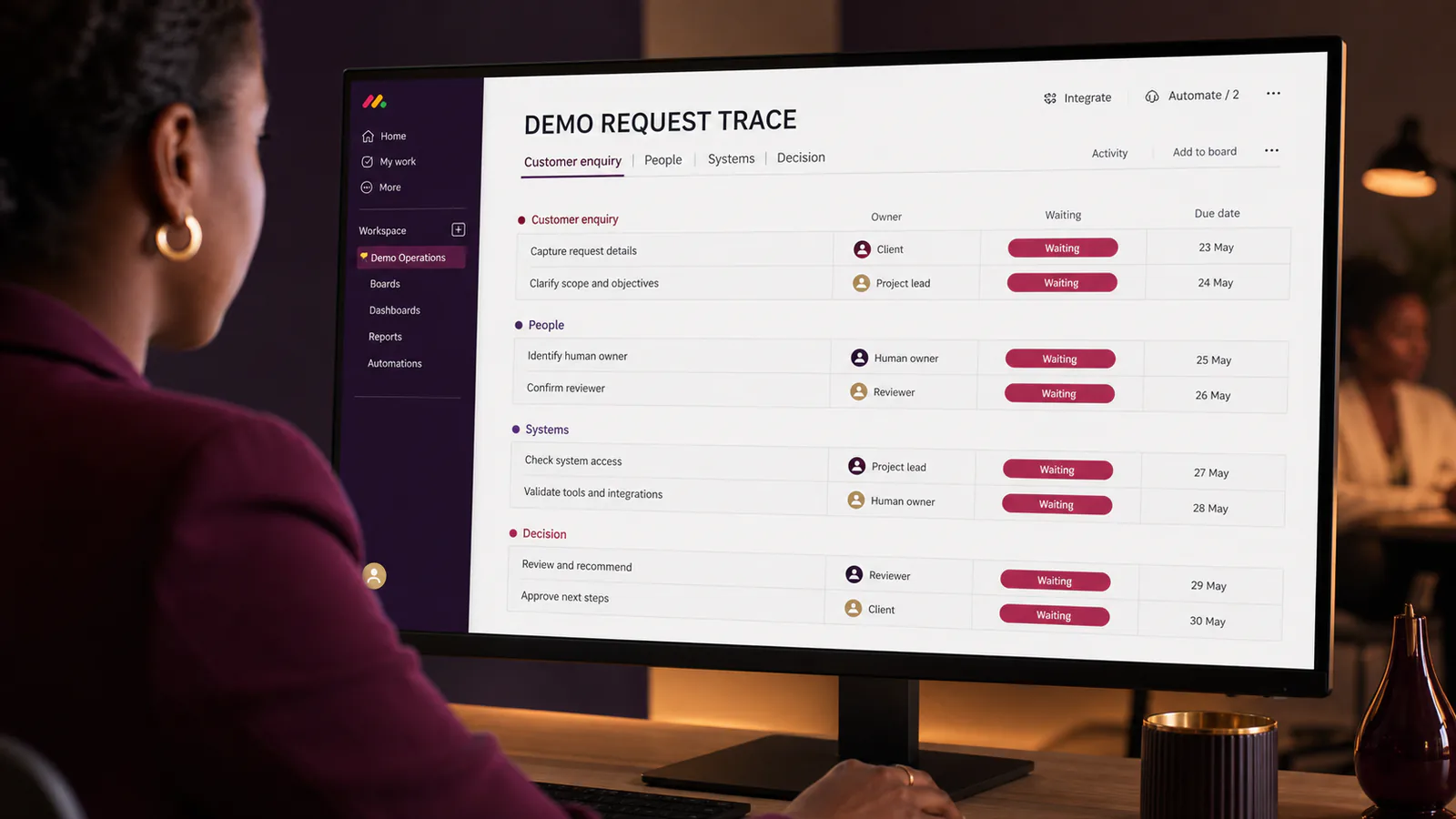
Every project needs a clear entry point containing the intended audience, deliverables, deadline, available assets, constraints, stakeholders and acceptance criteria. I organise this information so that people and tools work from the same request rather than reconstructing it from messages and meeting fragments.
The intake is also where I identify missing information. AI should not be used to fill a factual gap that the responsible stakeholder has not answered.
Section 03
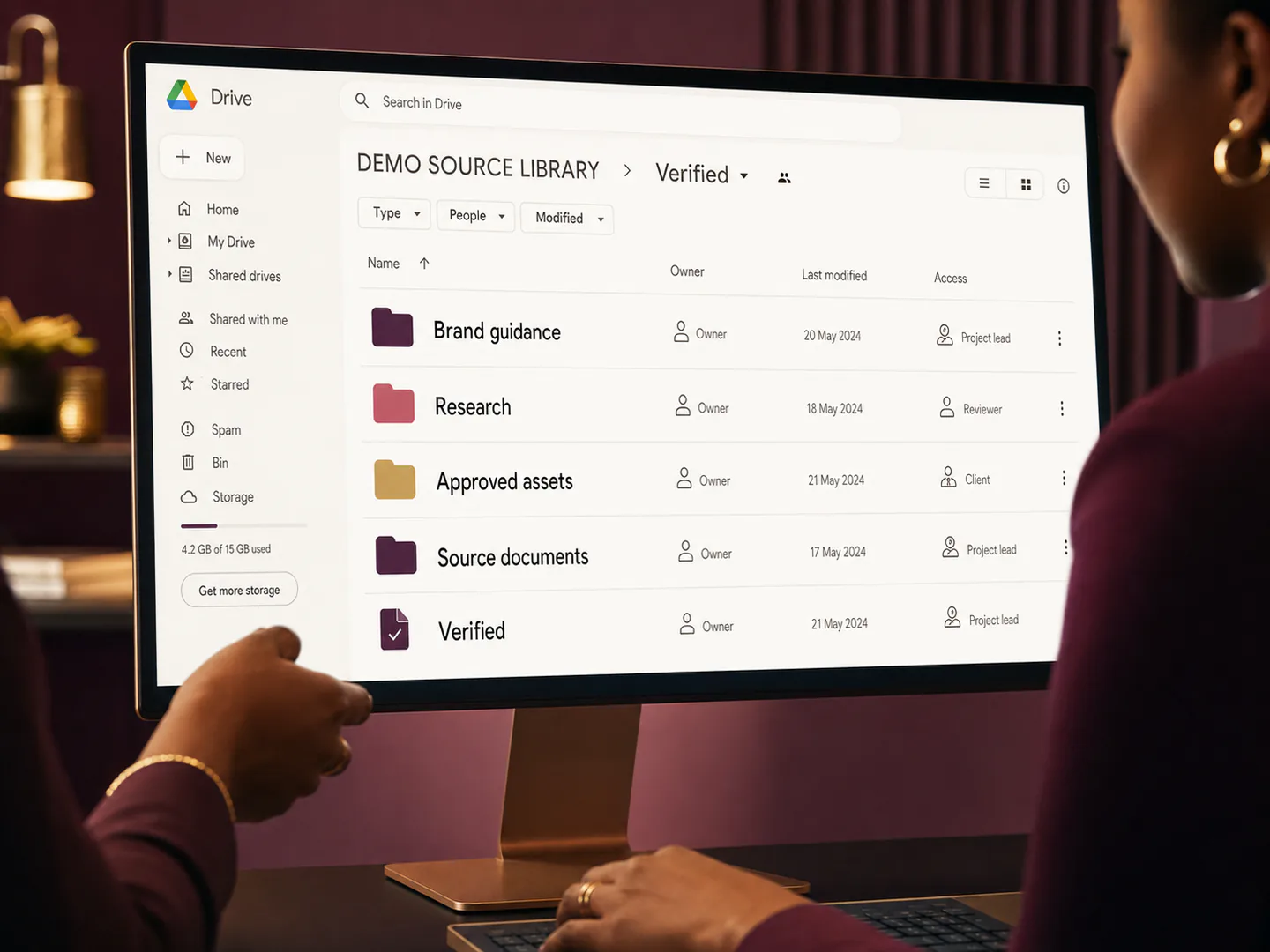
Trusted context feeds the work
The system should distinguish approved brand guidance, verified facts, customer research, source documents, current assets and historical examples from informal or outdated material. Context quality directly affects output quality.
I define which sources may be used, who maintains them and how a contributor can flag uncertainty. This is more dependable than assuming a model will recognise which document is authoritative.
Bring the moving parts into one delivery process.
I can map the complete creative or digital delivery path, organise the brief and trusted context, define human review gates, assign responsibilities and prepare an operating model that a technical team can implement without losing the customer objective.
Section 04
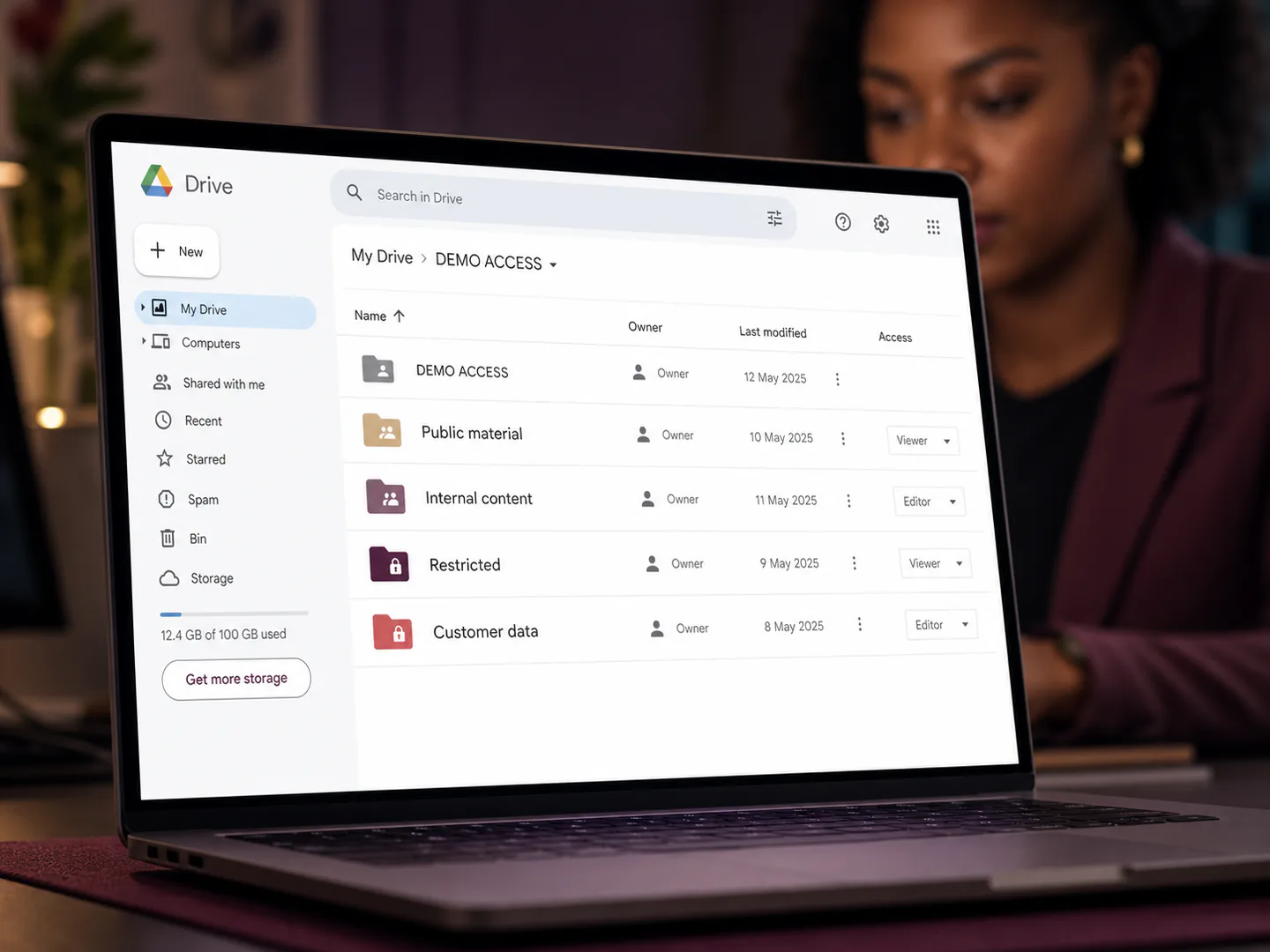
Permissions and boundaries protect the project
A tool should receive only the access required for its assigned task. Sensitive information, unpublished material, customer data and internal decisions need proportionate controls. The project owner should know what the tool can read, change, send or publish.
Boundaries do not prevent useful automation. They make the automation safe enough to repeat and clear enough to supervise.
Section 05
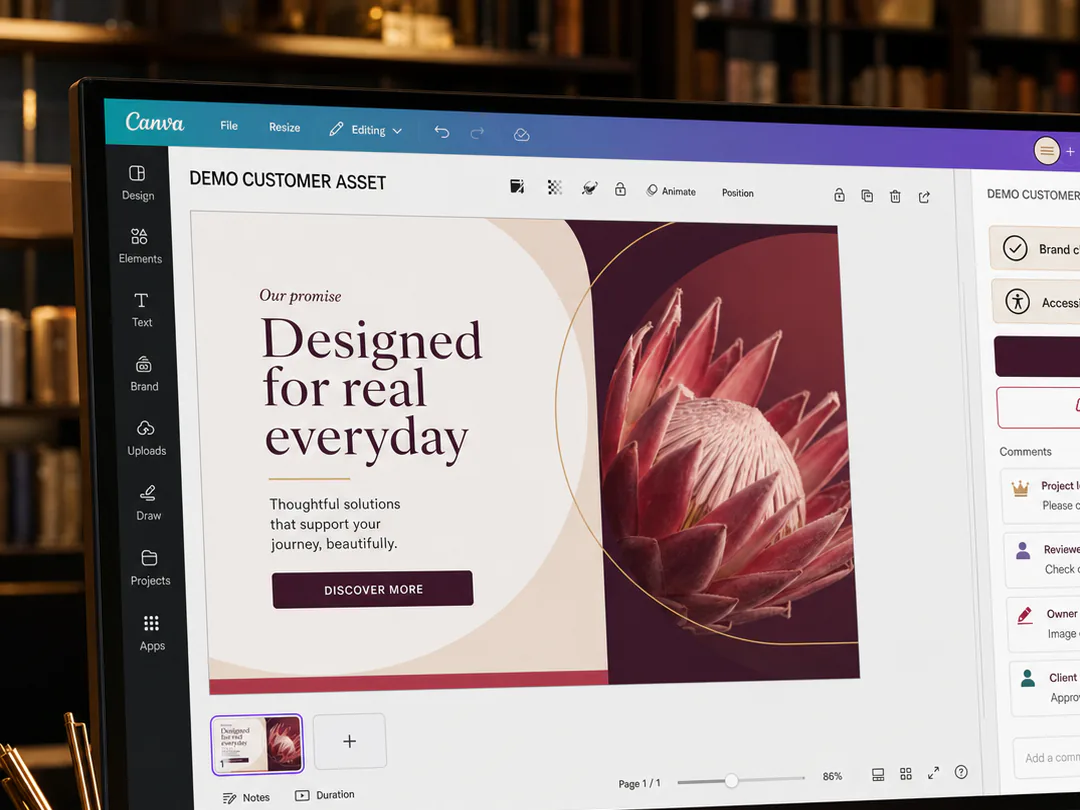
Human checkpoints sit at changes in risk
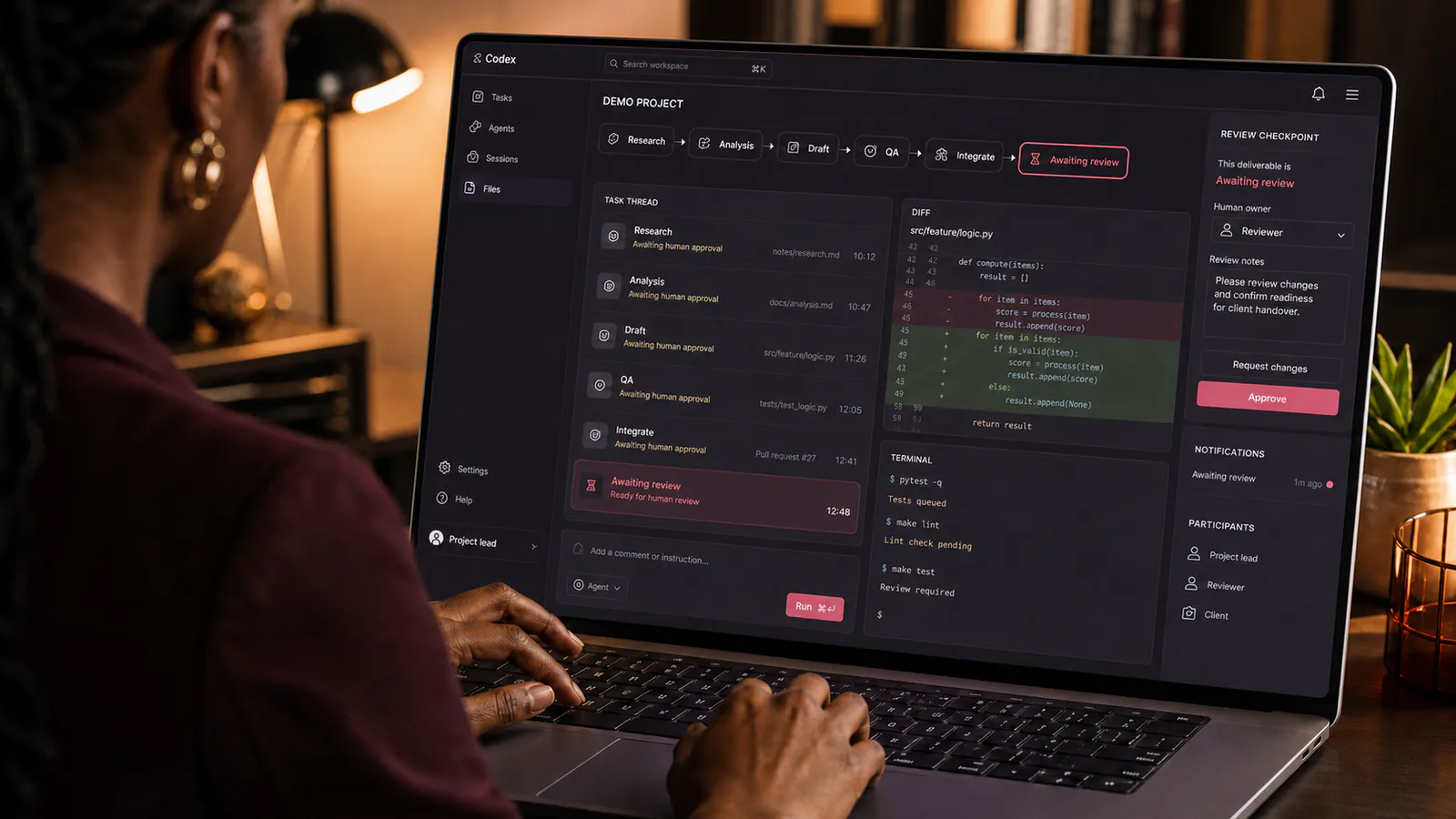
I place review gates before customer-facing publication, important recommendations, brand claims, use of personal information, legal or contractual wording and irreversible actions. Routine formatting may need a lighter check than a public promise or sensitive communication.
The reviewer must have the authority and context to make a real decision. A checkbox without time, evidence or ownership is not meaningful human supervision.
Section 06
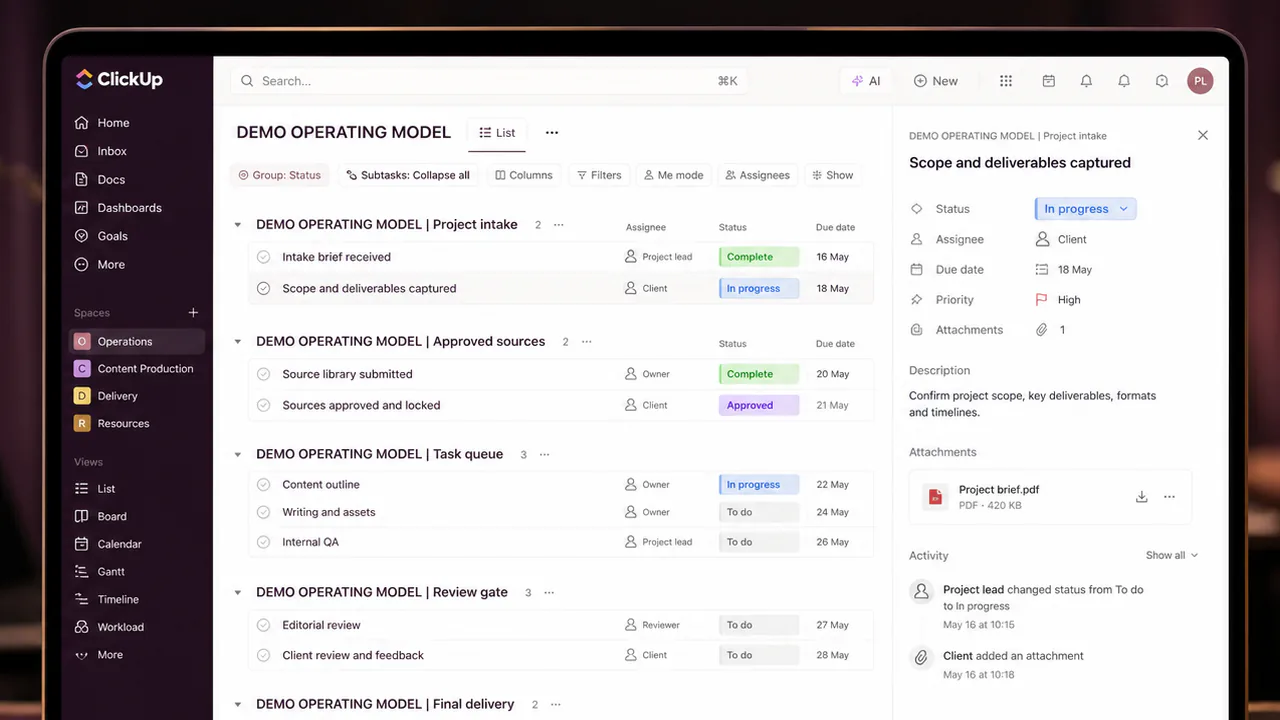
A visible work queue connects people and agents
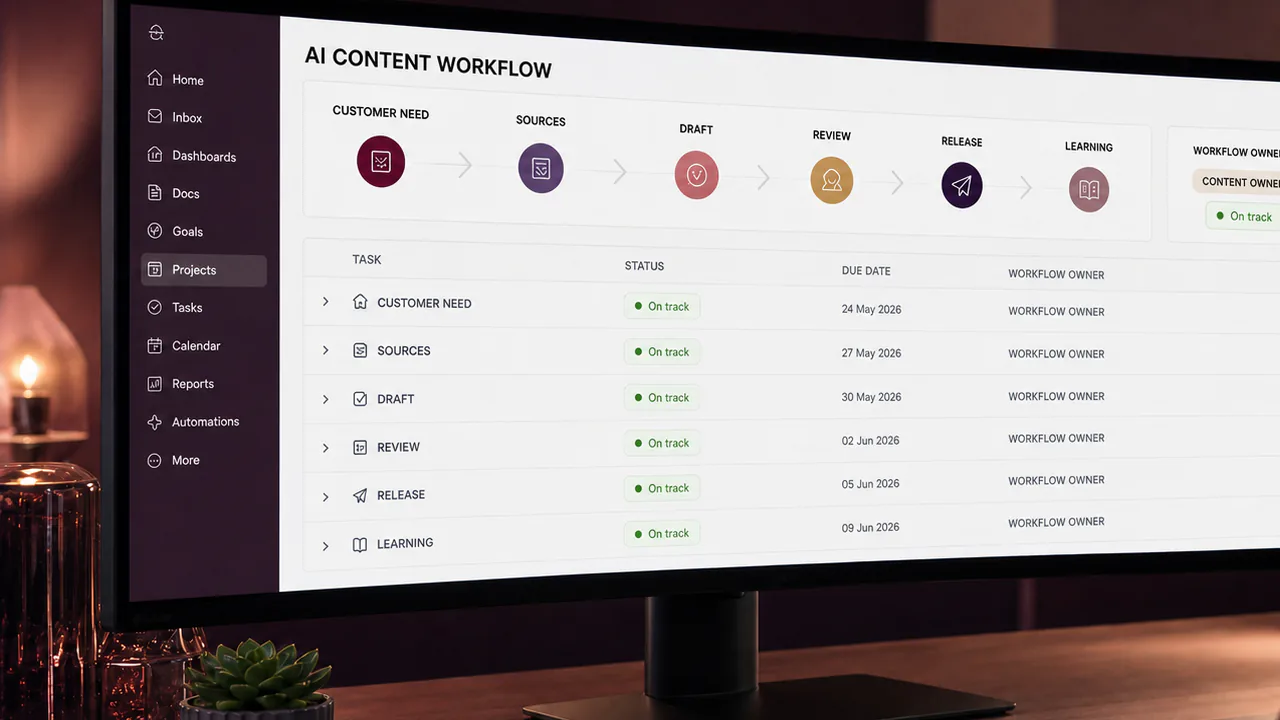
The team should be able to see what is waiting, in progress, blocked, under review, approved or complete. I also make exceptions visible: missing assets, conflicting feedback, failed automation, uncertain facts and decisions that have exceeded their response date.
This view prevents work from disappearing inside individual tools and gives the customer a more accurate progress update.
Section 07
Records and handover turn activity into an asset
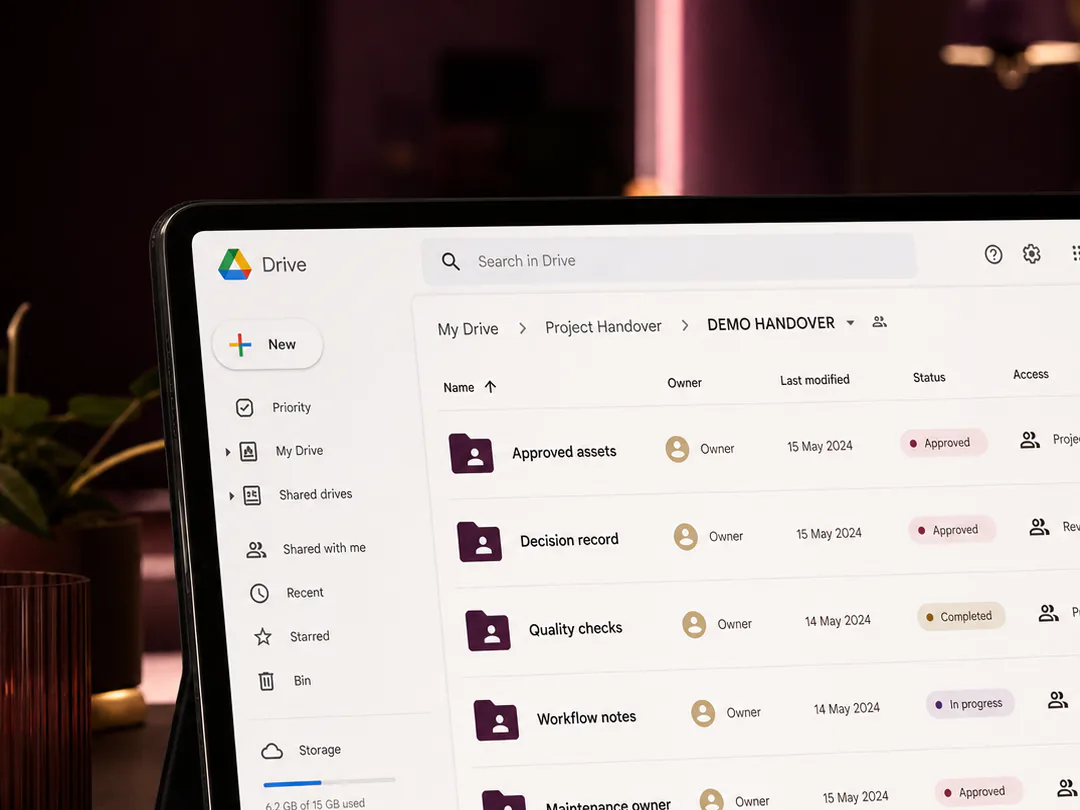
I preserve the final brief, source register, approved outputs, decision trail, version history, quality checks and reusable instructions at the end of the project. The organisation should not have to rediscover the complete process every time similar work returns.
A strong handover also records limitations and open items. The system becomes more useful because people can learn from it, not because it pretends every workflow is fully autonomous.
Turn this insight into an organised next step.
An AI operating system is valuable when it makes responsibility clearer, not when it hides work behind a more complicated interface. The customer should receive a coherent result, the team should understand the current state and the organisation should know who approved what.
When tools have accumulated faster than the workflow around them, I can help bring the request, people, assets, decisions, reviews and final handover back into one visible delivery process.
Start with the short version: the outcome, intended audience, deadline, available assets, stakeholders and the delivery problem that is currently blocking progress.
Sources and related reading
- Microsoft — 2025 Work Trend Index: The Frontier Firm Is Born — Human-agent teams increase the need for direction, supervision, workflow design and judgement.
- PMI — Step Up: Redefining the Path to Project Success with M.O.R.E. (December 2025) — Project success increasingly depends on ownership, perception management, reassessment and a wider view of value.
- Google Search Central — Creating Helpful, Reliable, People-First Content — Useful content should be created primarily for people; meaningful disclosure can explain substantial automation or AI assistance.