AI Tools and Digital Delivery · 2026-04-20 · 6 min read
As agentic tools move beyond isolated code tasks, the project-management question becomes more important: what may the tool do, what evidence must it preserve and who owns the result?
OpenAI’s April 2026 account of Codex describes a tool moving into longer-running, repeatable work across applications rather than remaining limited to a single coding prompt. The earlier Codex app had already introduced parallel agents, isolated work and a central place for people to steer and review tasks.
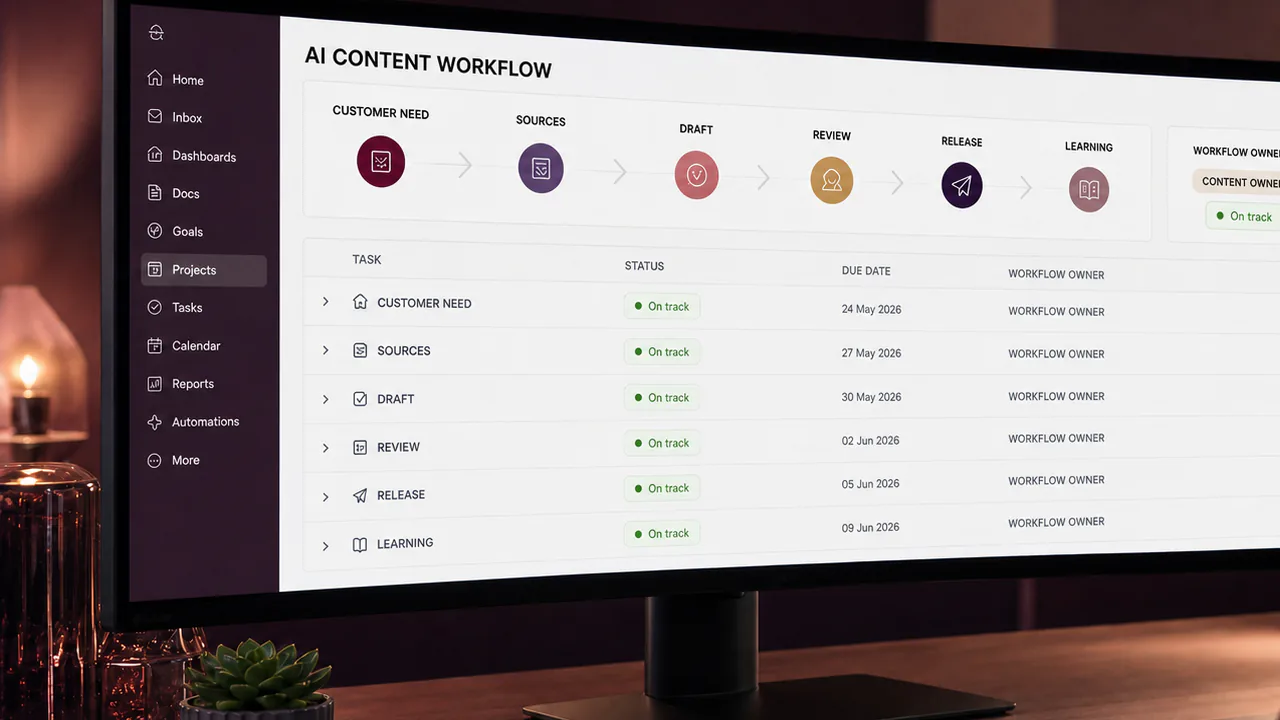
For a project manager, that expansion does not turn every assignment into a technical project. It changes how research, analysis, documentation, content preparation, quality checks and workflow automation can be organised. It also creates new places where scope, source quality and decision ownership can become unclear.
I would treat Codex as a capable project contributor within a defined delivery system. The controls below are the ones I keep visible when an AI agent participates in knowledge work that will eventually affect a customer, stakeholder or public-facing output.
Key takeaways
- Give the agent a bounded outcome, not an open invitation to “improve everything”.
- Specify approved sources, files, tools and exclusions before execution.
- Parallel work needs a coordination plan so outputs do not conflict or duplicate effort.
- Require reviewable evidence, named human decisions and clear acceptance criteria.
- Preserve the final instructions, changes, limitations and approved assets in the handover.
Section 01
Control one: define the assignment and stop condition
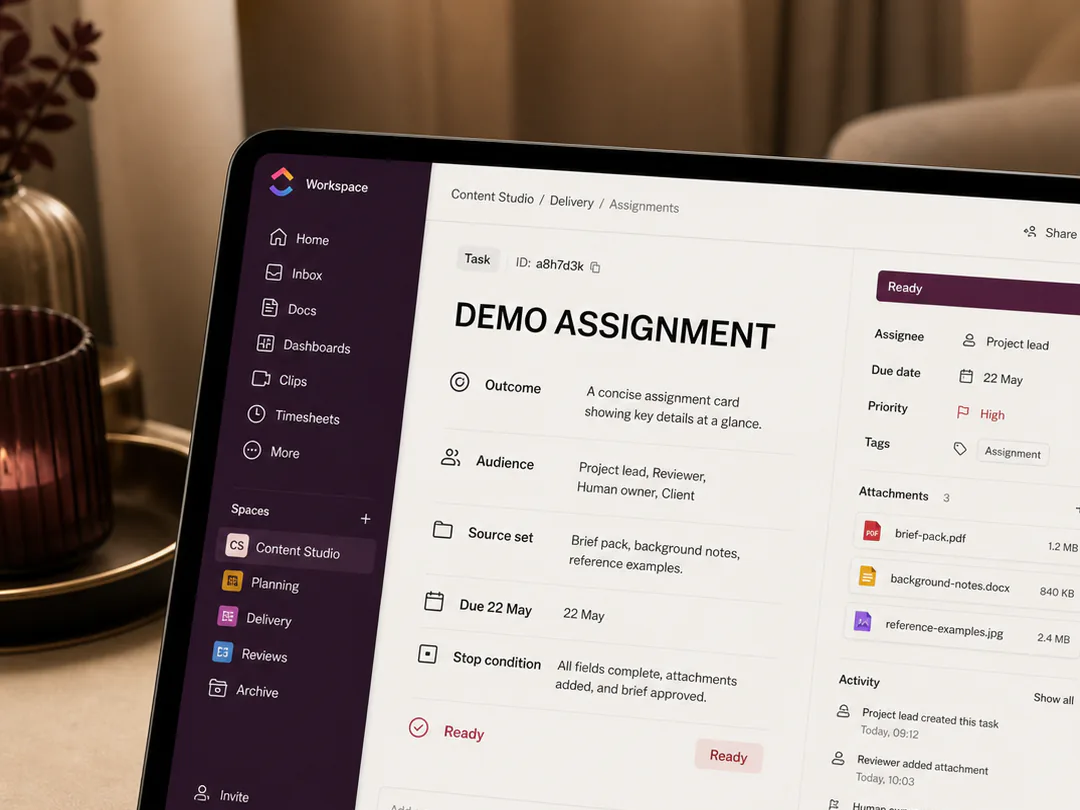
I convert the request into a specific output, audience, format, deadline and completion test. A task such as “prepare a decision-ready summary from these approved documents” is safer and easier to review than “research the topic and make a presentation”.
The stop condition matters. The agent should know when to return for clarification, when evidence is insufficient and which actions require approval.
Section 02
Control two: organise the context before the run
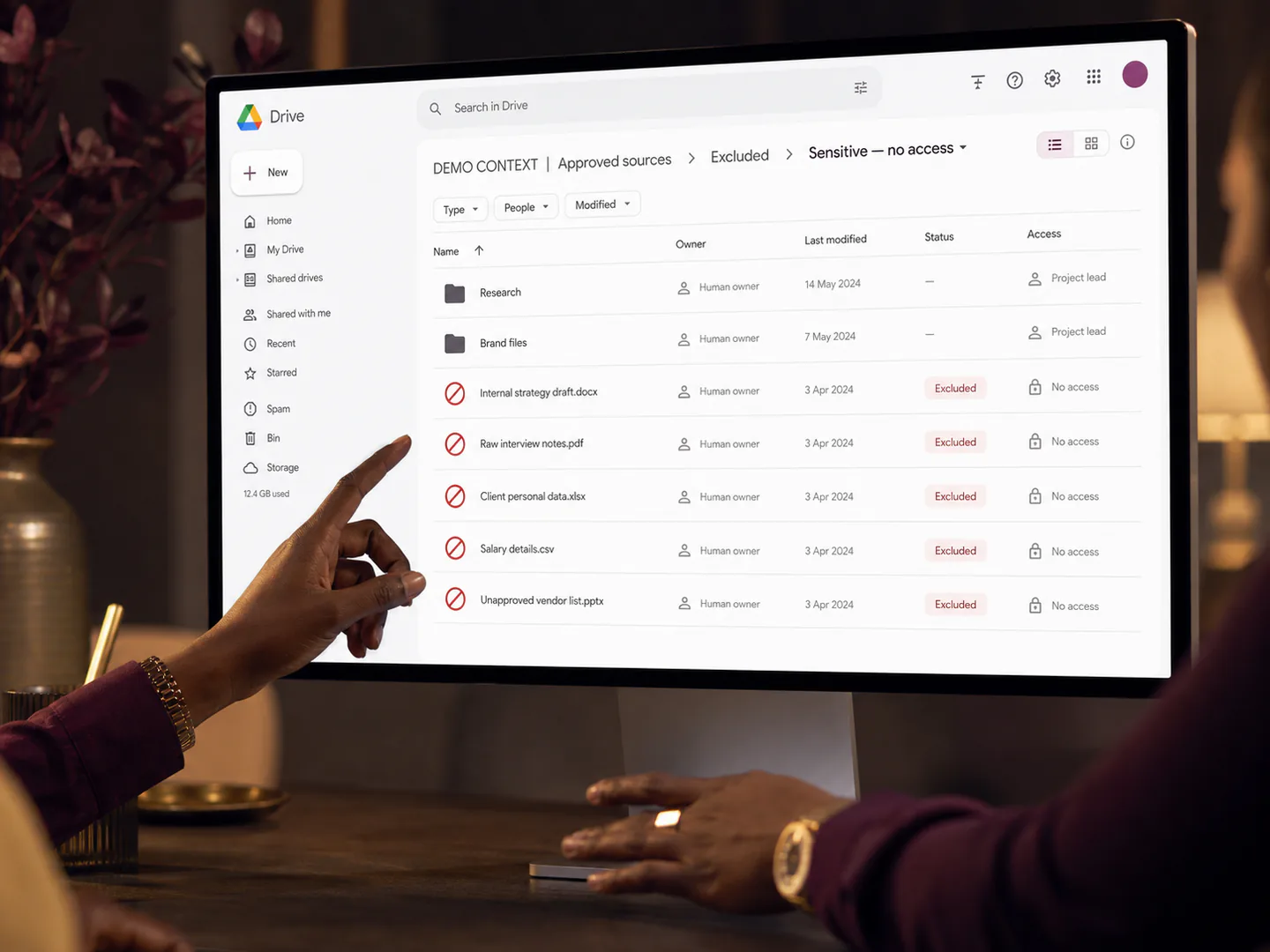
I identify current source files, approved data, brand guidance, previous decisions and examples that genuinely belong to the assignment. Irrelevant or outdated context can make a polished result less dependable.
I also record exclusions, including sensitive folders, personal information, unapproved claims and material outside the project scope.
Section 03
Control three: coordinate parallel tasks as one project
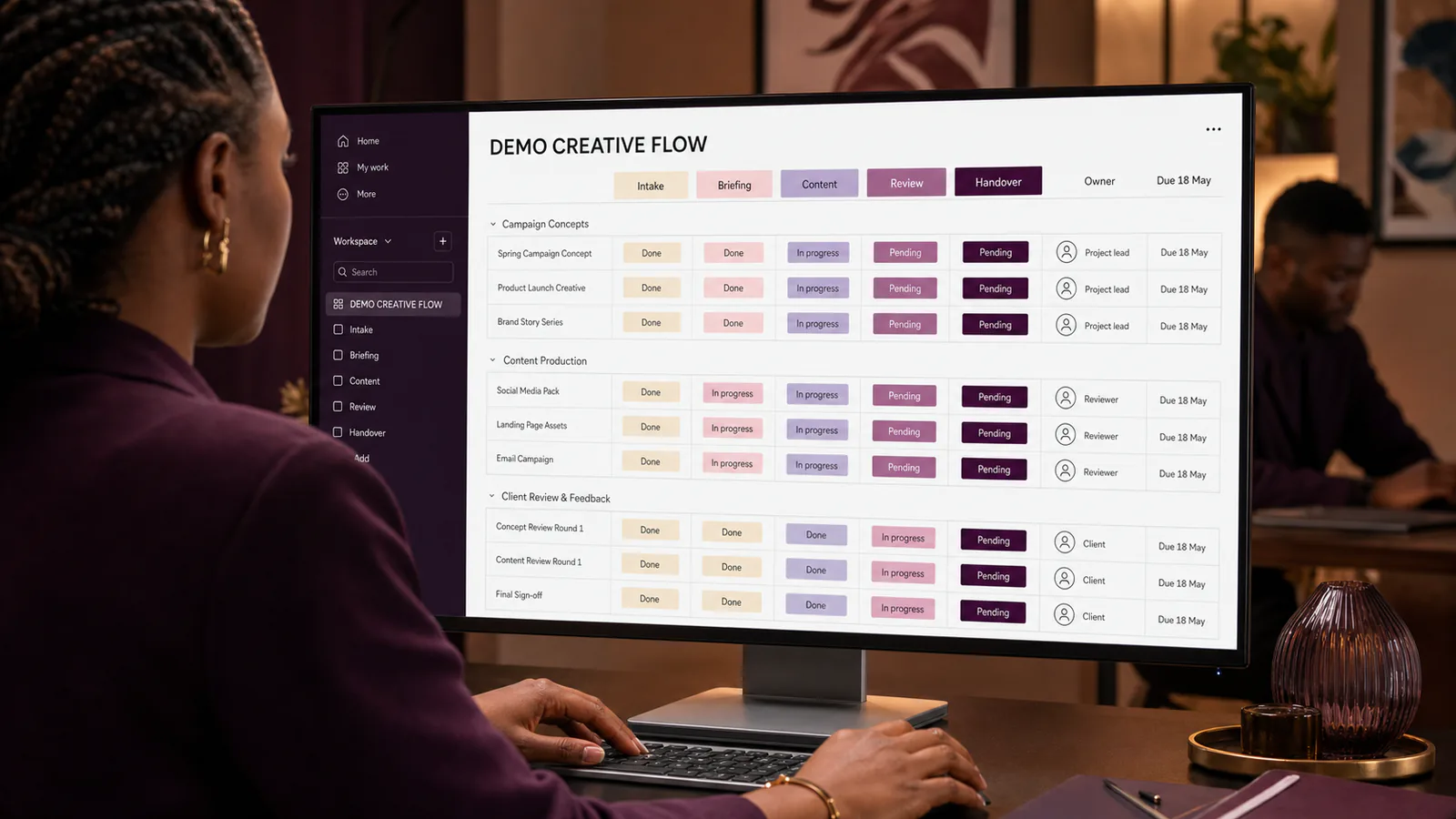
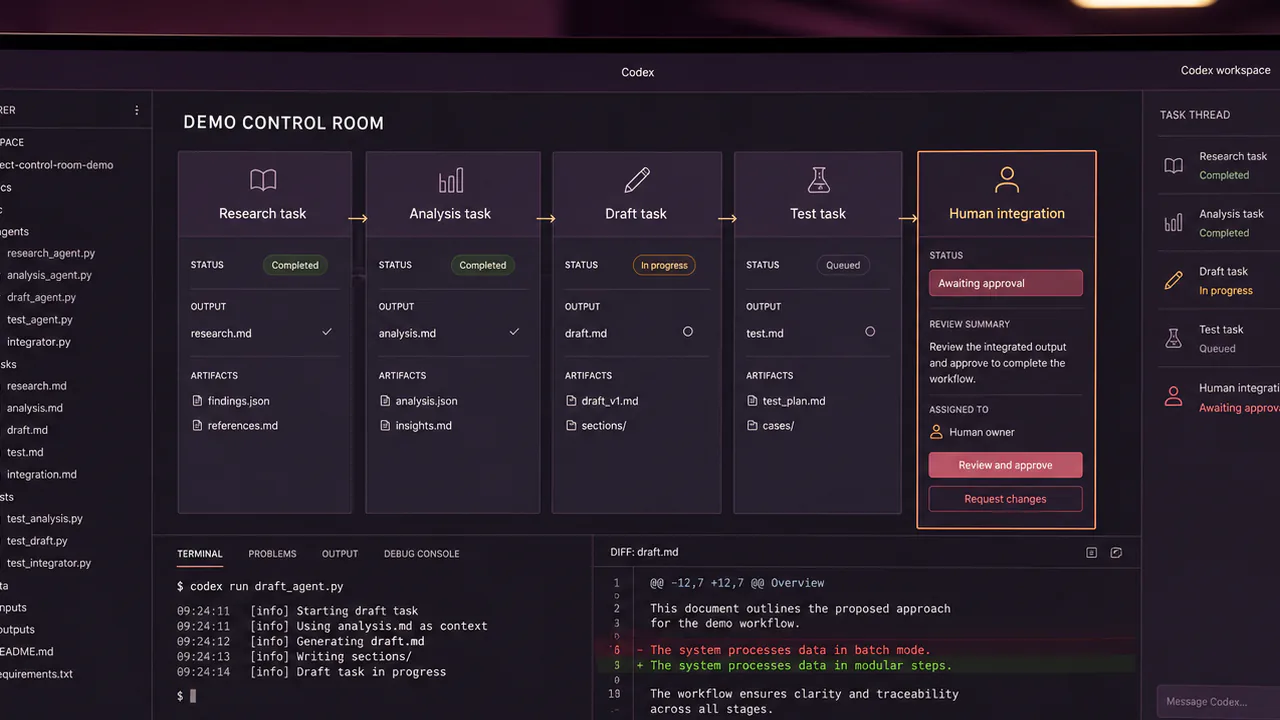
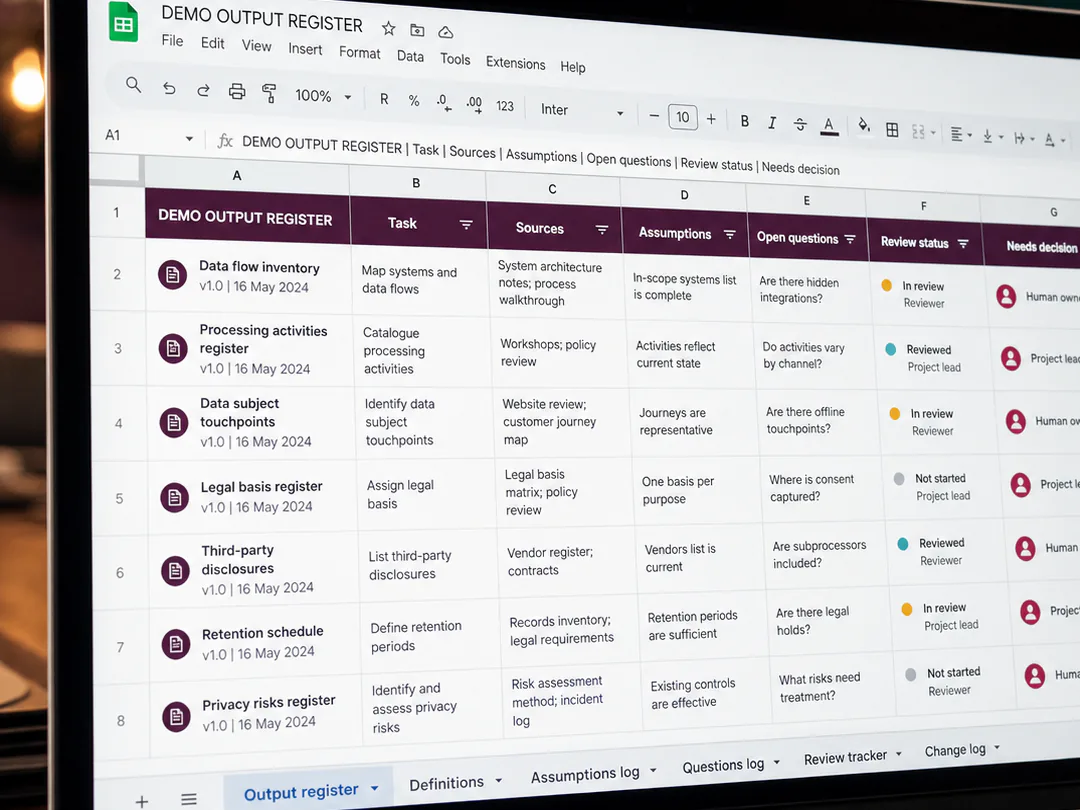
Several agents may research, analyse, draft or test at the same time. I define the work packages, expected interfaces and final integration owner so that speed does not create contradictory assumptions.
Each stream should return a structured result with sources, uncertainties and decisions needed. The project manager then sees the combined delivery rather than a pile of separate outputs.
Bring the moving parts into one delivery process.
I can translate a Codex-assisted knowledge-work idea into a project brief with scoped tasks, approved context, review evidence, human decision gates, acceptance criteria and an organised handover for the people implementing and owning the workflow.
Section 04
Control four: require evidence that a reviewer can inspect
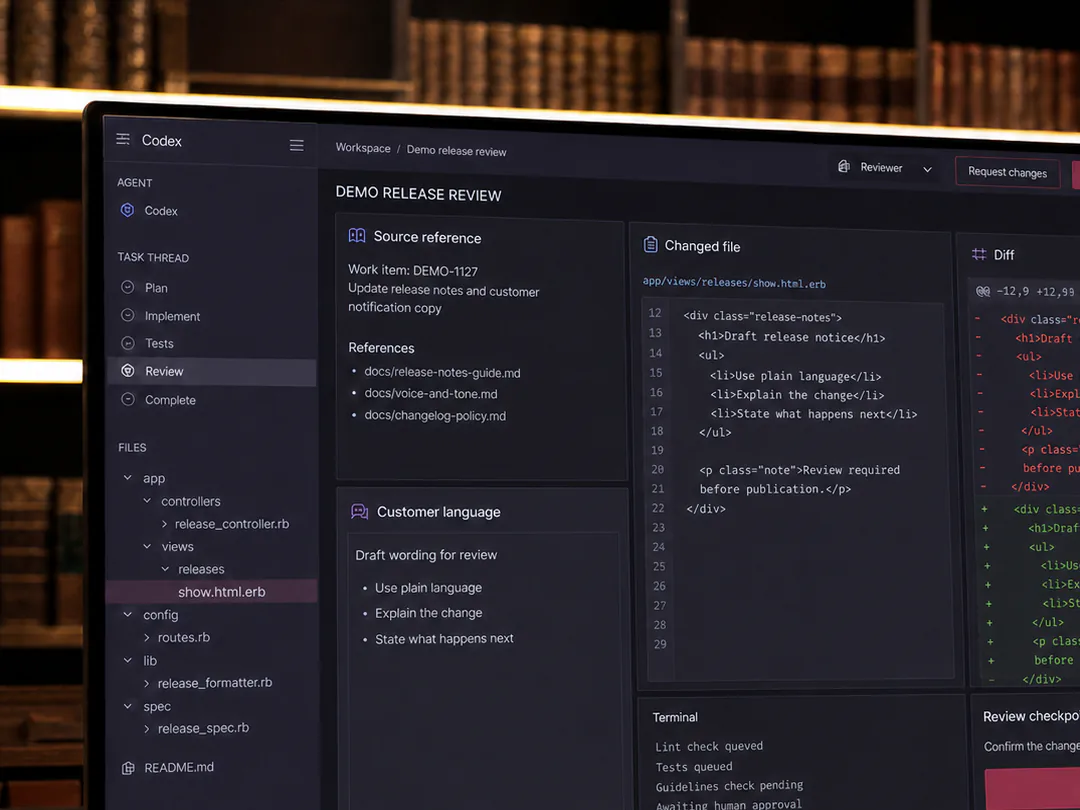
A useful output should show where material came from, which files changed, what assumptions were made and what remains unresolved. I do not treat fluency as proof.
For content work, Google’s people-first guidance also supports a clear principle: automation should help create useful material for people, while substantial AI assistance may need an appropriate explanation rather than being disguised.
Section 05
Control five: place human review at the customer boundary
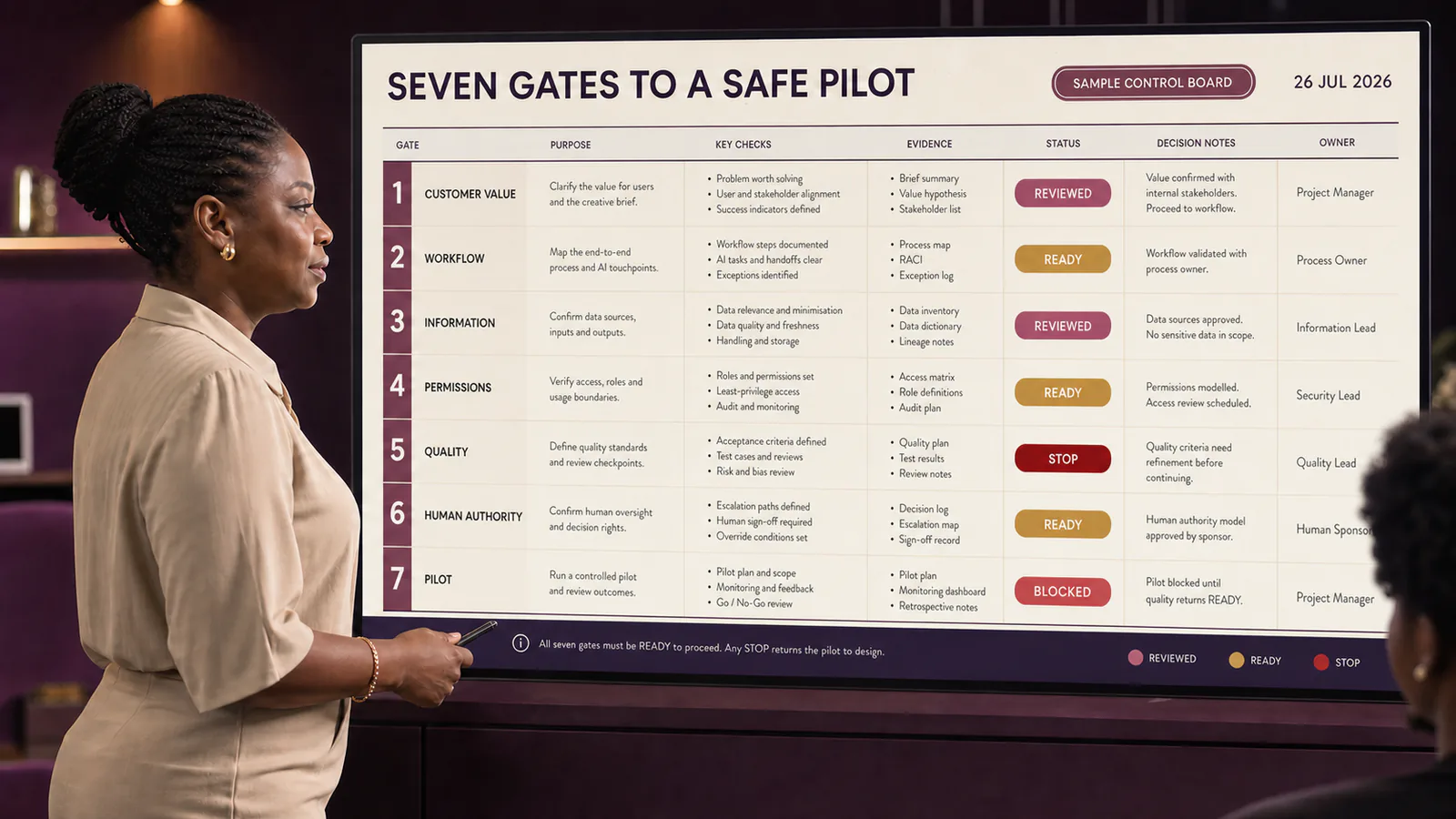
Before a report, presentation, website update, workflow or communication reaches a stakeholder, a named person checks accuracy, relevance, tone, permissions and delivery readiness. The closer the work is to a significant decision, the stronger that review should be.
The human reviewer must be able to reject or revise the result. Approval should not become automatic simply because the agent completed the task.
Section 06
Control six: test the complete result, not only the generated part
A technically correct change can still break a customer journey, omit an accessible alternative or conflict with another asset. I review the connected outcome: links, files, sequence, message, presentation, handoff and intended next step.
Acceptance criteria should reflect the customer’s use of the deliverable, not only whether the agent reported success.
Section 07
Control seven: hand over the work in a reusable form
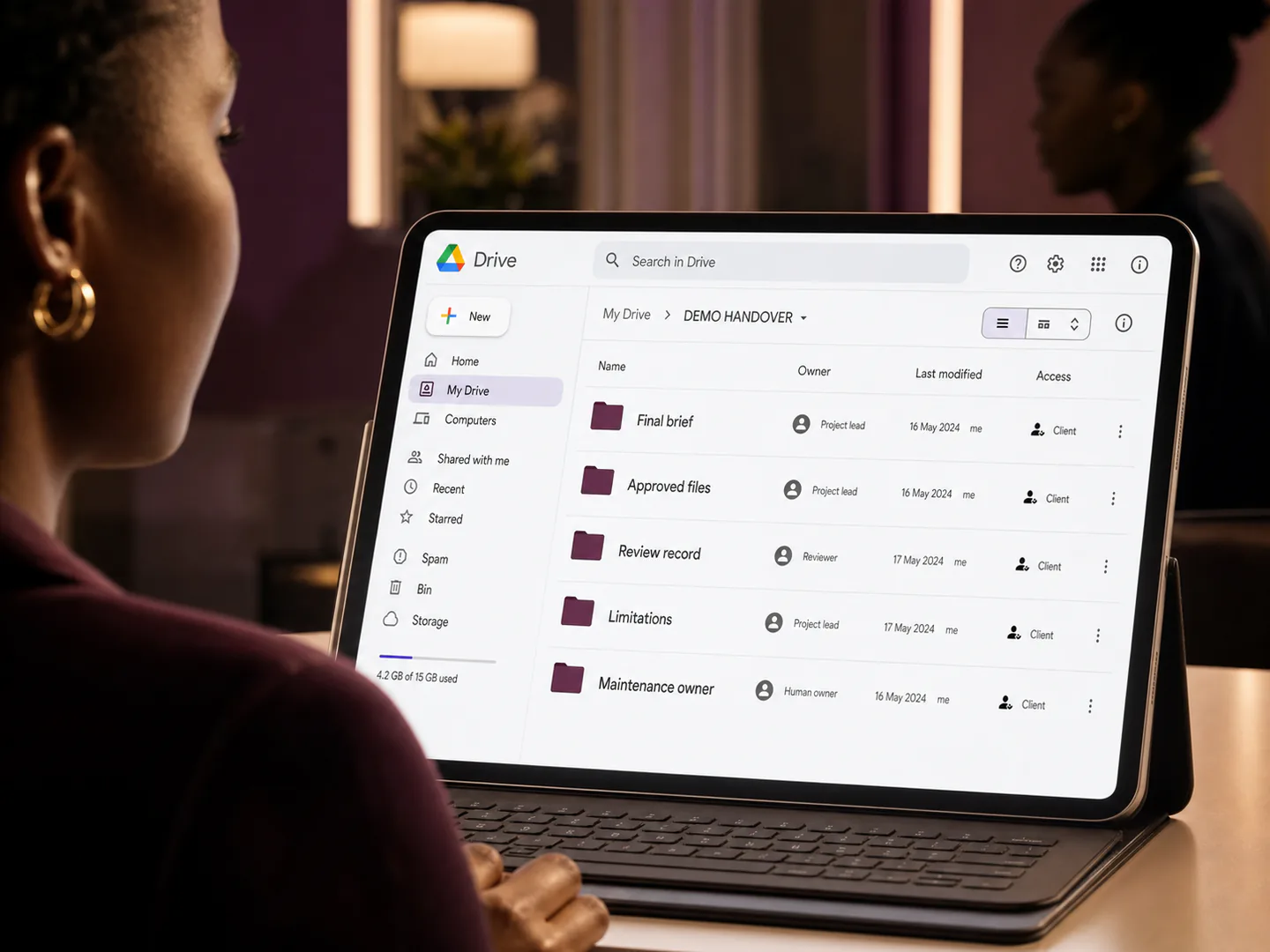
I preserve the final brief, context set, approved instructions, output files, review notes, changes, known limitations and owner for future maintenance. This reduces dependency on one conversation or one person’s memory.
A clean handover also makes it possible to improve the workflow deliberately. The team can see which parts were reliable, which needed correction and where human judgement added the most value.
Turn this insight into an organised next step.
Codex can extend the amount of work a small team can explore and prepare. The customer receives value only when those capabilities are connected to a clear outcome, verified information and accountable release decisions.
When an organisation wants to introduce an agentic tool without turning the project into an uncontrolled experiment, I can help coordinate the work around the people, evidence and delivery standards that still matter.
Start with the short version: the outcome, intended audience, deadline, available assets, stakeholders and the delivery problem that is currently blocking progress.
Sources and related reading
- OpenAI — Codex for (Almost) Everything (16 April 2026) — Codex expanded beyond code generation into longer-running, repeatable work across tools and applications.
- OpenAI — Introducing the Codex App (2 February 2026) — The app introduced supervision of multiple agents, parallel tasks, isolated work and reviewable changes.
- Google Search Central — Creating Helpful, Reliable, People-First Content — Useful content should be created primarily for people; meaningful disclosure can explain substantial automation or AI assistance.