Digital Project Management · 2026-02-09 · 6 min read
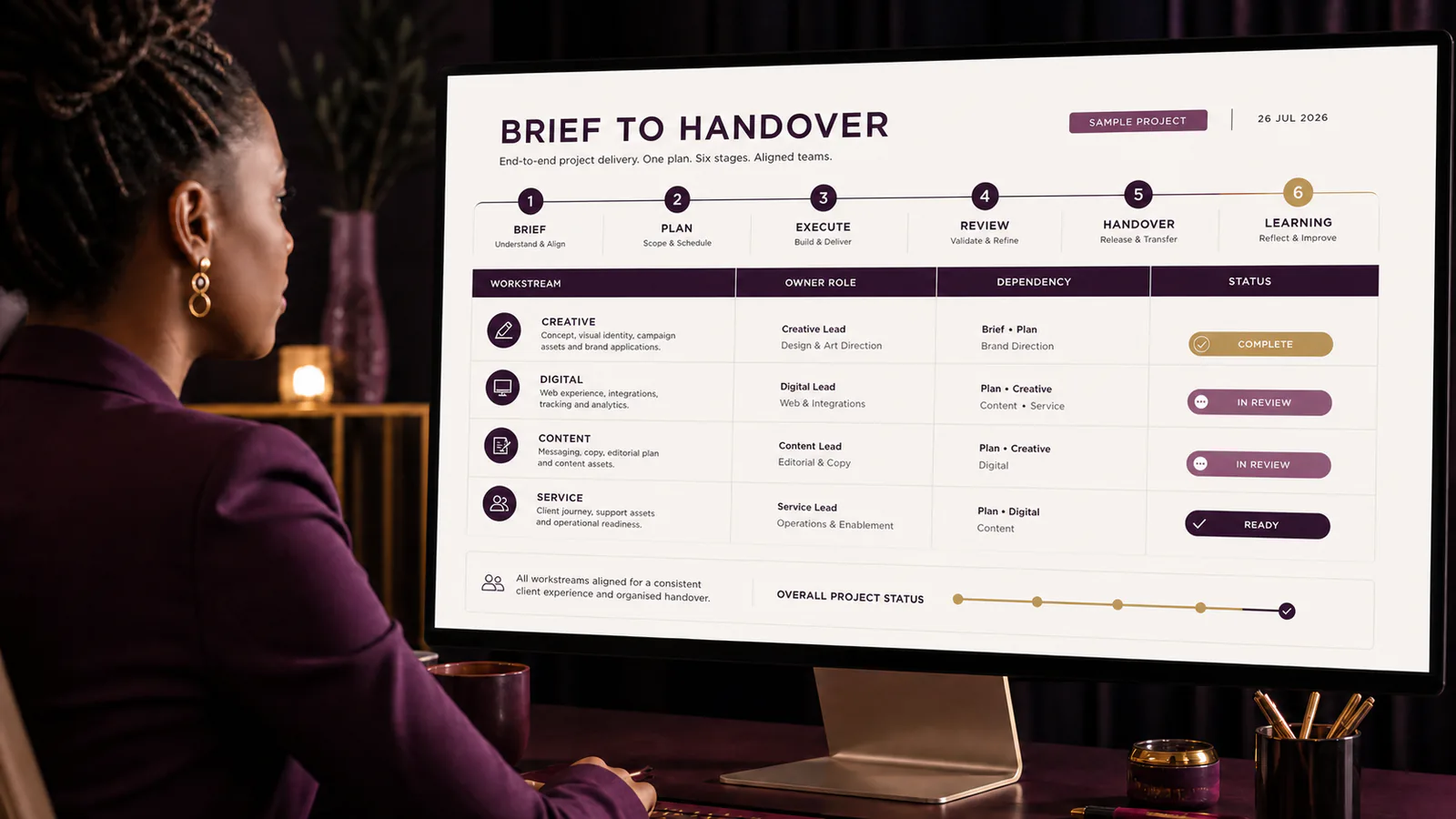
Codex can make digital work more parallel and more continuous. That does not give it authority over the customer promise. The project still needs a bounded brief, reviewable changes and a named human decision-maker.
The Codex app introduced a visible change in how AI-assisted digital work can be organised: several agents can work in parallel, tasks can continue for longer periods and changes can be reviewed from a central interface. For digital teams, that can reduce waiting and increase experimentation.
For a project manager, the important question is not whether Codex can produce code, research or supporting artefacts. The important question is how that work enters the delivery system. What may it access? Which requirement is it solving? Who reviews the change? What evidence proves that the result is ready?
I do not position myself as the software engineer making those technical decisions. My role is to coordinate the brief, contributors, customer expectations, review stages, risks and handover around the work.
Key takeaways
- Codex can accelerate digital execution, but it cannot define the customer outcome on its own.
- Each delegated task needs scope, context, constraints and a responsible reviewer.
- Parallel agent work should remain isolated until people review and integrate it.
- Acceptance criteria must cover customer, content, technical and operational readiness.
- The final handover should explain what changed, what was checked and who approved release.
Section 01
I separate the product requirement from the tool instruction
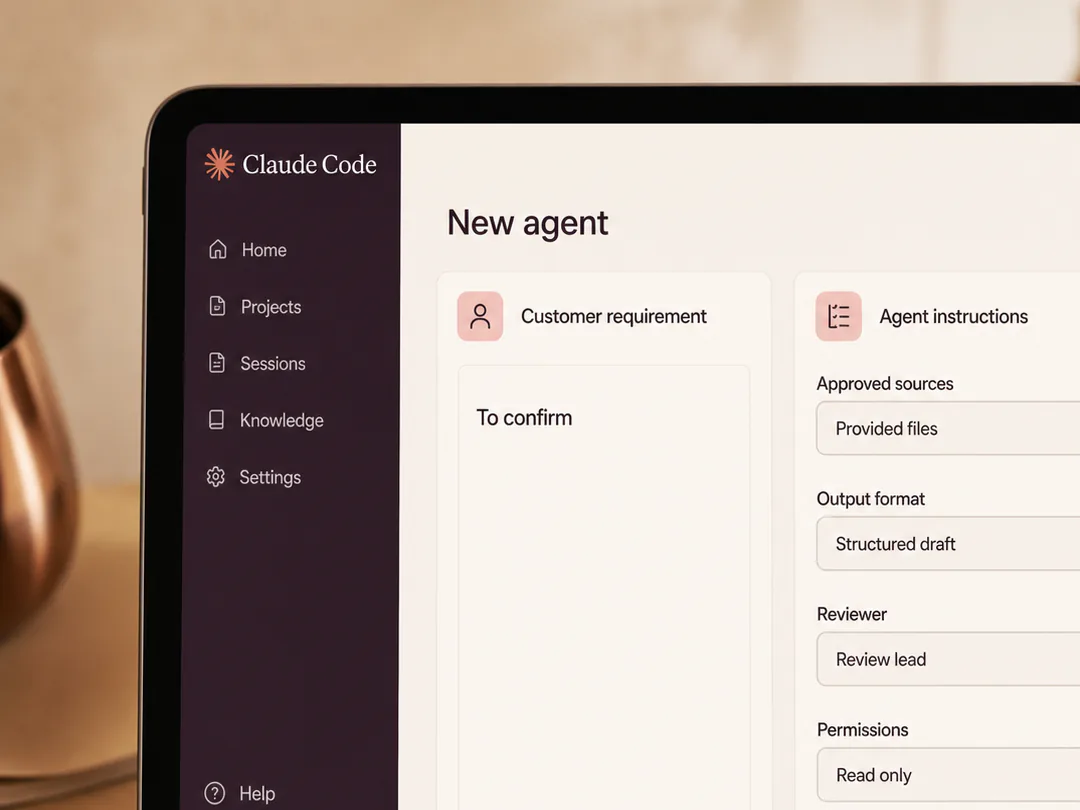
A customer requirement might be “make the enquiry process clearer on mobile.” A tool instruction might ask Codex to inspect a form, propose changes or prepare a test. Those are different layers.
I keep the customer need, intended user and acceptance condition above the technical task. This prevents a technically successful change from being treated as valuable when it does not improve the actual journey.
Section 02
Delegation requires an evidence pack
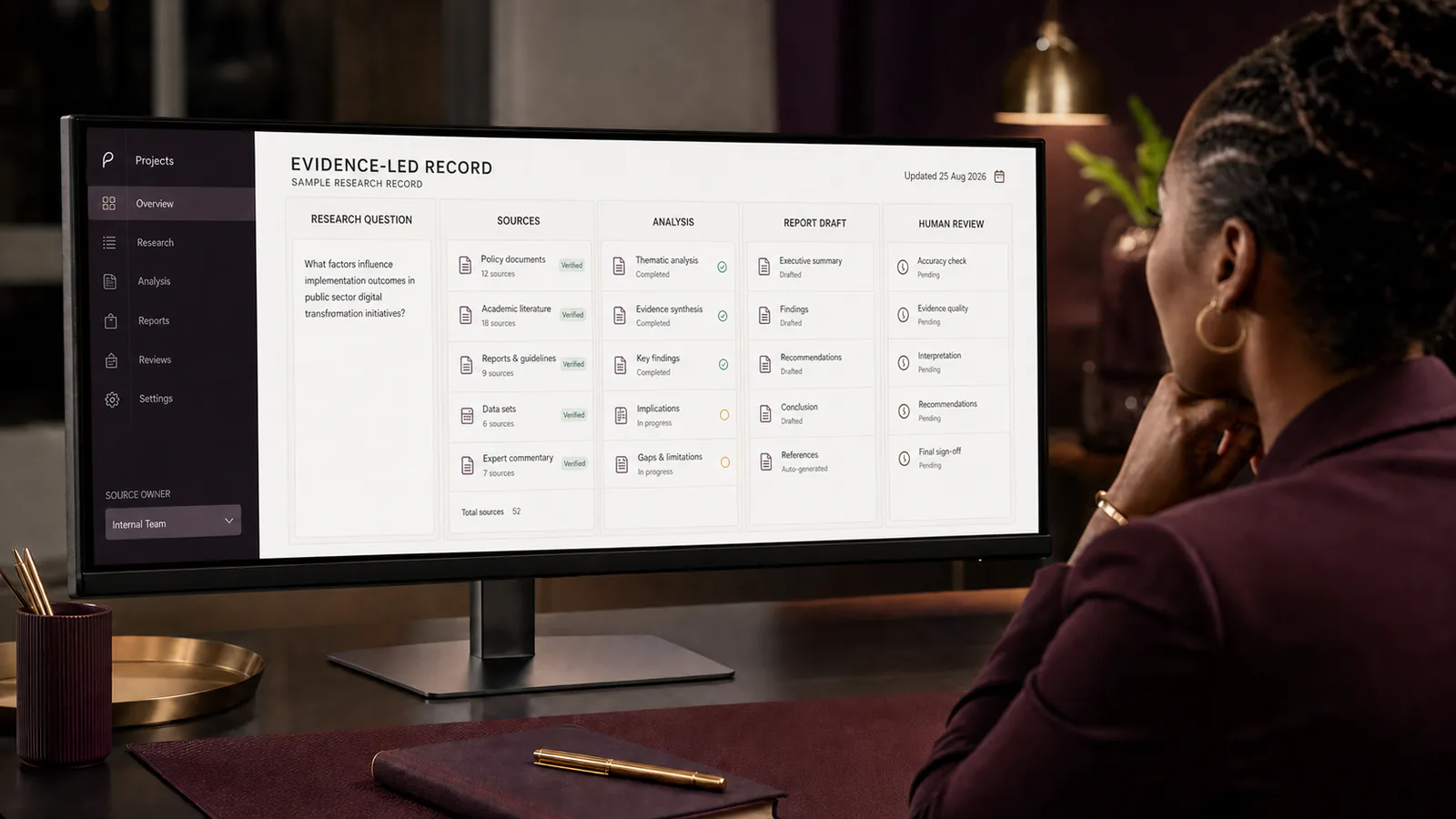
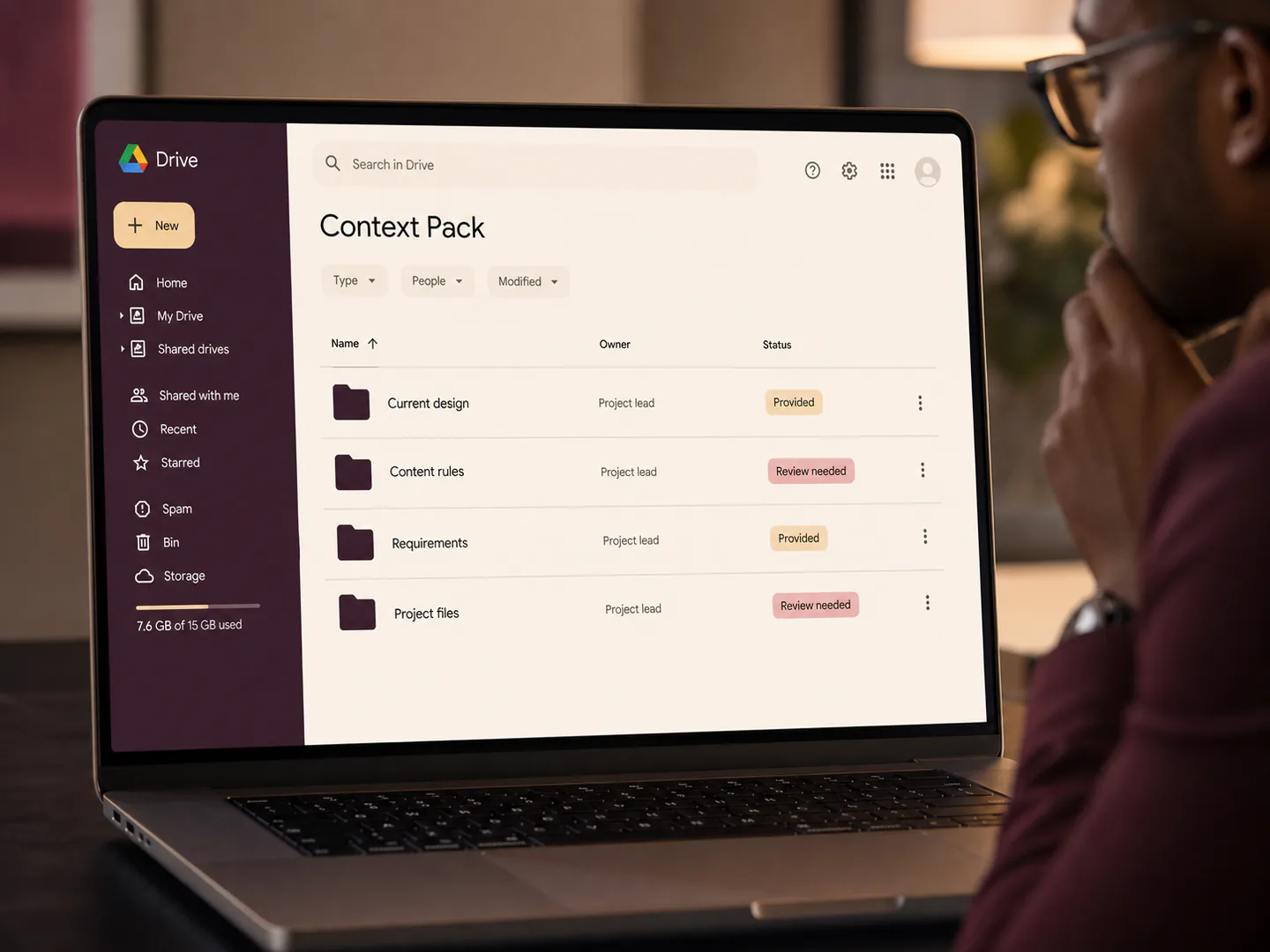
The agent needs the correct project files, approved specifications, design references, content rules and constraints. It should not search across every available folder or infer business rules from outdated material.
I coordinate the source pack with the technical contributors and record which information is authoritative. Good output begins with disciplined context.
Section 03
Parallel work must remain reversible
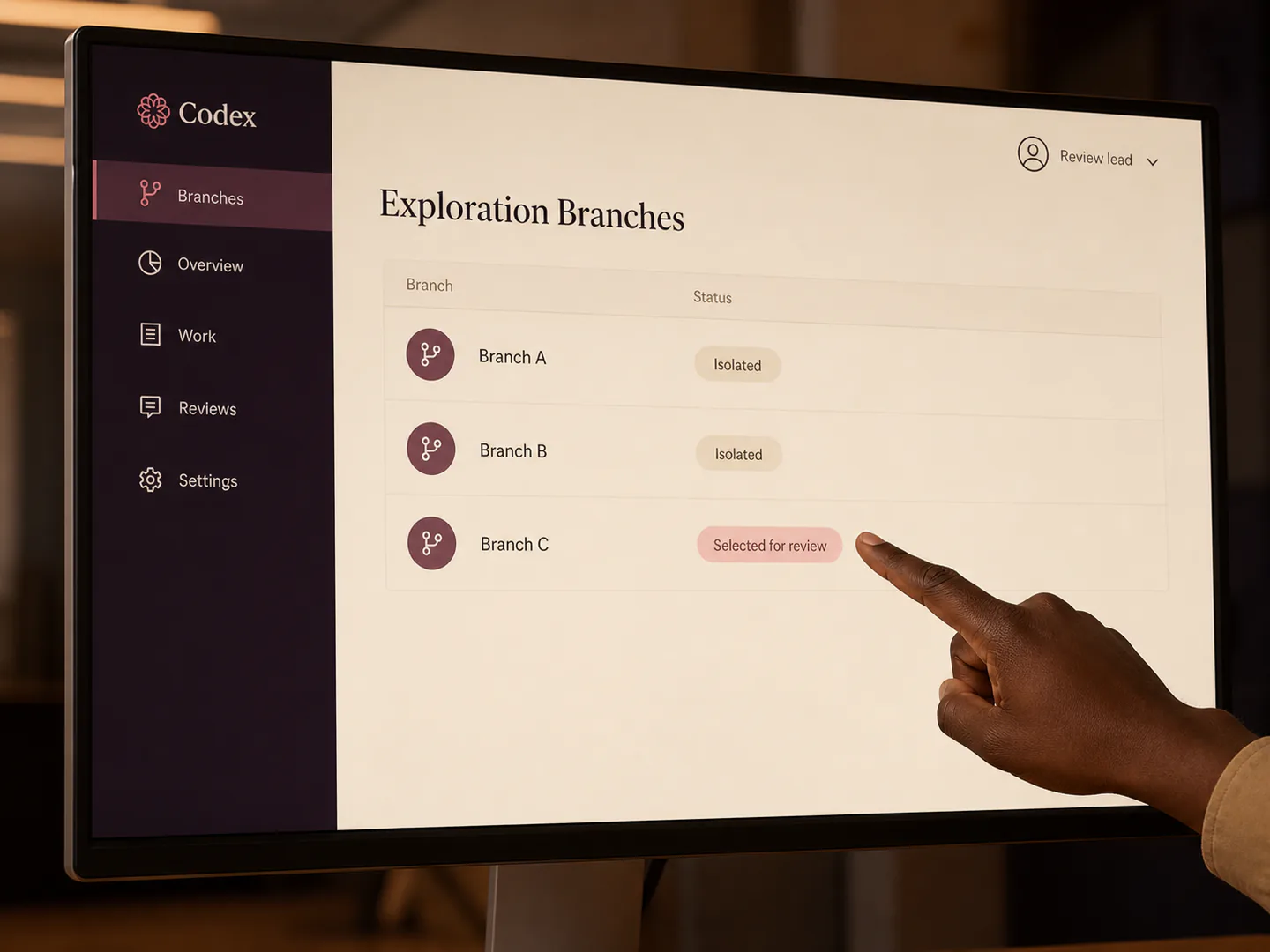
The value of isolated work is that alternatives can be explored without silently changing the approved project. Each thread should have a clear purpose, and the team should be able to compare or discard it without losing the known-good state.
From a project perspective, I track which option is exploratory, which is under review and which has been accepted for integration.
Bring the moving parts into one delivery process.
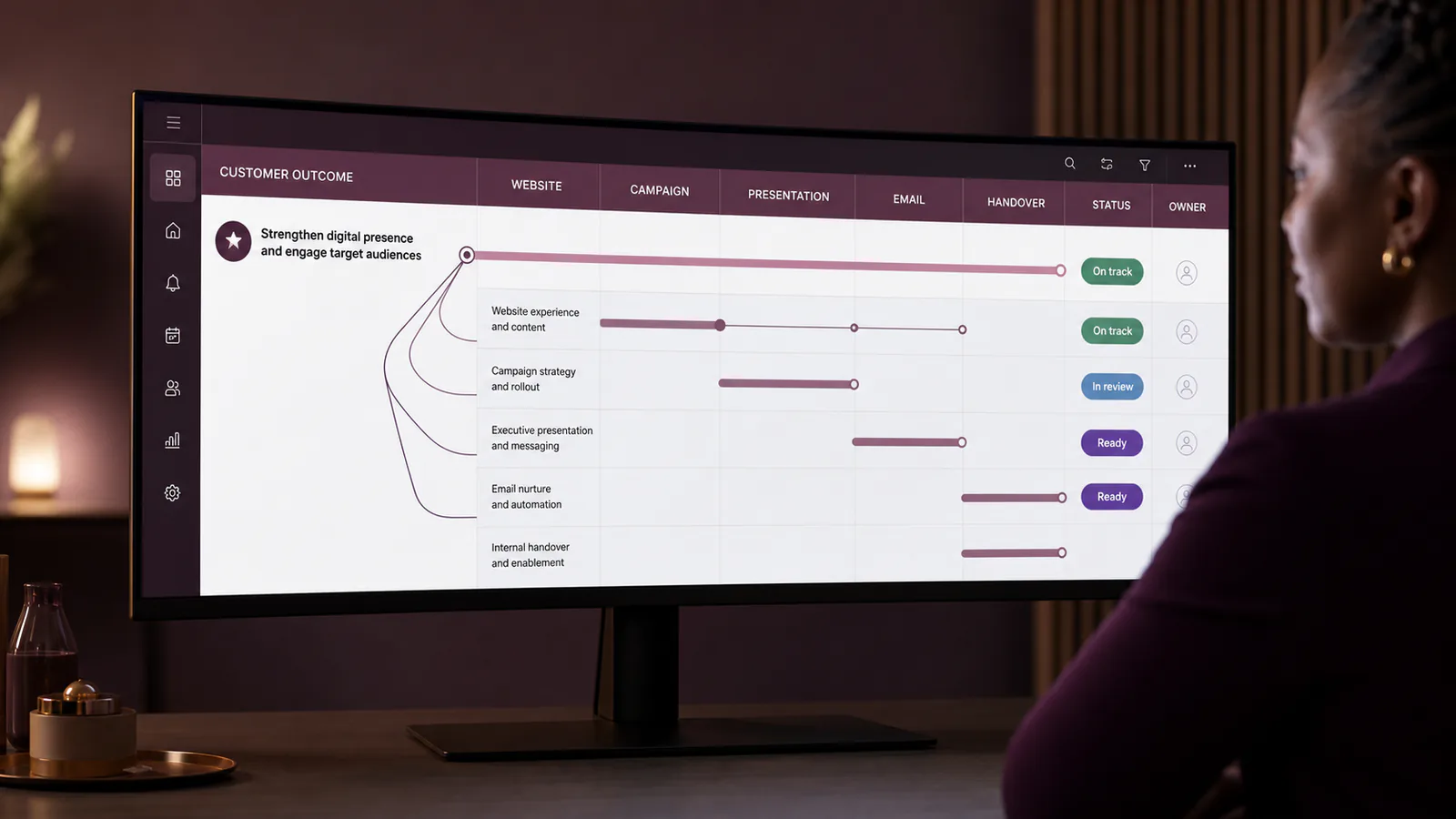
I can coordinate the project layer around Codex-assisted digital work: clarify the customer requirement, organise the source pack, map decisions, schedule review, consolidate evidence and prepare the approval and handover record.
Section 04
Permissions should match the task
An agent that only needs to inspect content should not receive the same authority as one preparing a change. A draft task should not have publishing access. Any request for additional network, file or system access should be deliberate and reviewable.
I make sure the project record shows the requested access, the reason, the approver and any time or environment limit.
Section 05
Review needs more than a clean-looking result
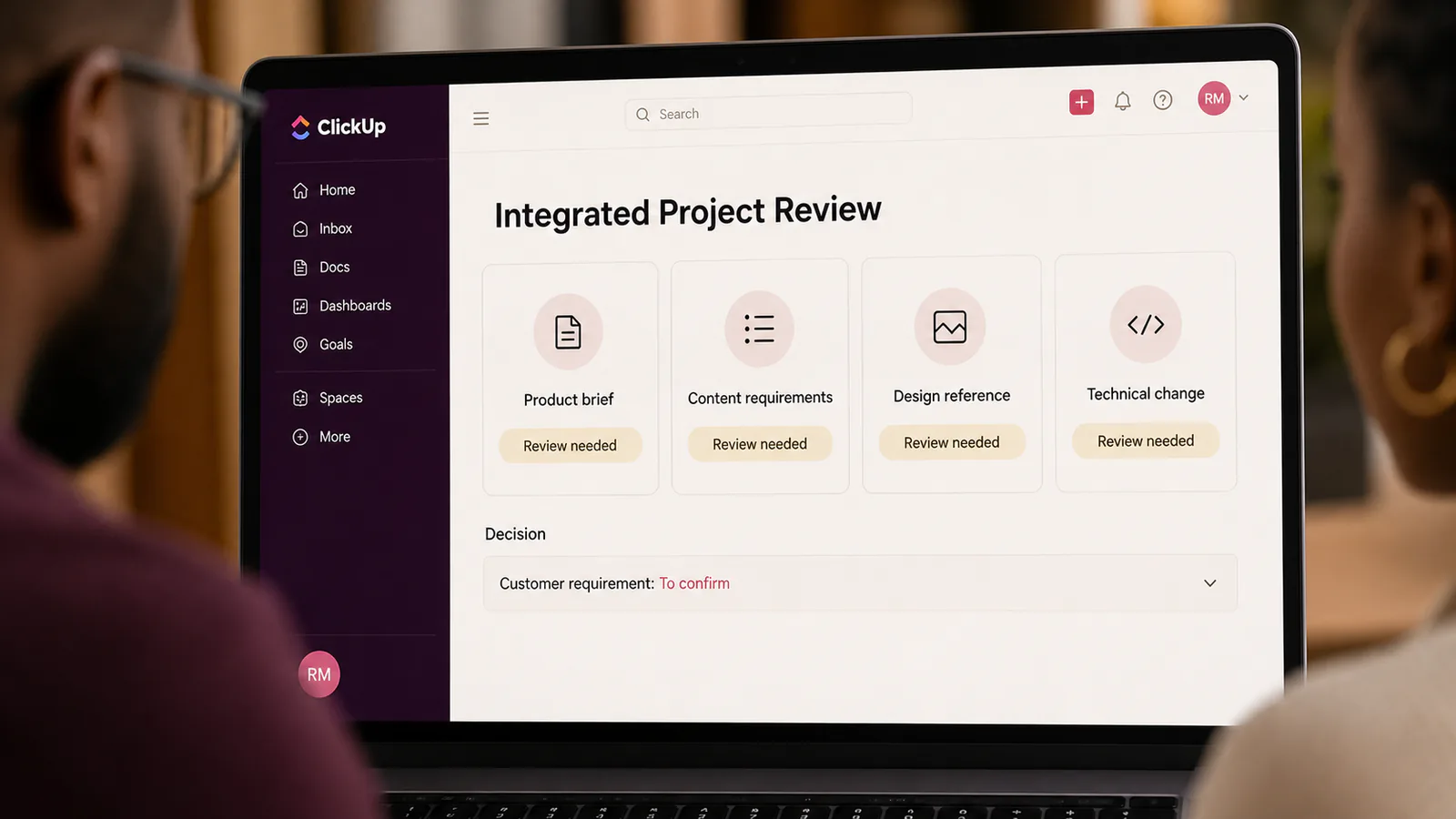
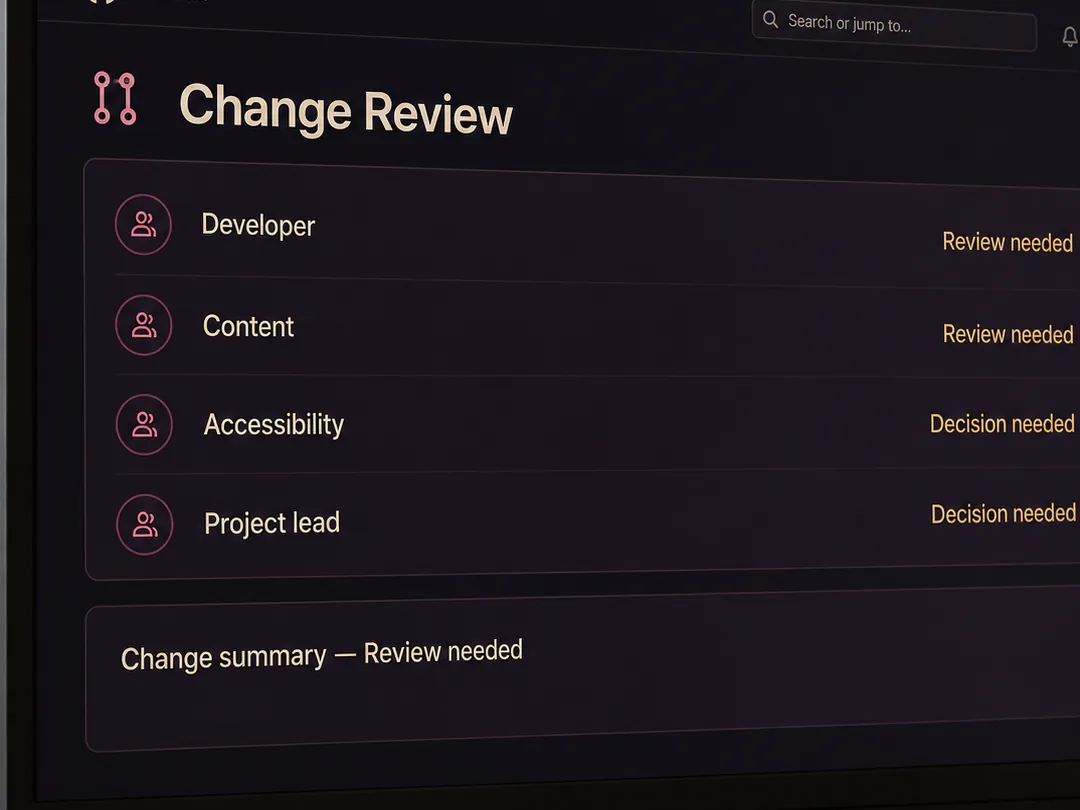
The technical team may inspect functionality, tests, security and performance. The project review also asks whether the customer requirement was met, content remains accurate, accessibility is protected and the change fits the agreed scope.
I coordinate those perspectives so one successful check does not hide a failure elsewhere.
Section 06
Acceptance is a customer decision supported by evidence
A digital change is ready when the agreed criteria are demonstrated in the correct environment, known issues are recorded and the accountable person approves release. The agent does not approve its own work.
I prepare the review material in a form the customer or sponsor can understand: what changed, why, how it was checked, what remains and what decision is required.
Section 07
Handover preserves the reasoning around the change
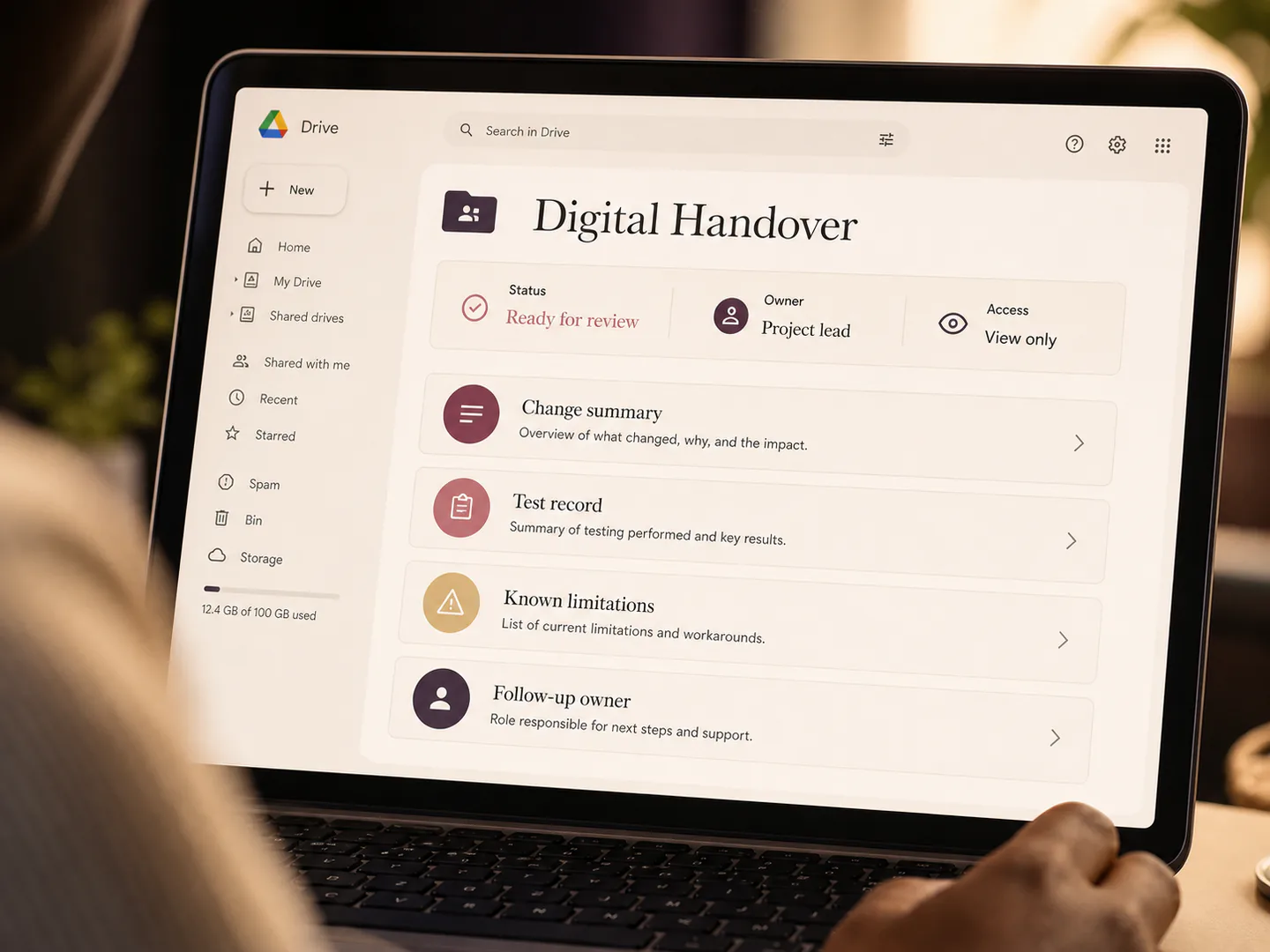
The final package should include approved files or release references, supporting content, test evidence, operational notes, known limitations and ownership for follow-up. This turns an isolated AI-assisted change into maintainable project work.
The customer should not inherit an unexplained output that only the original tool session can interpret.
Turn this insight into an organised next step.
Codex changes the speed and shape of execution. It does not change the need for responsible project delivery. The more work a tool can perform, the more important it becomes to know what it was allowed to do and what people must still decide.
For organisations adopting AI-assisted digital workflows, I help keep the customer promise visible while technical contributors and tools move the implementation forward.
Start with the short version: the outcome, intended audience, deadline, available assets, stakeholders and the delivery problem that is currently blocking progress.
Sources and related reading
- OpenAI — Introducing the Codex App (2 February 2026) — The app introduced supervision of multiple agents, parallel tasks, isolated work and reviewable changes.
- OpenAI — Codex Is Now Generally Available (6 October 2025) — Codex expanded across editor, terminal and cloud, with integrations, an SDK and administrative controls.
- PMI — Step Up: Redefining the Path to Project Success with M.O.R.E. (December 2025) — Project success increasingly depends on ownership, perception management, reassessment and a wider view of value.