AI-Assisted Content · 2026-02-16 · 6 min read
AI may help me research, structure and explore. It does not receive permission to publish, invent evidence or decide what a customer should promise. I keep seven human controls around the content.
Customer-facing content carries more responsibility than its format suggests. A short website paragraph can shape trust. A campaign image can imply who belongs. A presentation statistic can influence a decision. Speed is useful only when the organisation can still stand behind the result.
I use AI-assisted tools for bounded tasks such as research support, idea exploration, information organisation and first-pass structure. Google’s people-first guidance is a useful principle for the complete process: content should exist to help the audience, not merely to create volume or attract a search engine.
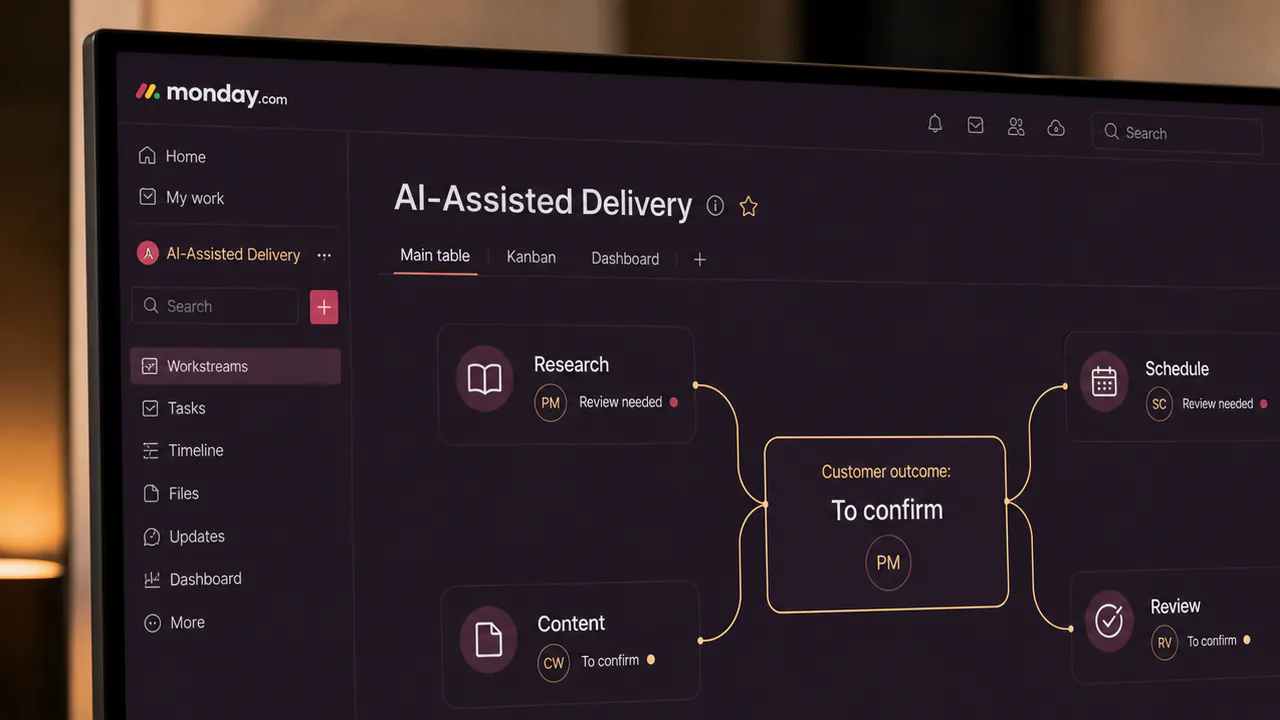
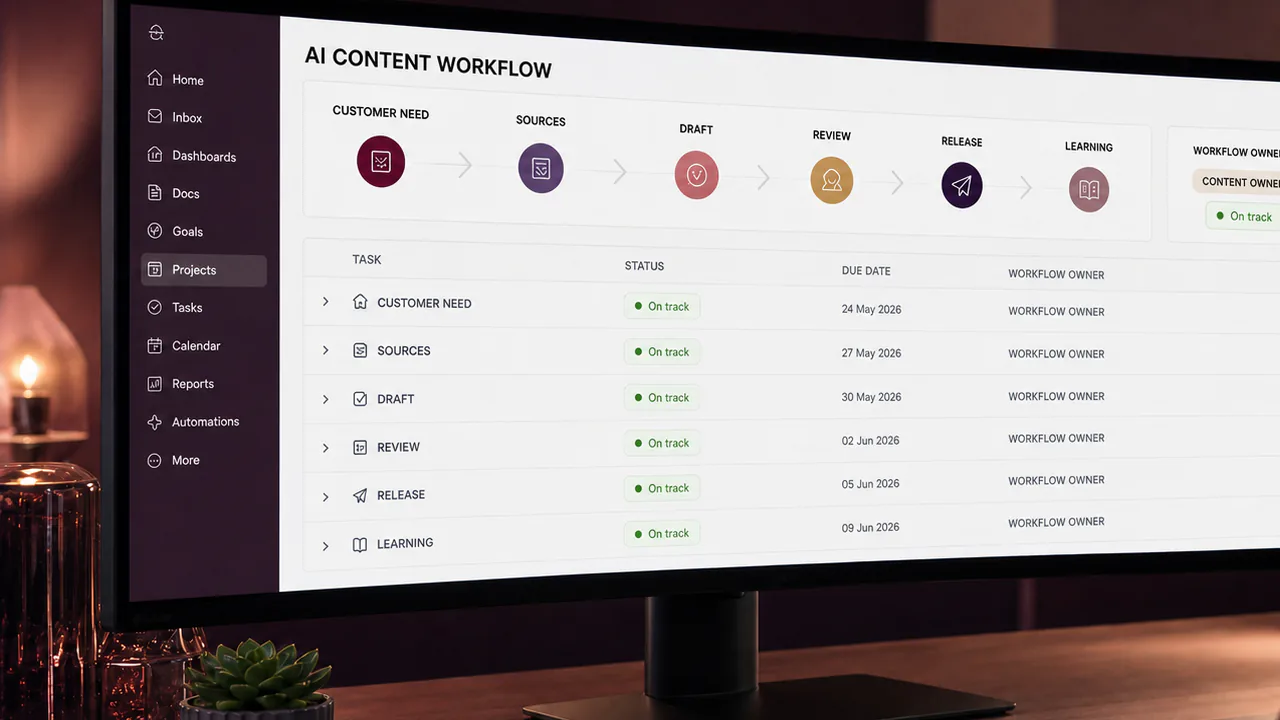
My workflow keeps the human owner visible from brief to approval. AI contributes inside the process; it does not replace the process.
Key takeaways
- The customer objective and approved source pack come before prompting.
- Generated wording is a draft, not evidence.
- Factual, brand, cultural and accessibility reviews are separate checks.
- A named human owner decides whether the content is ready for release.
- The handover records approved versions and any material AI assistance or limitations.
Section 01
Control one: I define the audience and promise
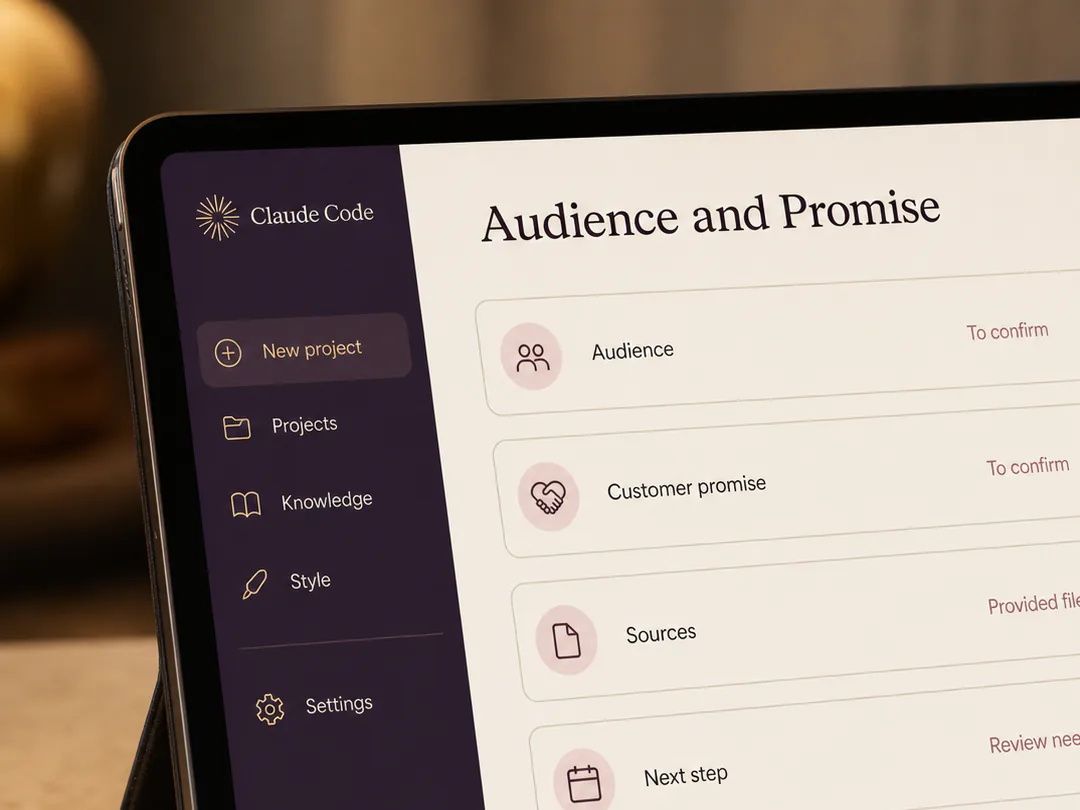
I write a short statement covering the intended audience, the problem or question they have, the action the content should support and the promise the organisation is entitled to make.
This becomes the standard for every generated outline or option. Content that sounds impressive but does not serve that purpose is removed early.
Section 02
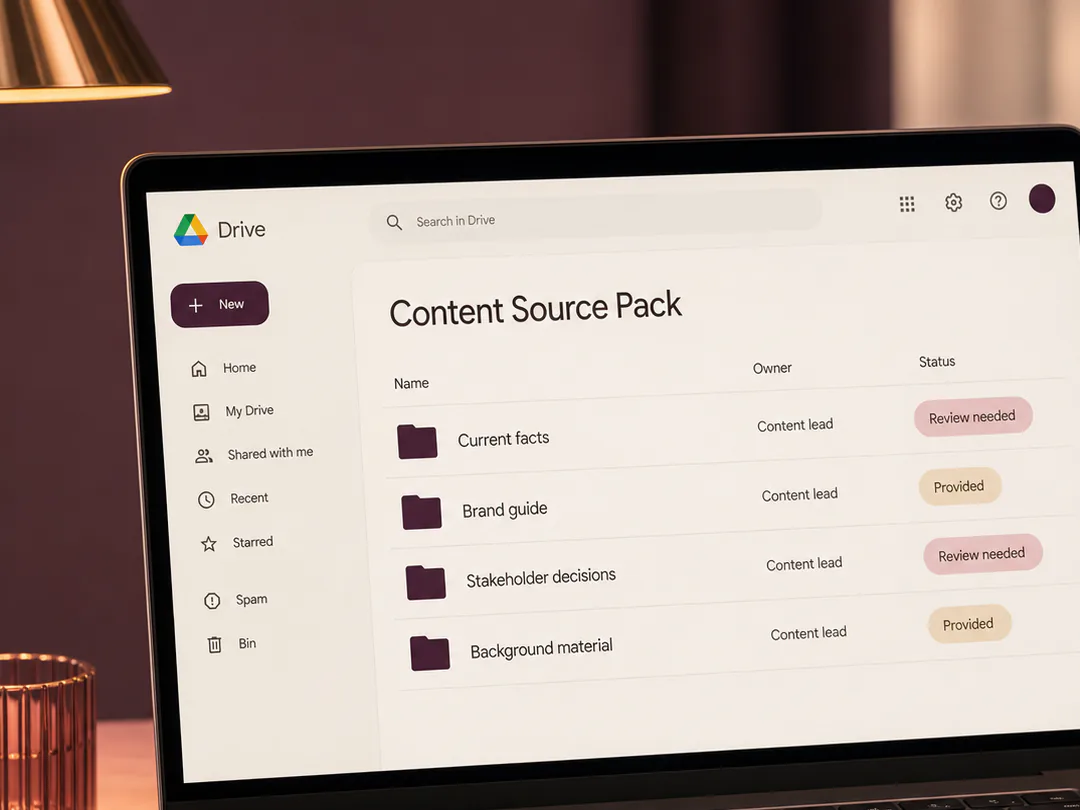
Control two: I prepare an approved source pack
I gather current product information, stakeholder decisions, brand guidance, verified facts, customer insight and any mandatory wording. I distinguish authoritative sources from background material.
The AI task is instructed to work from that pack and identify gaps rather than filling them with plausible invention.
Section 03
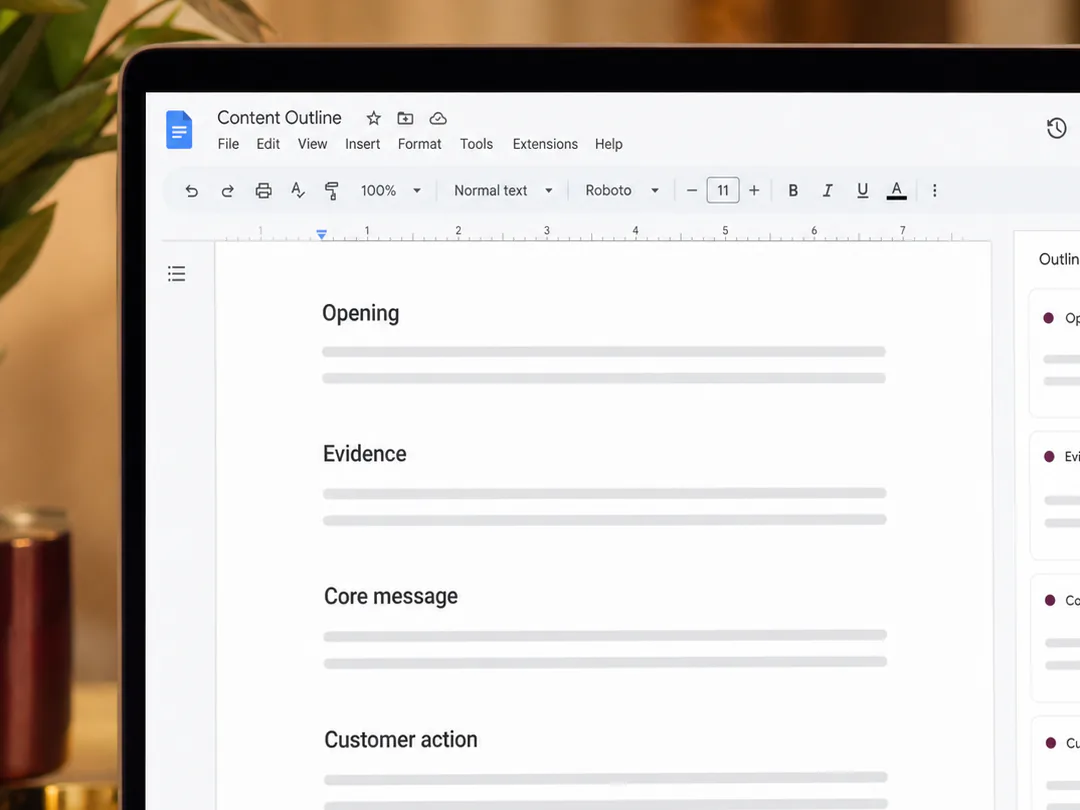
Control three: I ask for structure before polish
I use AI first to organise themes, questions, content hierarchy or alternative approaches. That makes assumptions easier to inspect than a polished final draft.
Once the structure is approved, selected sections can move into drafting. This staged approach reduces wasted review and keeps the team focused on meaning before style.
Bring the moving parts into one delivery process.
I can establish a human-supervised content workflow for a website, campaign, presentation or multimedia project, including source control, structured review, accessibility checks, approval and organised handover.
Section 04
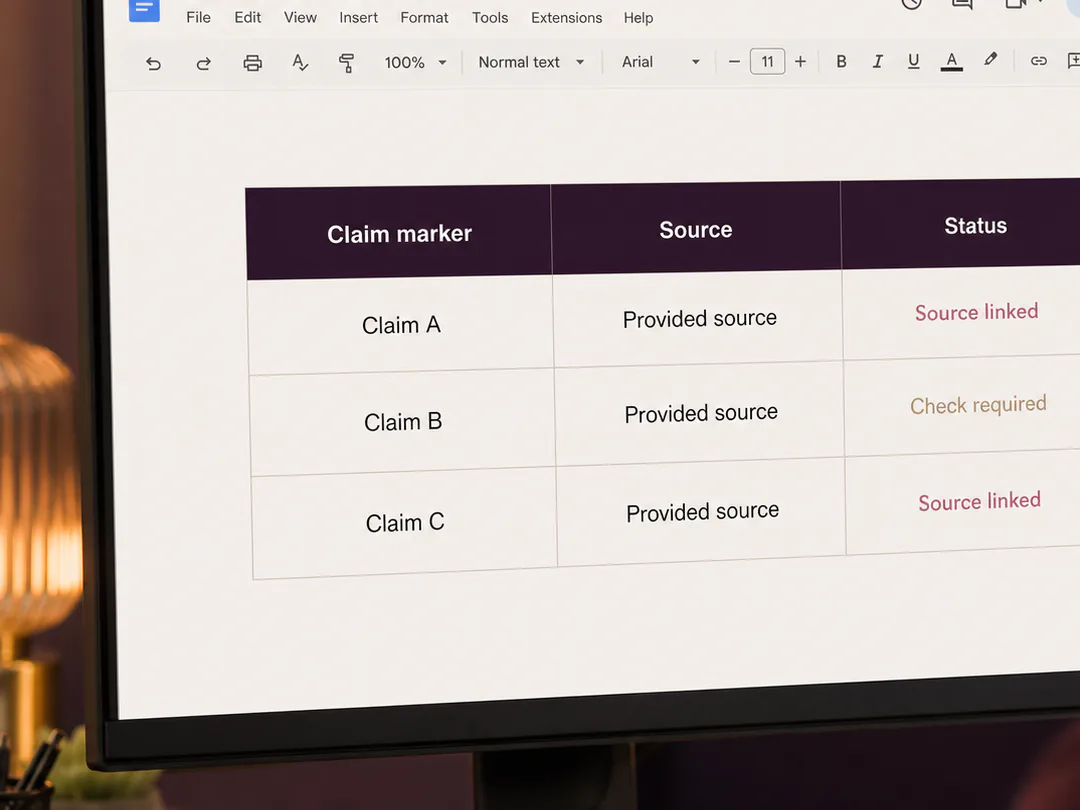
Control four: I verify every material claim
Names, dates, statistics, qualifications, product features, quotations and legal or medical implications require direct verification. Generated text cannot cite itself.
Where evidence is uncertain, I remove the claim, qualify it clearly or return to the responsible stakeholder for confirmation.
Section 05
Control five: I review brand, culture and audience fit
The content must sound like the organisation, respect the people represented and make sense in the audience’s context. I check tone, assumptions, language, casting and whether the creative direction relies on generic stereotypes.
This review is human because relevance is not a keyword match. It depends on judgement and knowledge of the actual relationship the brand wants to build.
Section 06
Control six: I check accessibility and format
I review heading structure, plain language, captions, transcripts, alt text, colour contrast, reading order and mobile use as appropriate to the channel. WCAG’s perceptible, operable, understandable and robust principles provide a durable frame.
Accessibility is not a separate version for “other” people. It is part of making the message available and usable.
Section 07
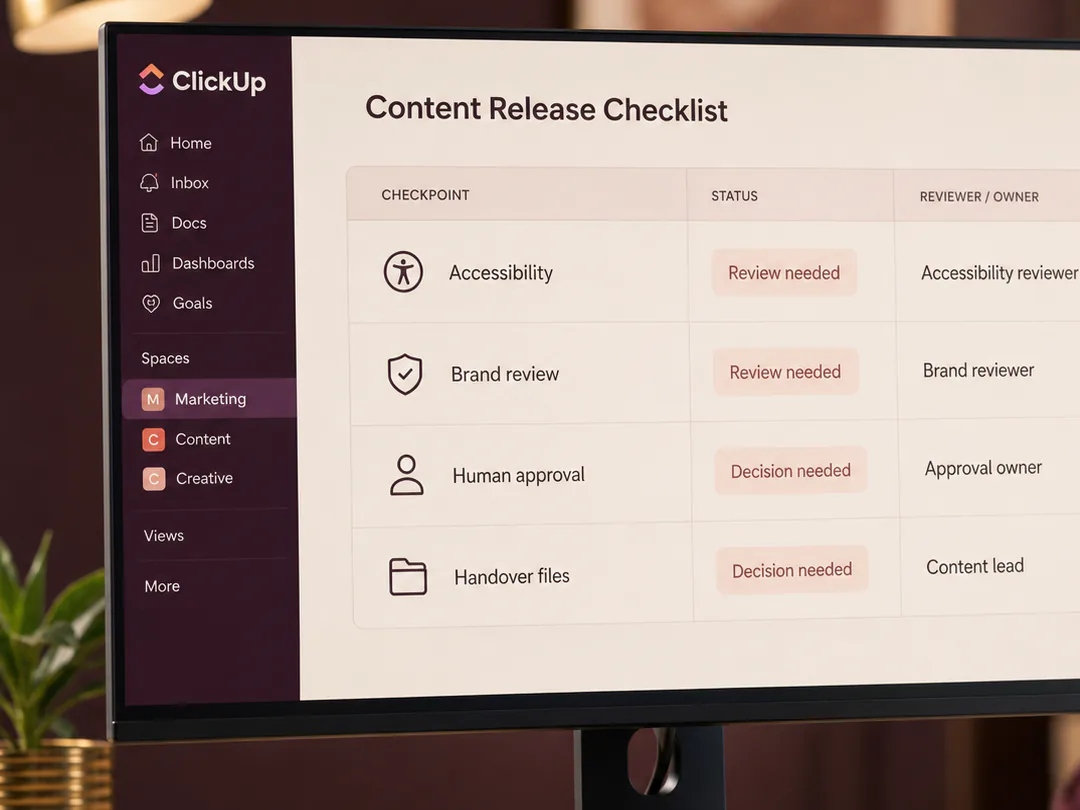
Control seven: I record approval and handover
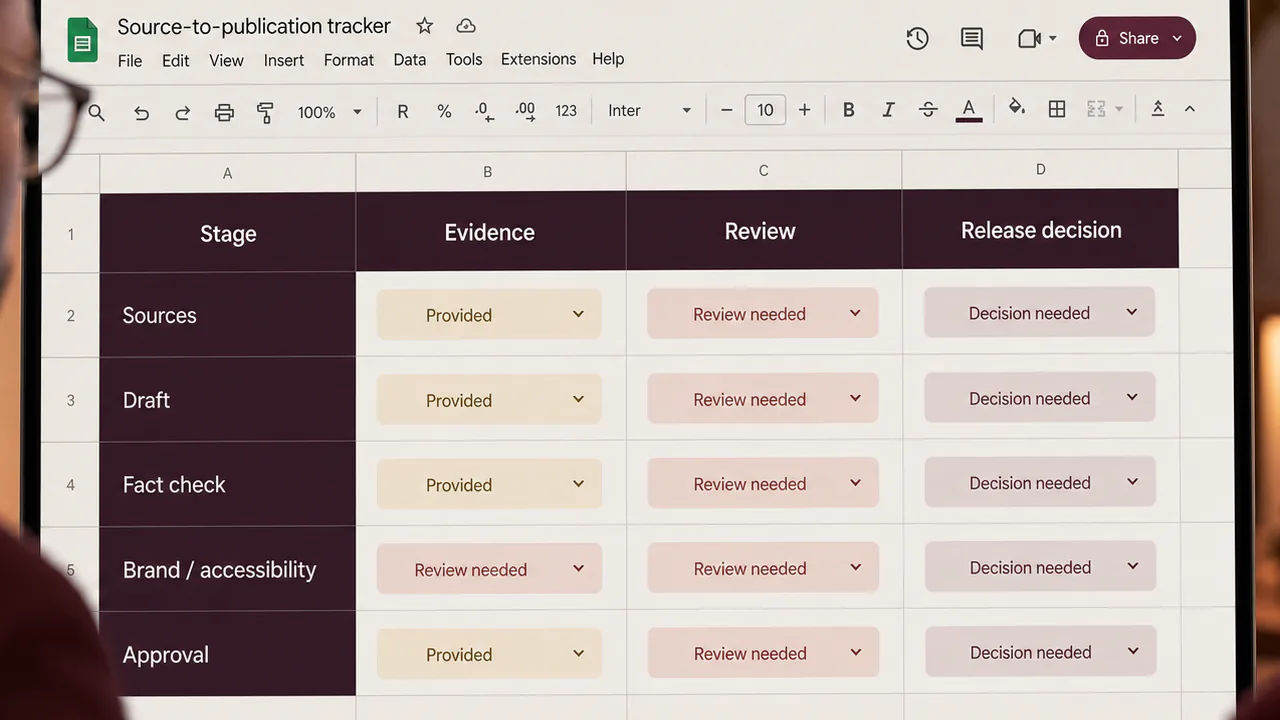
The final content is approved by a named person against the brief. I separate working drafts from final files, record source links and provide any usage or adaptation notes the next team will need.
Where the method of creation may matter to trust, rights or policy, the project should also record the material role AI played.
Turn this insight into an organised next step.
The objective is not to make AI invisible. It is to make human responsibility unmistakable. The organisation should know why the content exists, what evidence supports it and who decided it was suitable for the audience.
When a team is producing faster but struggling to maintain tone, accuracy or review discipline, I can help build a practical workflow around the tools already in use.
Start with the short version: the outcome, intended audience, deadline, available assets, stakeholders and the delivery problem that is currently blocking progress.
Sources and related reading
- Google Search Central — Creating Helpful, Reliable, People-First Content — Useful content should be created primarily for people; meaningful disclosure can explain substantial automation or AI assistance.
- W3C — Web Content Accessibility Guidelines (WCAG) 2.2 Overview — WCAG organises accessible content around perceptible, operable, understandable and robust experiences.
- Adobe — 2026 Creative Trends Forecast — The forecast emphasises emotional connection, multisensory work, experimentation, authenticity and local cultural relevance.