Creative Project Management · 2026-05-04 · 6 min read
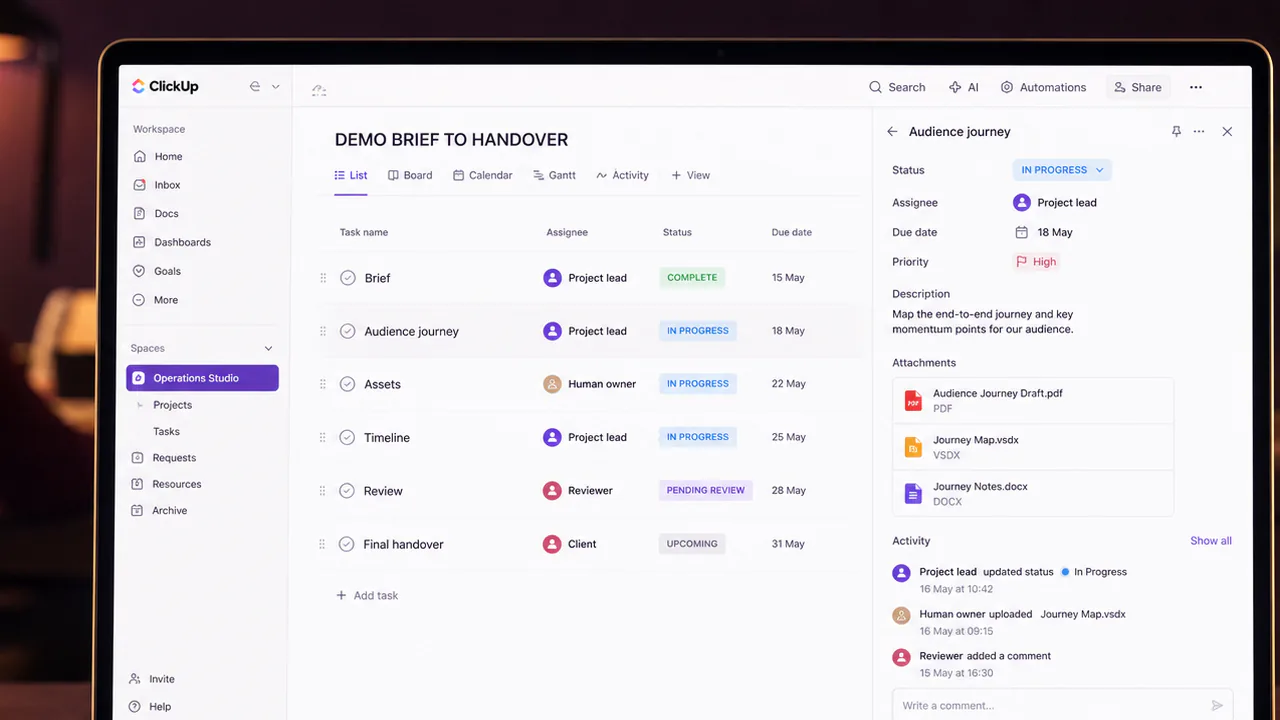
Creative teams do not need more administration around the work. They need someone who can translate the business need, keep the moving parts visible and protect the final customer experience.
Creative projects sit between different professional languages. A client speaks about growth or reputation. A strategist speaks about audience and message. A designer, writer, editor or digital contributor speaks about the material required to build the work. An approver may focus on risk, timing or brand consistency.
The creative project manager connects those perspectives without flattening the creative process. In 2026, that role also includes supervising AI-assisted preparation, organising an increasing volume of assets and keeping customer-facing work coherent across channels.
I describe the role through three responsibilities: translator, coordinator and quality owner. Each one exists to help the customer receive a result that is useful, recognisable and ready for its intended purpose.
Key takeaways
- The creative project manager translates business expectations into a usable creative brief.
- Coordination covers people, decisions, assets, dependencies, reviews and delivery—not only dates.
- Creative freedom works better when scope and decision rights are clear.
- Quality ownership connects accuracy, audience relevance, brand, accessibility and technical readiness.
- The project ends with an approved, organised and maintainable handover.
Section 01
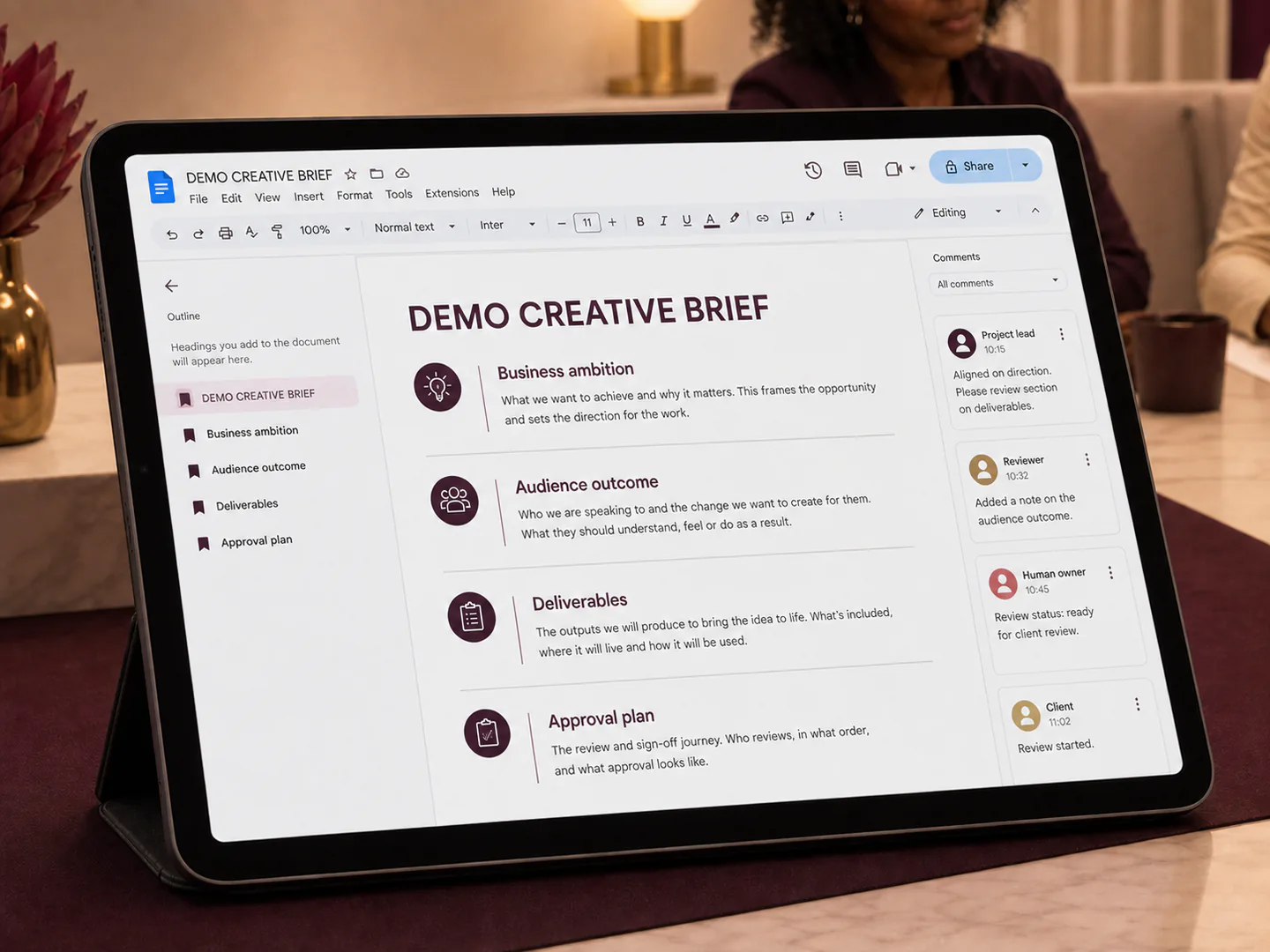
As translator, I turn ambition into a clear problem
A request such as “make the brand more visible” is not yet a deliverable. I ask which audience matters, what they currently believe or do, what should change and which customer moment the work must support.
I then convert the answer into a brief with an outcome, message hierarchy, formats, constraints, evidence and acceptance criteria. Contributors receive a real problem to solve rather than a vague instruction to produce content.
Section 02
I translate creative needs back to stakeholders
The translation moves in both directions. I explain why the team needs source material, review time, platform specifications, rights clearance or a decision before production can continue.
This protects the customer from hidden delivery risk and helps stakeholders understand the effect of delayed information or a late change.
Section 03
As coordinator, I organise the complete delivery chain
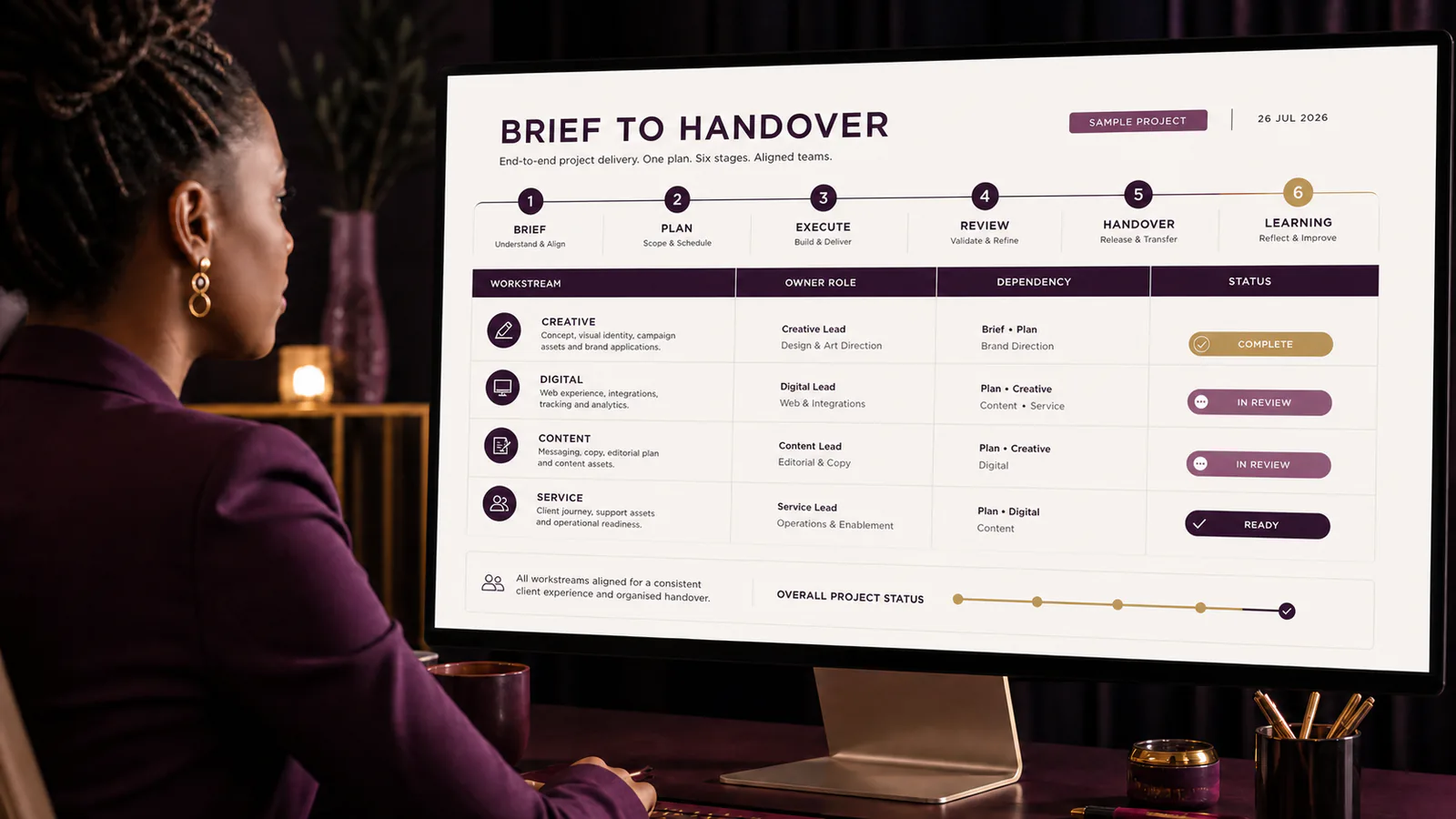
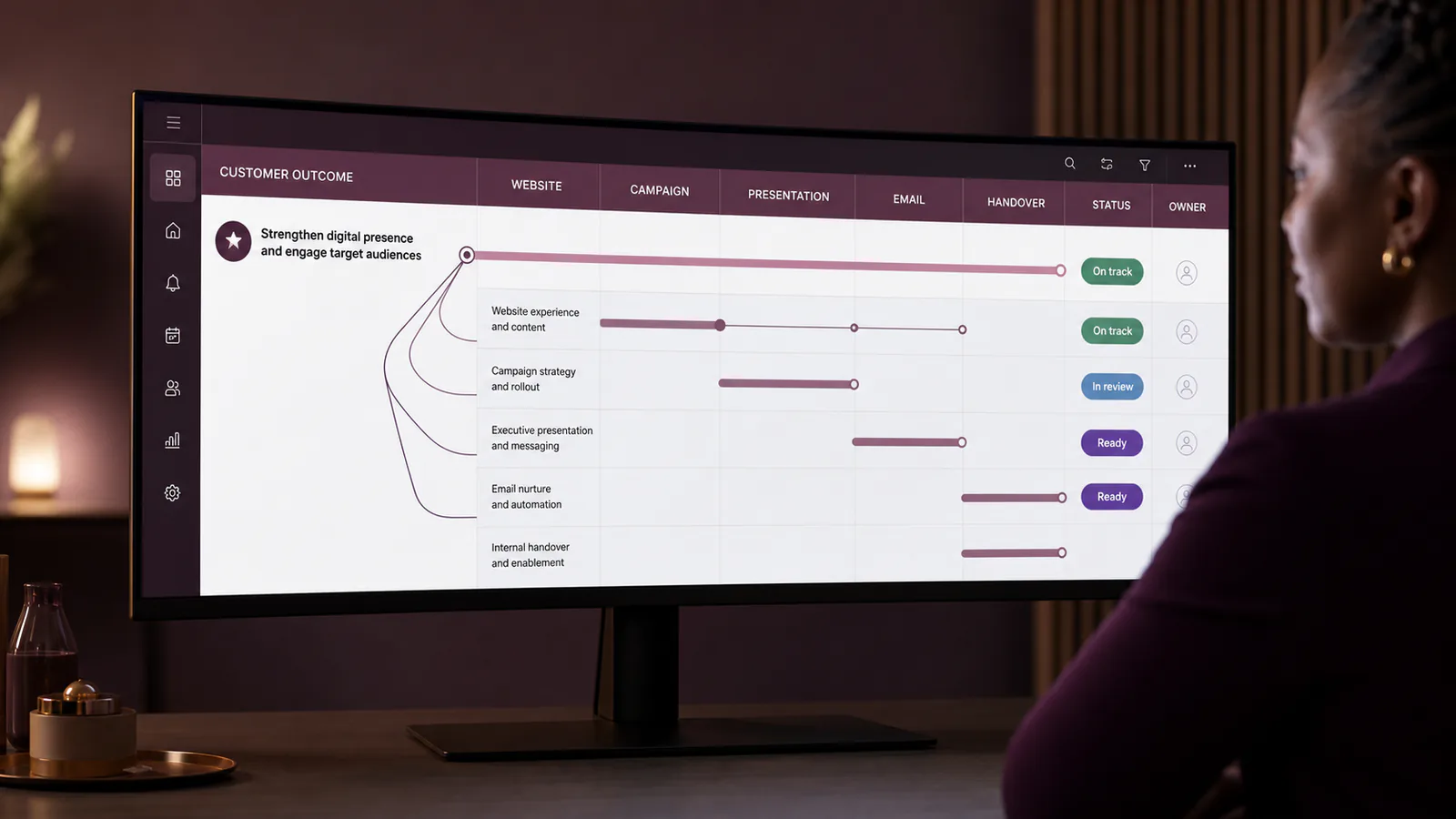
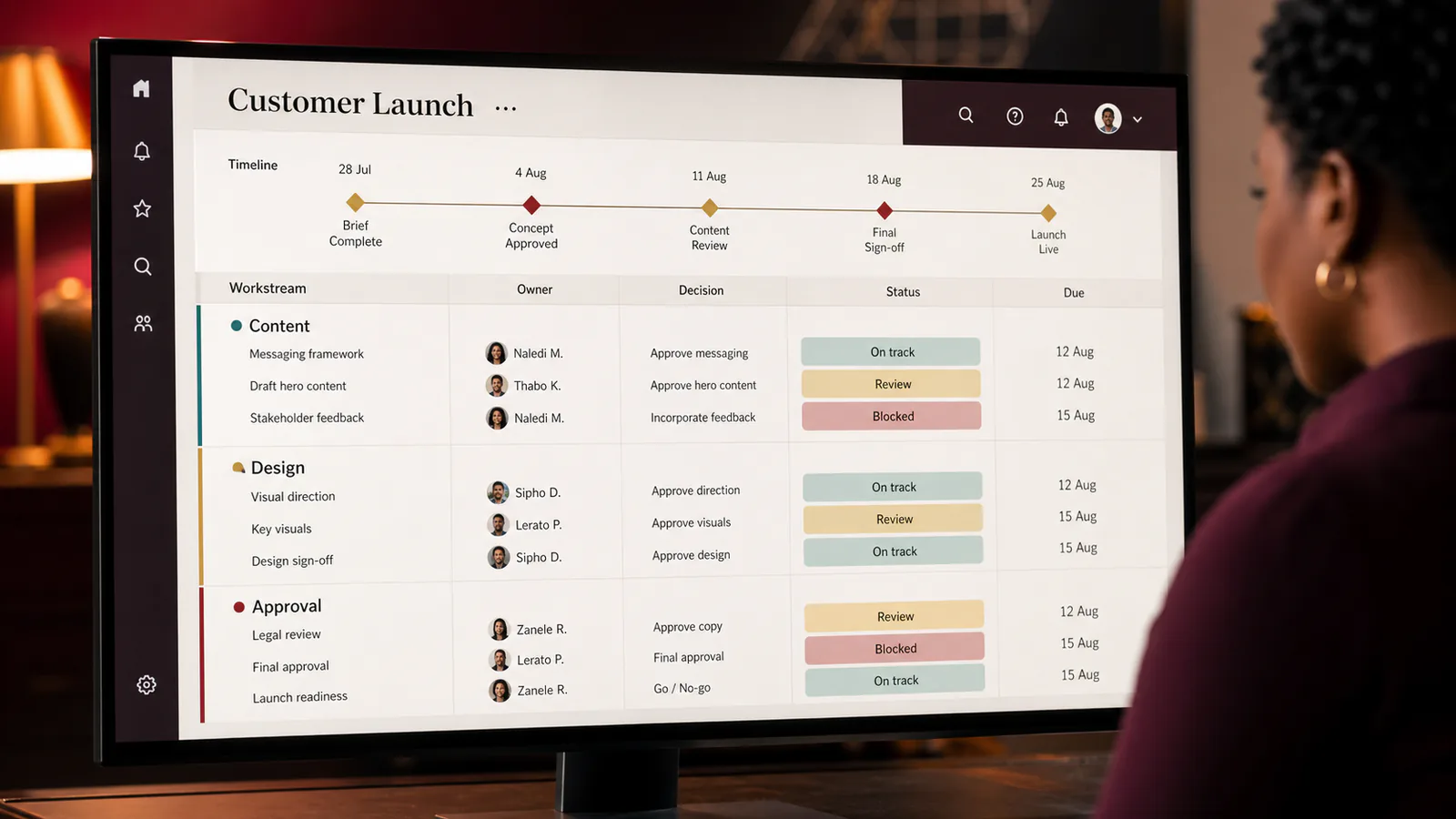
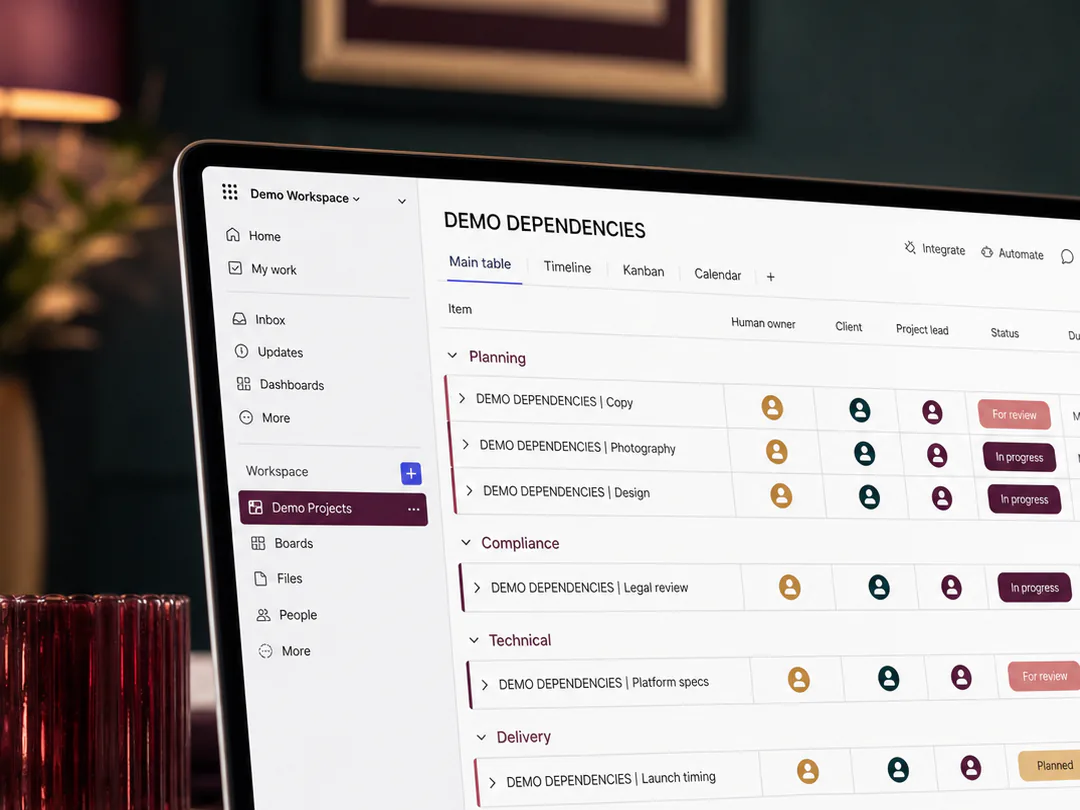
I map the contributors, assets, milestones, dependencies, review stages and final destinations. A campaign asset may depend on approved copy, photography, legal wording, platform dimensions and a launch date controlled by another team.
Making those connections visible prevents isolated progress from being mistaken for overall readiness.
Bring the moving parts into one delivery process.
I can lead or support a creative project from requirements clarification through work planning, contributor coordination, review control, quality assurance and organised final handover—while understanding the content being delivered.
Section 04
I create enough structure without managing creativity out of the work
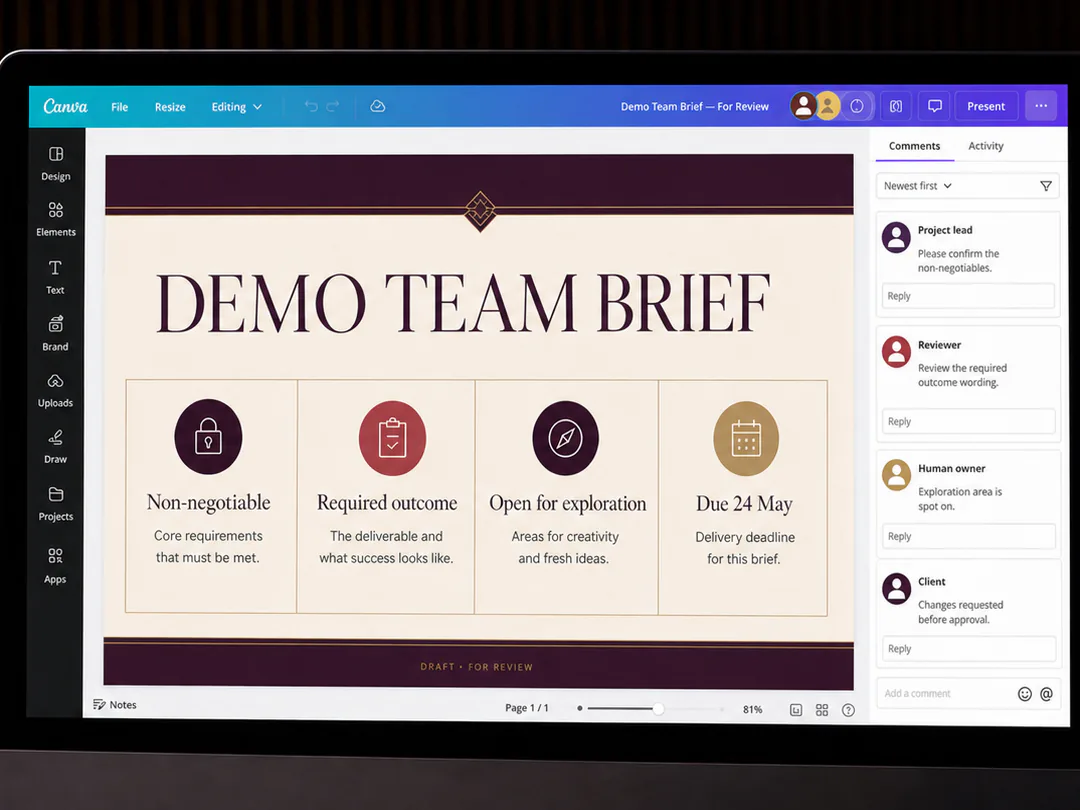
The project needs clear outcomes, boundaries and decisions, but contributors also need room to explore and apply professional judgement. I separate the non-negotiable requirements from the areas where the team may propose alternatives.
That balance reduces random revision while preserving the thinking that makes creative work distinctive.
Section 05
As quality owner, I define the release standard early
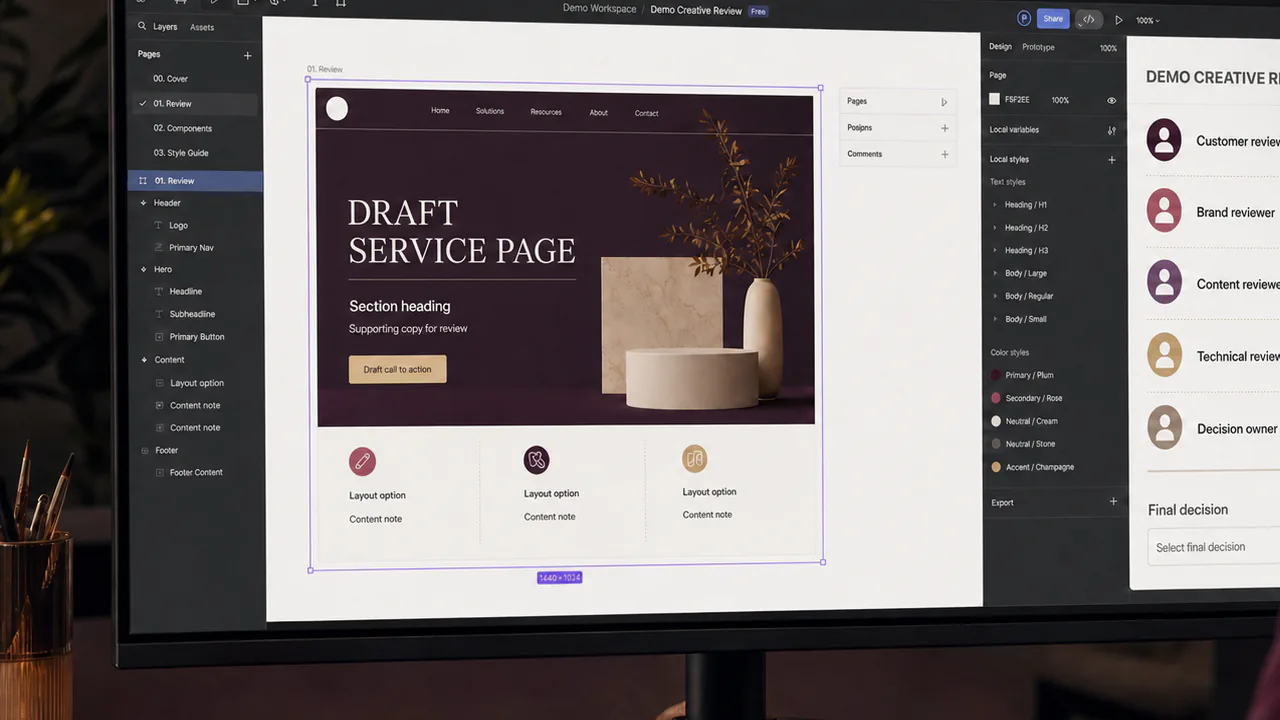
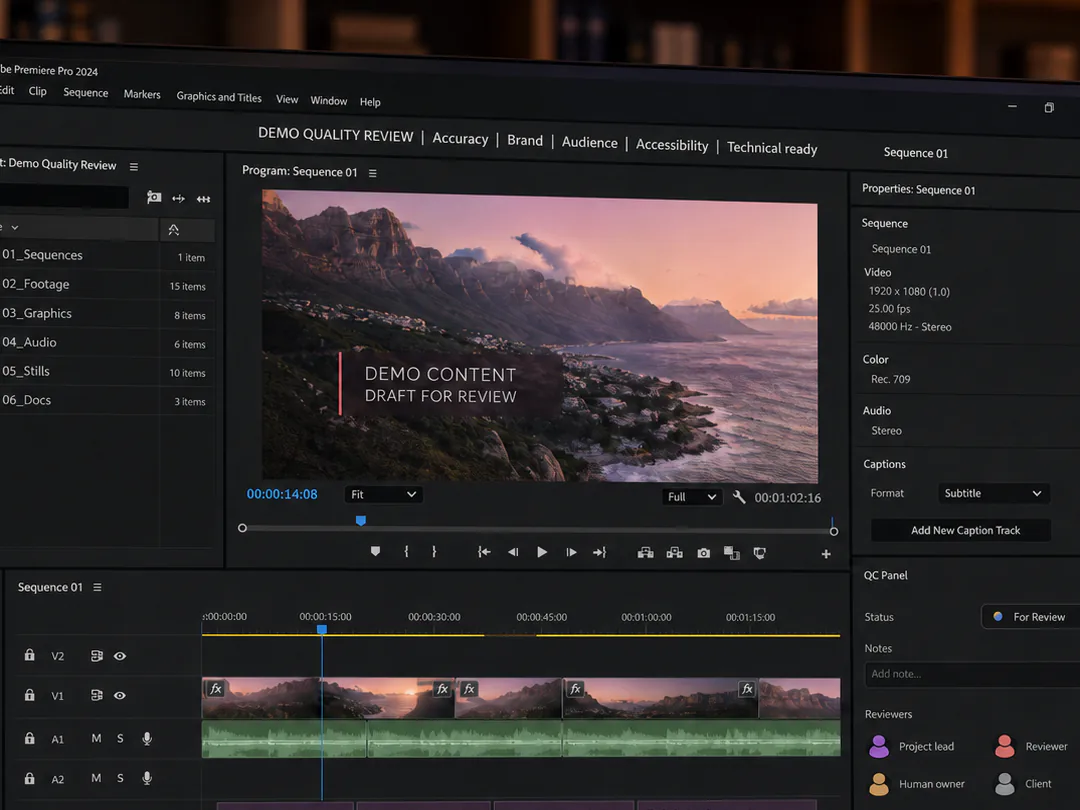
I agree how the work will be checked for factual accuracy, audience relevance, brand consistency, cultural credibility, accessibility, technical quality, correct versions and stakeholder approval.
Quality ownership does not mean doing every specialist check myself. It means ensuring the checks have owners, criteria, evidence and a place in the schedule.
Section 06
I supervise AI-assisted contribution without outsourcing judgement
AI may help research, structure information, generate options or adapt content. I keep the approved sources, permissions, review criteria and final decision visible so the team does not confuse faster output with finished work.
The customer should still receive content shaped by human understanding of the audience, brand and consequences of publication.
Section 07
I close the project with a usable handover
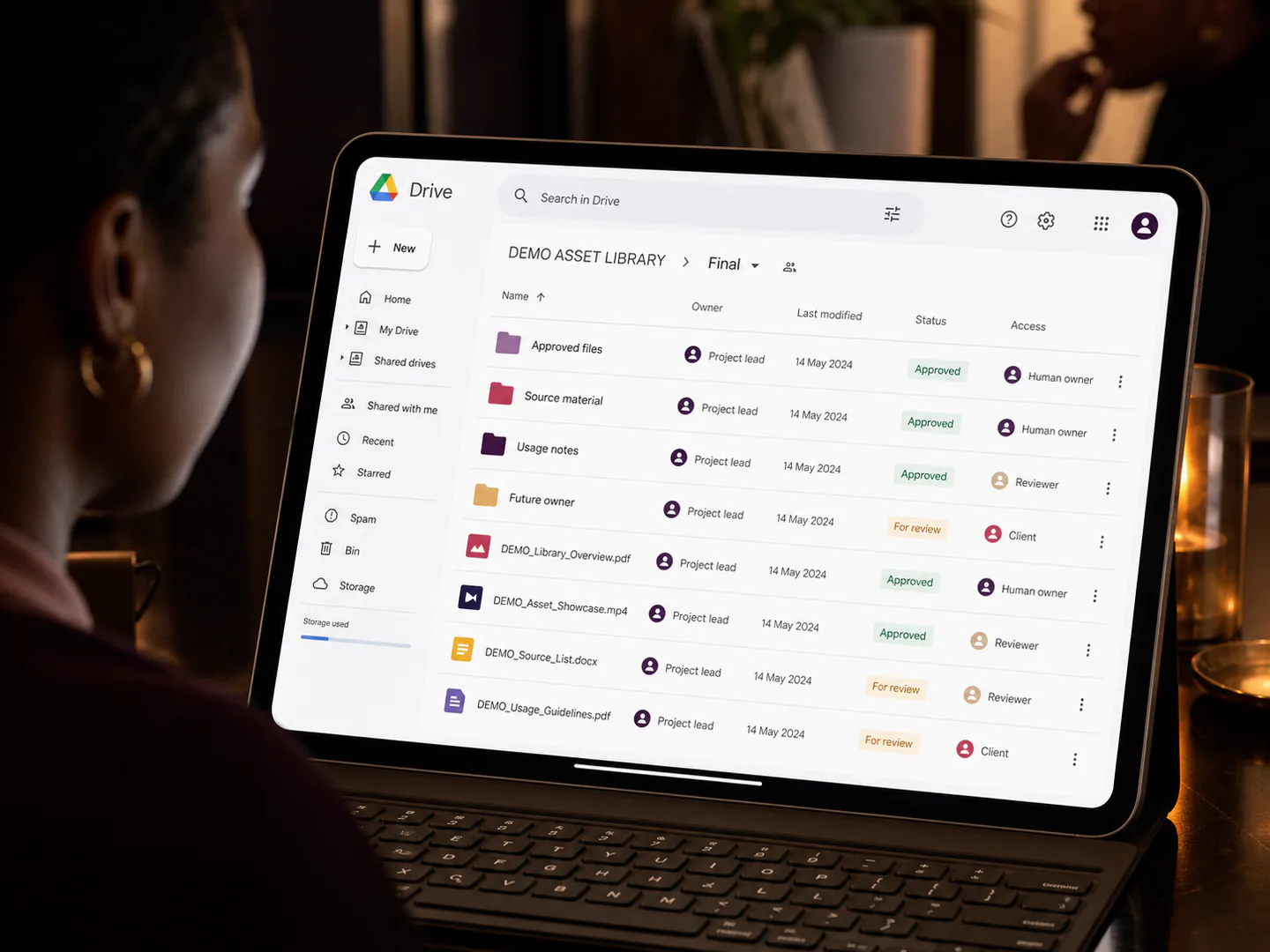
I confirm the approved files, destinations, ownership, rights information, source assets, content notes and any future maintenance requirement. A delivered folder should be understandable to the next person who needs to publish, adapt or update the work.
The handover is where coordination becomes lasting value. It prevents the customer from paying again to reconstruct decisions and find the correct assets.
Turn this insight into an organised next step.
The creative project manager is not positioned between the customer and the creative team as a messenger. The role connects the reason for the work with the conditions required to deliver it well.
When a creative, digital or multimedia project needs clearer translation, stronger coordination or dependable release control, I can help bring structure to the work without losing the story intended for the audience.
Start with the short version: the outcome, intended audience, deadline, available assets, stakeholders and the delivery problem that is currently blocking progress.
Sources and related reading
- PMI — Step Up: Redefining the Path to Project Success with M.O.R.E. (December 2025) — Project success increasingly depends on ownership, perception management, reassessment and a wider view of value.
- World Economic Forum — The Future of Jobs Report 2025 — AI literacy is rising, while creative thinking, resilience, leadership and technological literacy remain important.
- Adobe — 2026 Creative Trends Forecast — The forecast emphasises emotional connection, multisensory work, experimentation, authenticity and local cultural relevance.
- Adobe — 2026 AI and Digital Trends Report — Customers give promotional content only seconds to earn attention and still expect AI-assisted experiences to feel human and brand-aligned.