Project Management · 2026-01-05 · 6 min read
The modern project manager is not valuable because a task board exists. The value lies in turning uncertainty into visible decisions, coordinated action and a result the customer can actually use.
Project management enters 2026 with a higher standard. Organisations can automate reminders, generate meeting notes and produce first drafts faster than before, but none of those capabilities can decide what success means for a particular customer, resolve competing stakeholder expectations or accept responsibility for the final handover.
The World Economic Forum expects technology skills to grow quickly while creative thinking, resilience, leadership and social influence remain important. PMI’s recent research makes the same shift visible from another angle: stakeholders increasingly expect project professionals to own success rather than merely administer activity.
That is the role I recognise. I manage the decision system around the work. I clarify the outcome, make responsibilities visible, organise review and approval, identify risks early and keep the project connected to the audience it is meant to serve.
Key takeaways
- A 2026 project manager owns clarity and outcomes, not only schedules and status reports.
- AI can accelerate preparation, but people must still define scope, approve decisions and judge quality.
- Stakeholder alignment is an active delivery responsibility, not a meeting invitation.
- Creative and digital projects need visible review, version and handover controls.
- The customer should be able to see what will be delivered, who owns it and how completion will be recognised.
Section 01
The role begins with a usable outcome
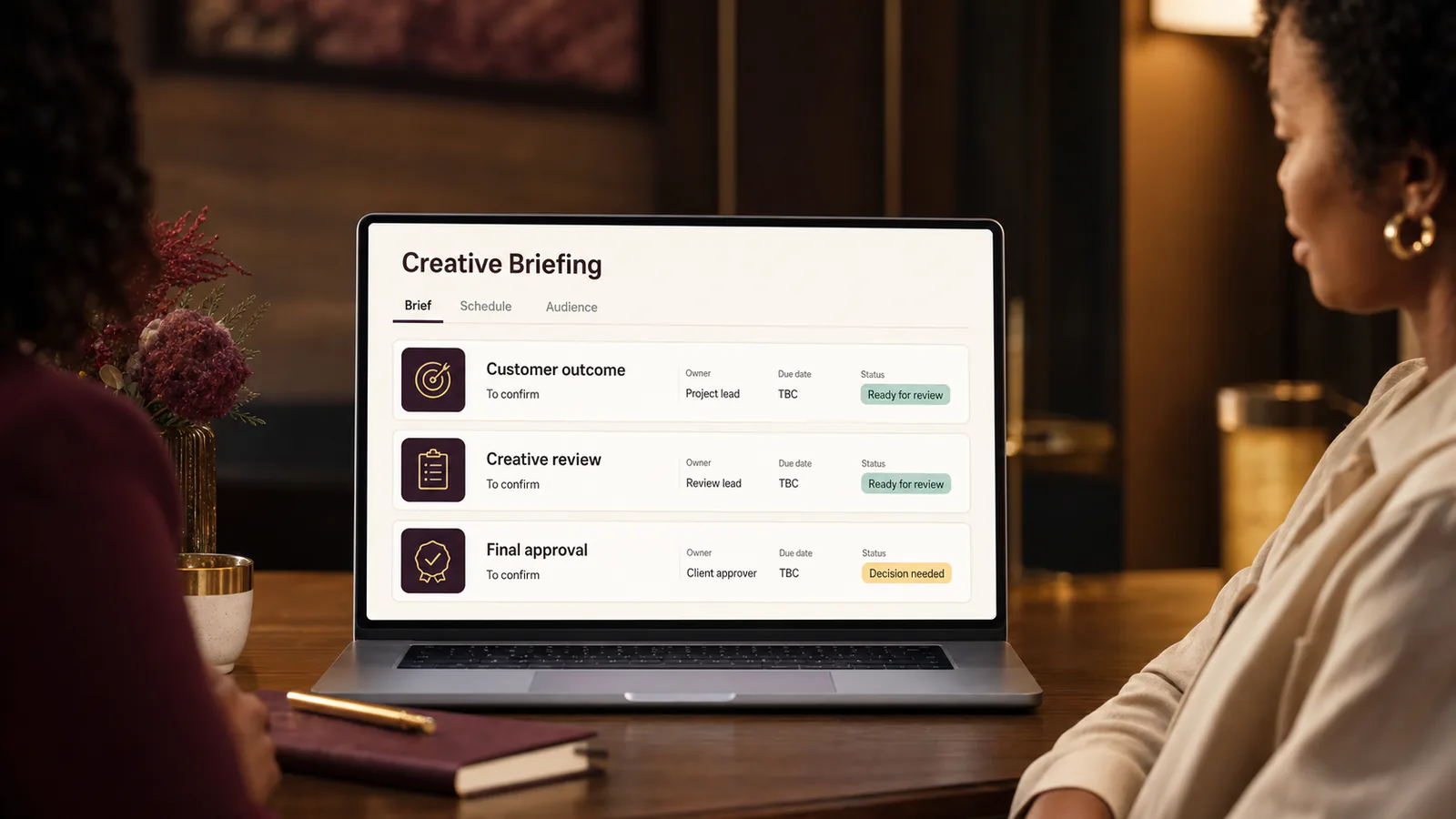
I do not begin with a list of tasks. I begin with the change the customer needs. A website-content project may need clearer enquiries, a campaign may need a consistent message across channels, and a presentation may need decision-makers to understand a proposal. Those outcomes determine the deliverables, priorities and evidence of completion.
When the outcome remains vague, teams can be busy and still move in different directions. I therefore convert broad expectations into a short outcome statement, an intended audience, defined deliverables, a deadline and an agreed test for acceptance.
Section 02
I make the decision path visible
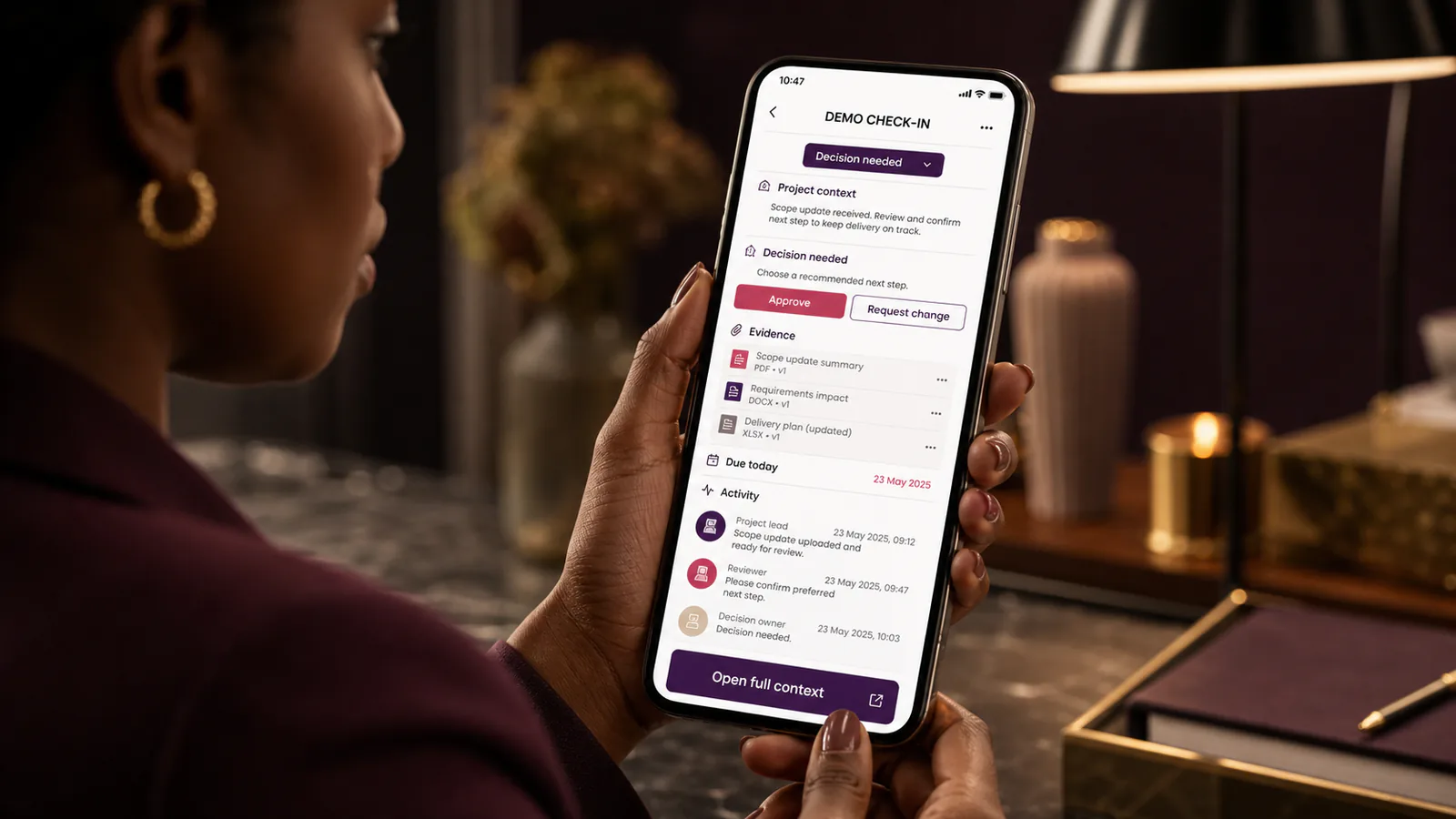
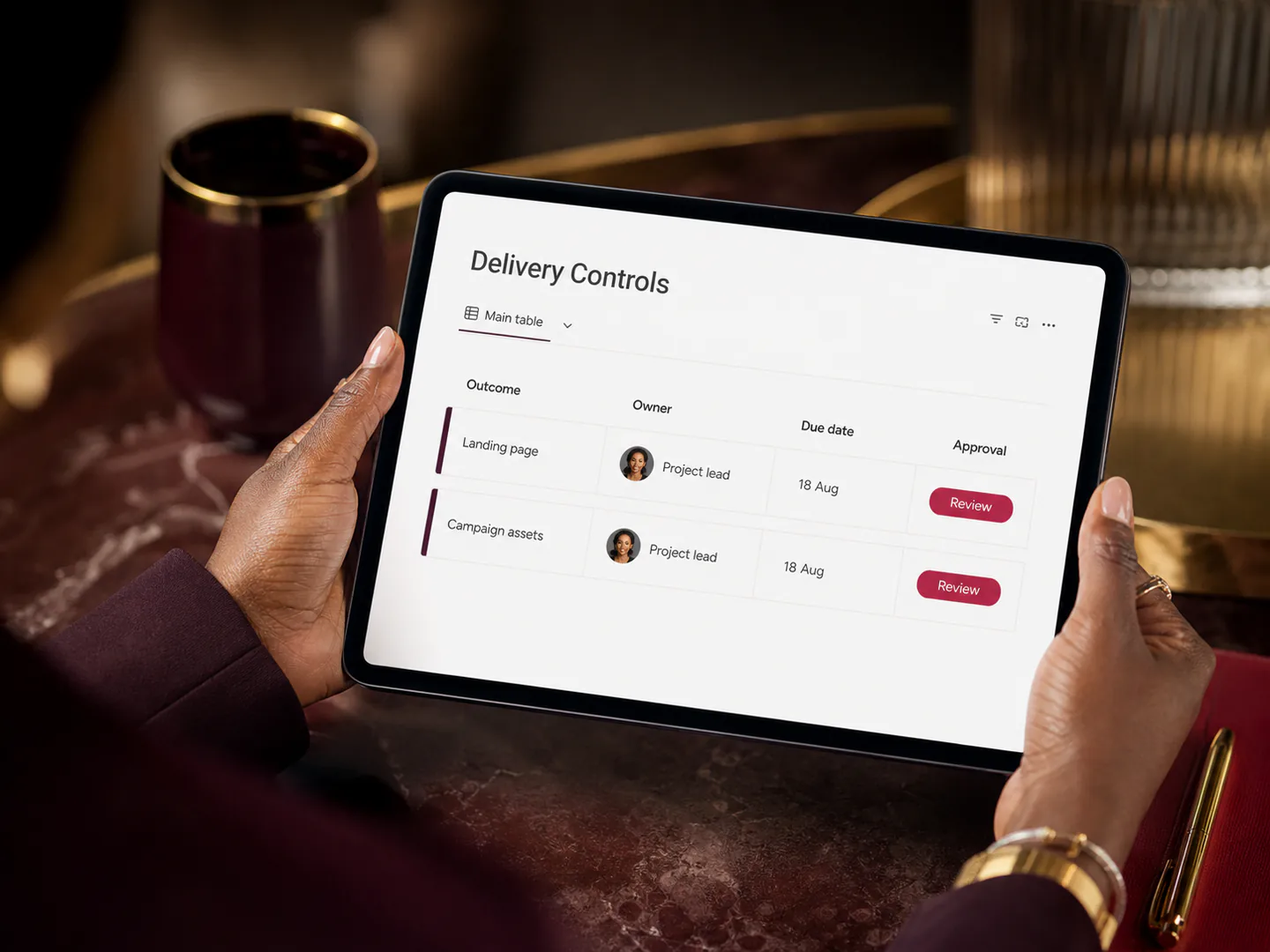
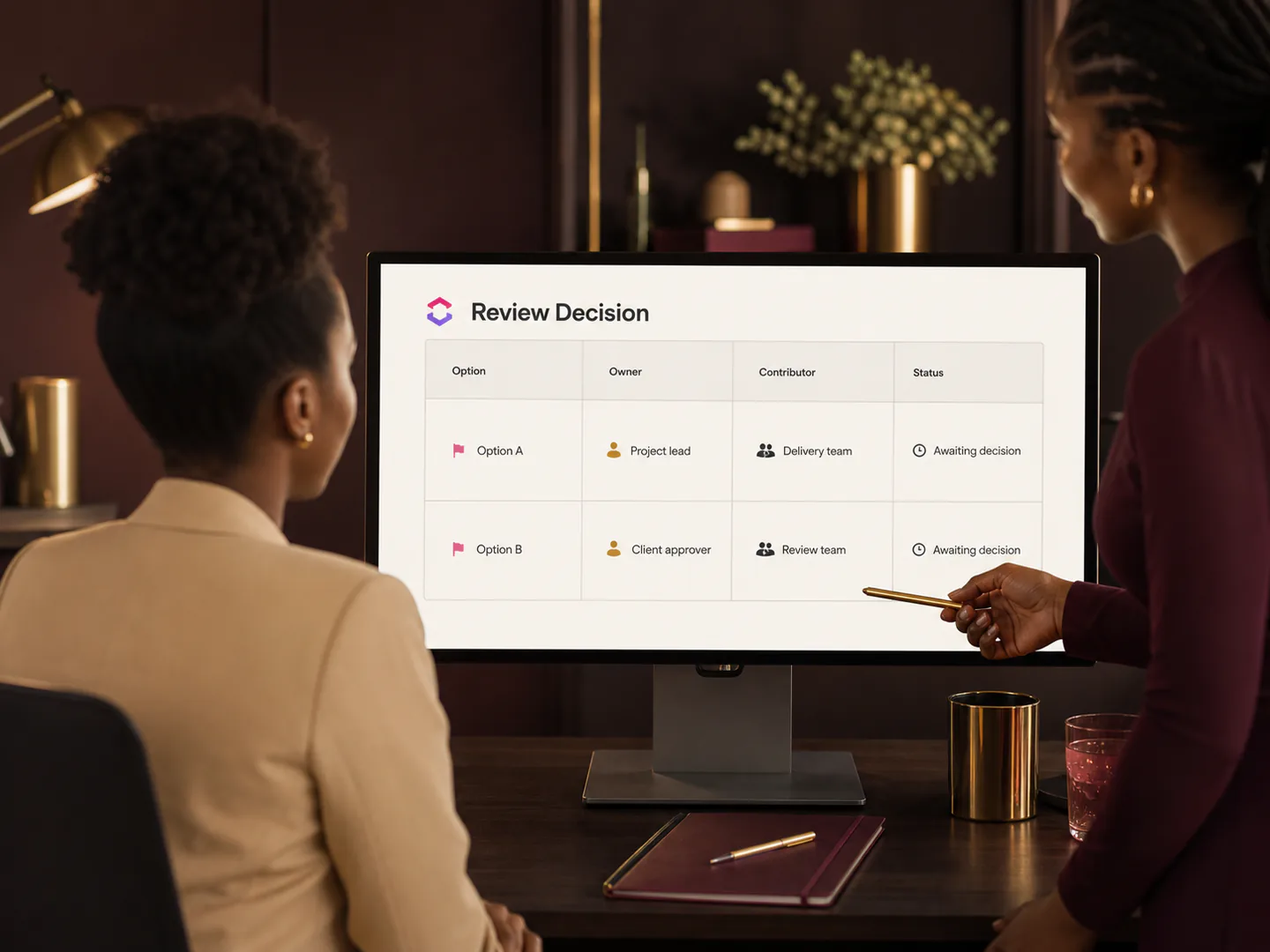
Projects slow down when nobody knows who may decide, who must advise and who only needs to be informed. I identify the sponsor, project owner, contributors, reviewers and final approver before a review cycle becomes urgent.
This is especially important in creative work, where feedback can be subjective. A clear decision path prevents every opinion from becoming an instruction and gives contributors a fair route for resolving conflicting requests.
Section 03
A schedule is useful only when dependencies are understood
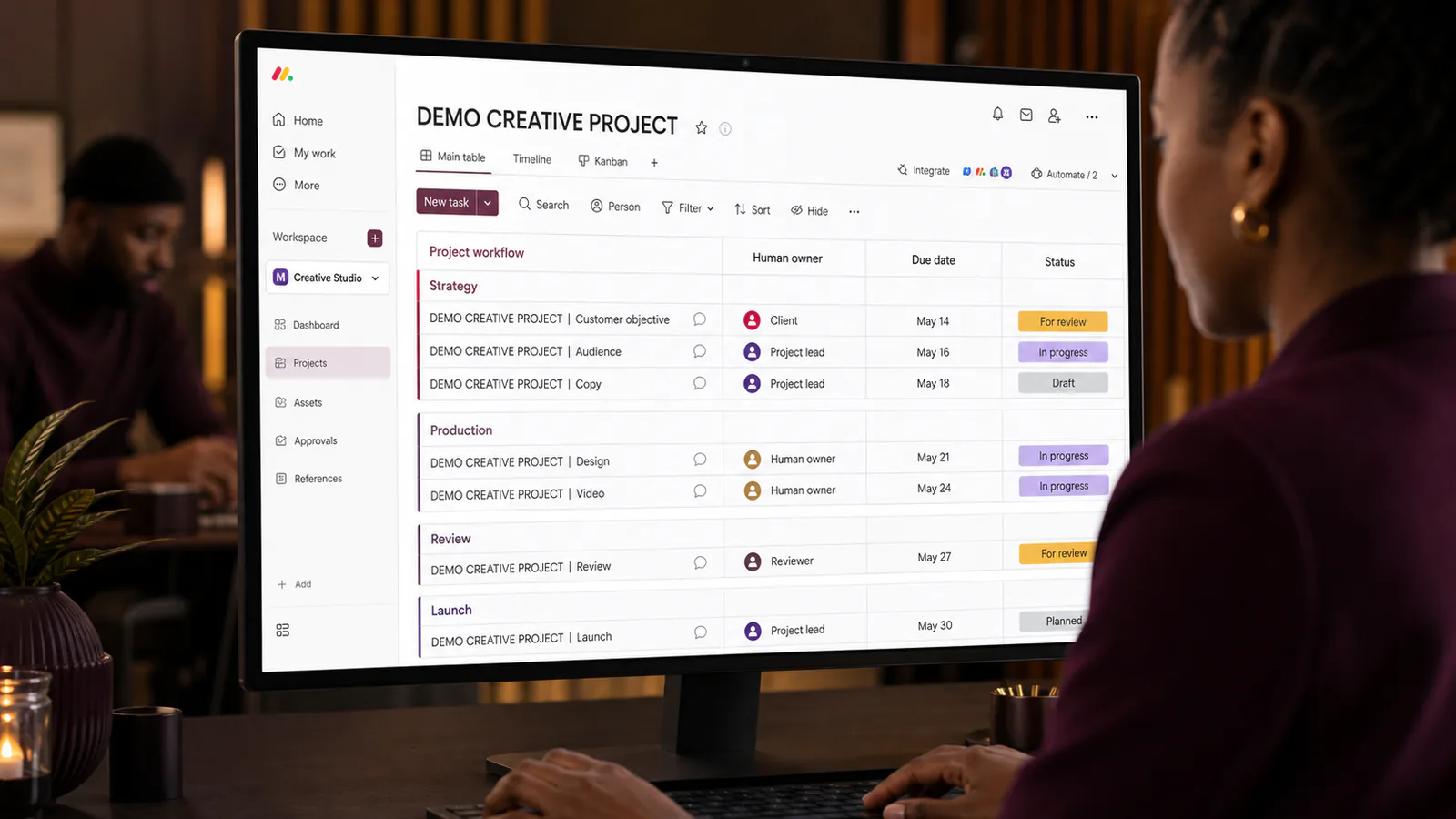
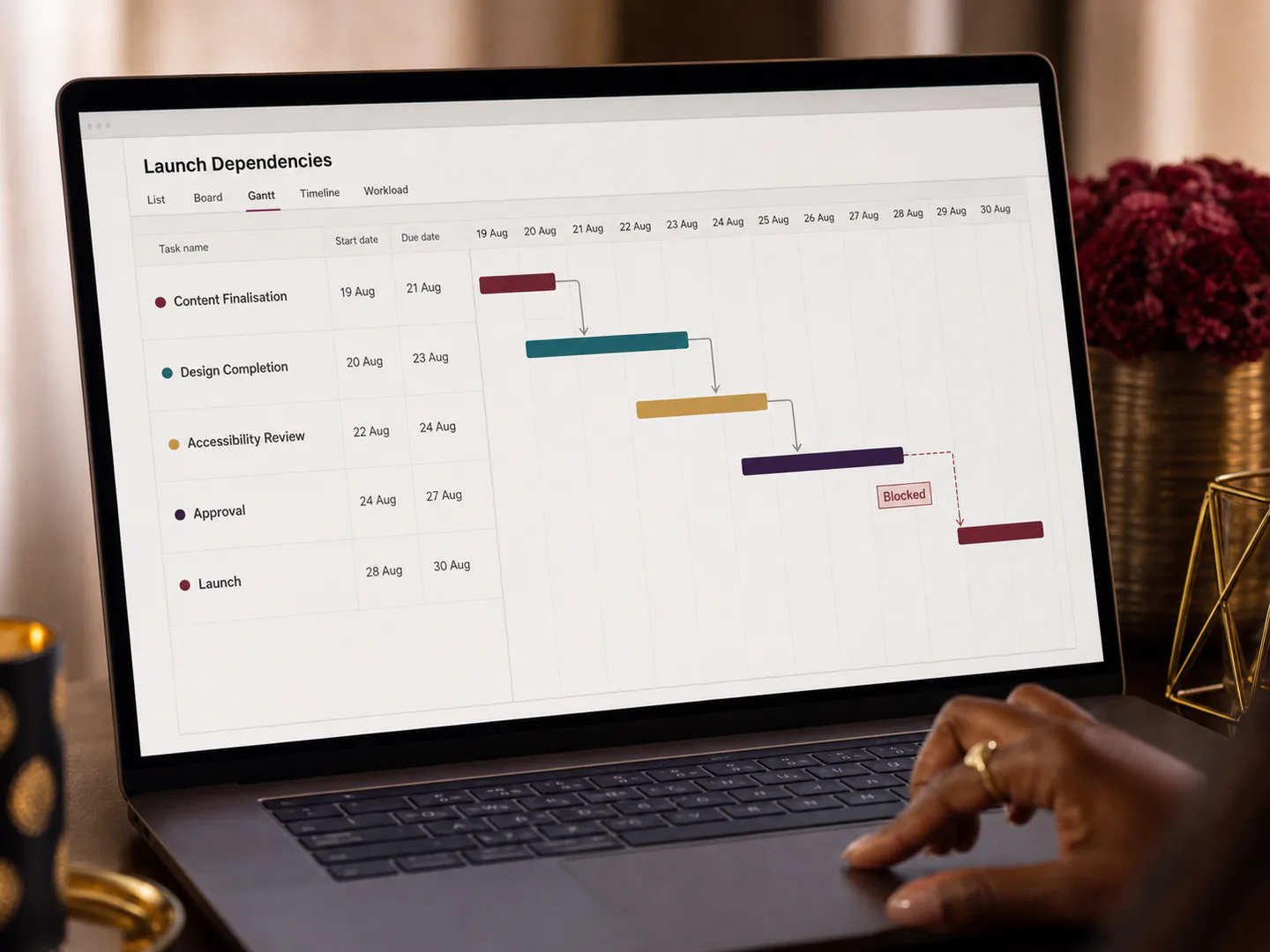
A deadline on a calendar does not reveal the conditions required to meet it. I map the assets, information, contributors, decisions and approval windows that sit underneath each milestone. Missing copy, an unavailable stakeholder or an unconfirmed platform specification can delay the entire chain.
I track those dependencies openly and raise them before they become last-minute emergencies. The purpose is not to create administration. It is to protect the team from avoidable rework and to give the customer an honest view of delivery readiness.
Bring the moving parts into one delivery process.
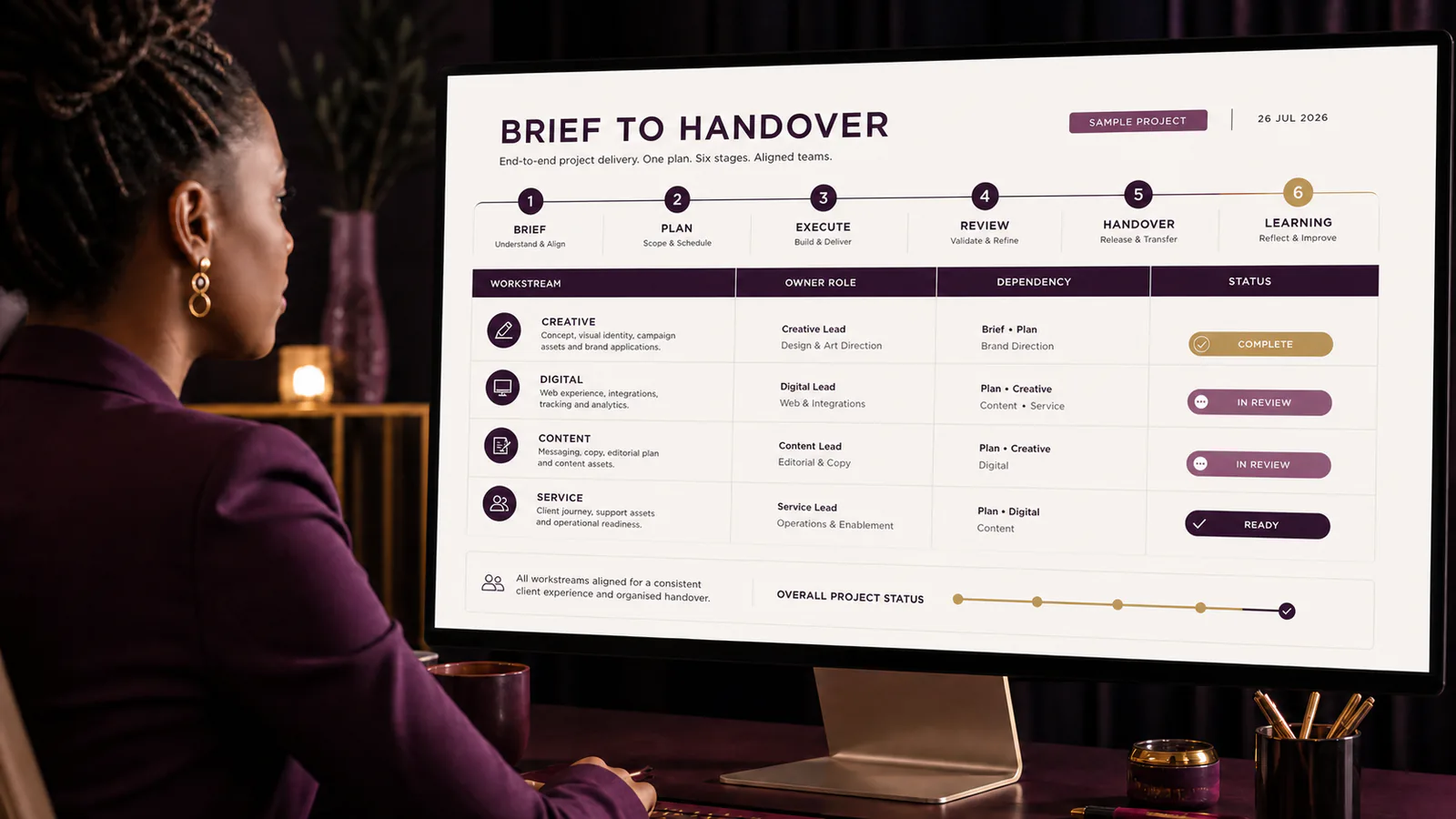
I can clarify the brief, define deliverables, map responsibilities, organise the schedule, coordinate stakeholders and establish a review-to-handover process for creative, digital and multimedia projects.
Section 04
AI increases the need for supervision
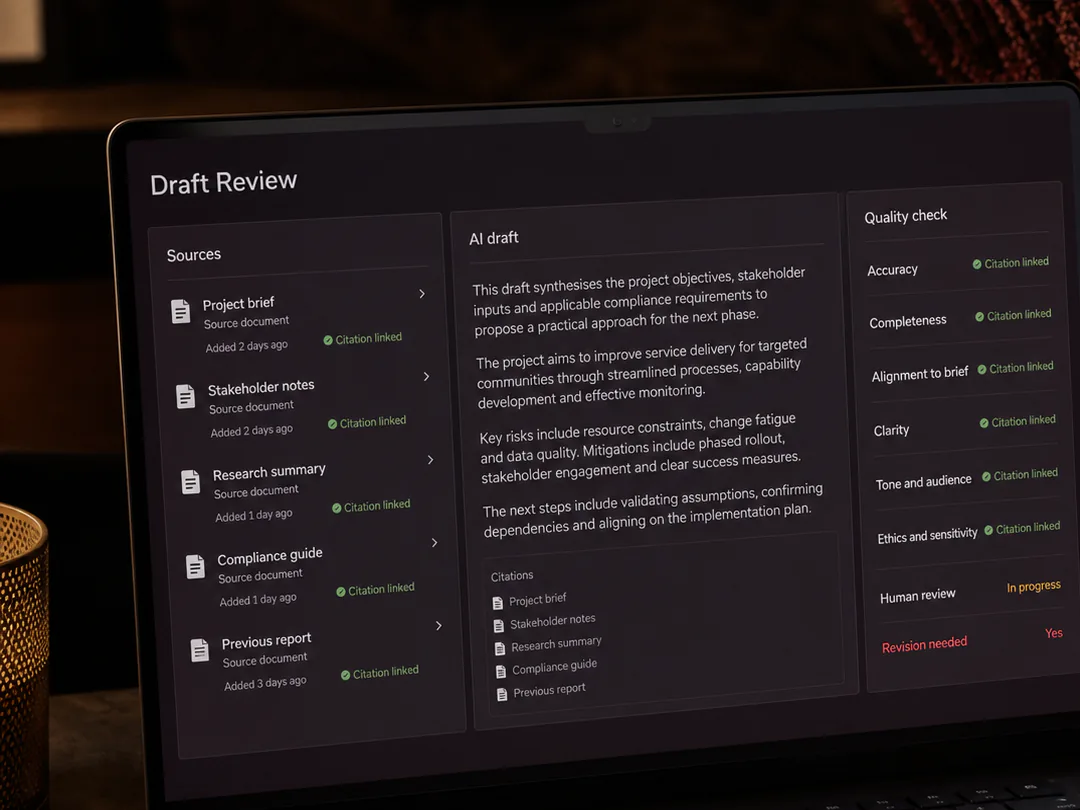
AI-assisted research, summaries, content structures and draft options can reduce preparation time. They can also create false confidence when a polished output hides weak evidence, an incorrect assumption or a tone that does not fit the audience.
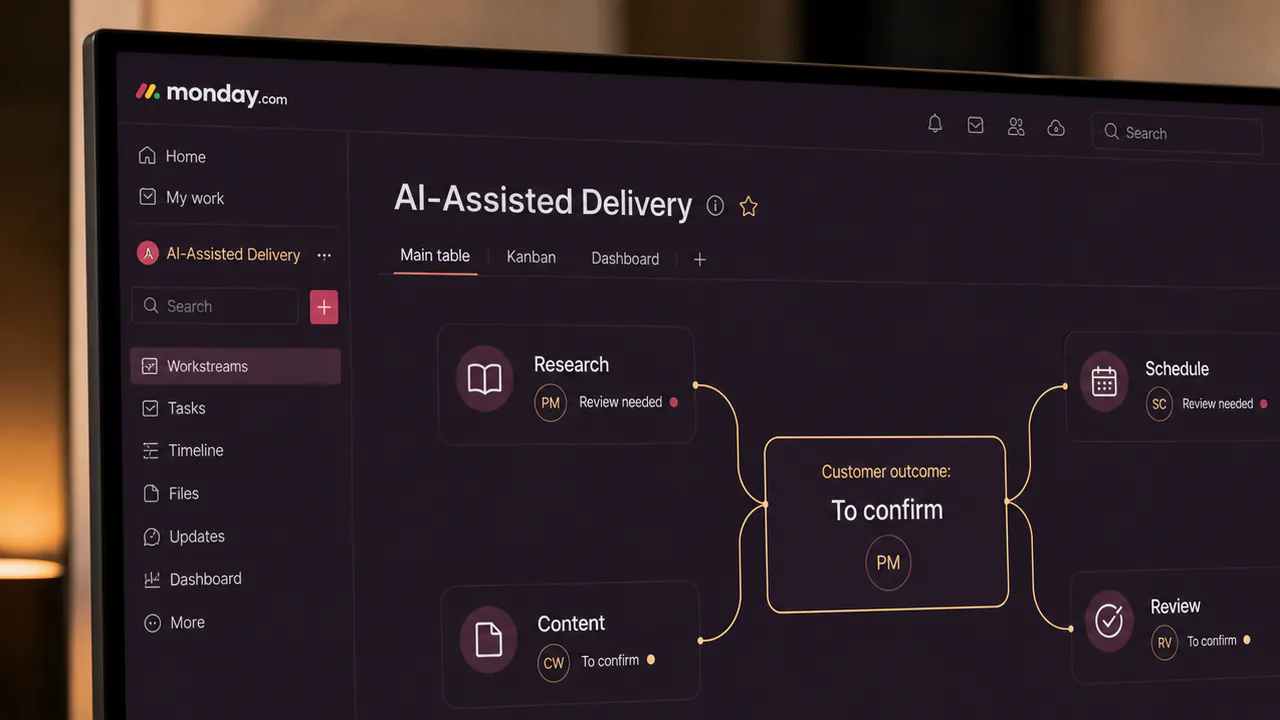
I use AI as a supervised contributor. The brief, source material, permissions, review criteria and final decision remain human responsibilities. Faster drafting should create more room for judgement, not remove the release gate.
Section 05
Quality is defined before the final review
Quality cannot be rescued by a vague instruction to “make it better” at the end. I establish practical checks early: factual accuracy, audience relevance, brand consistency, accessibility, technical readiness, file organisation, stakeholder approval and correct delivery format.
These criteria give the team a shared standard. They also help the customer distinguish a preference change from a genuine defect, which keeps review constructive and protects the agreed scope.
Section 06
The project manager protects the customer experience
The customer experiences the combined result, not the internal departments that produced it. A late approval, inconsistent message or missing asset appears to the audience as one broken promise. I therefore look across the complete journey rather than treating each output as an isolated task.
My multimedia background helps me understand how content, design, timing and platform requirements interact. My project-management discipline keeps those moving parts coordinated.
Section 07
A strong handover leaves the work understandable
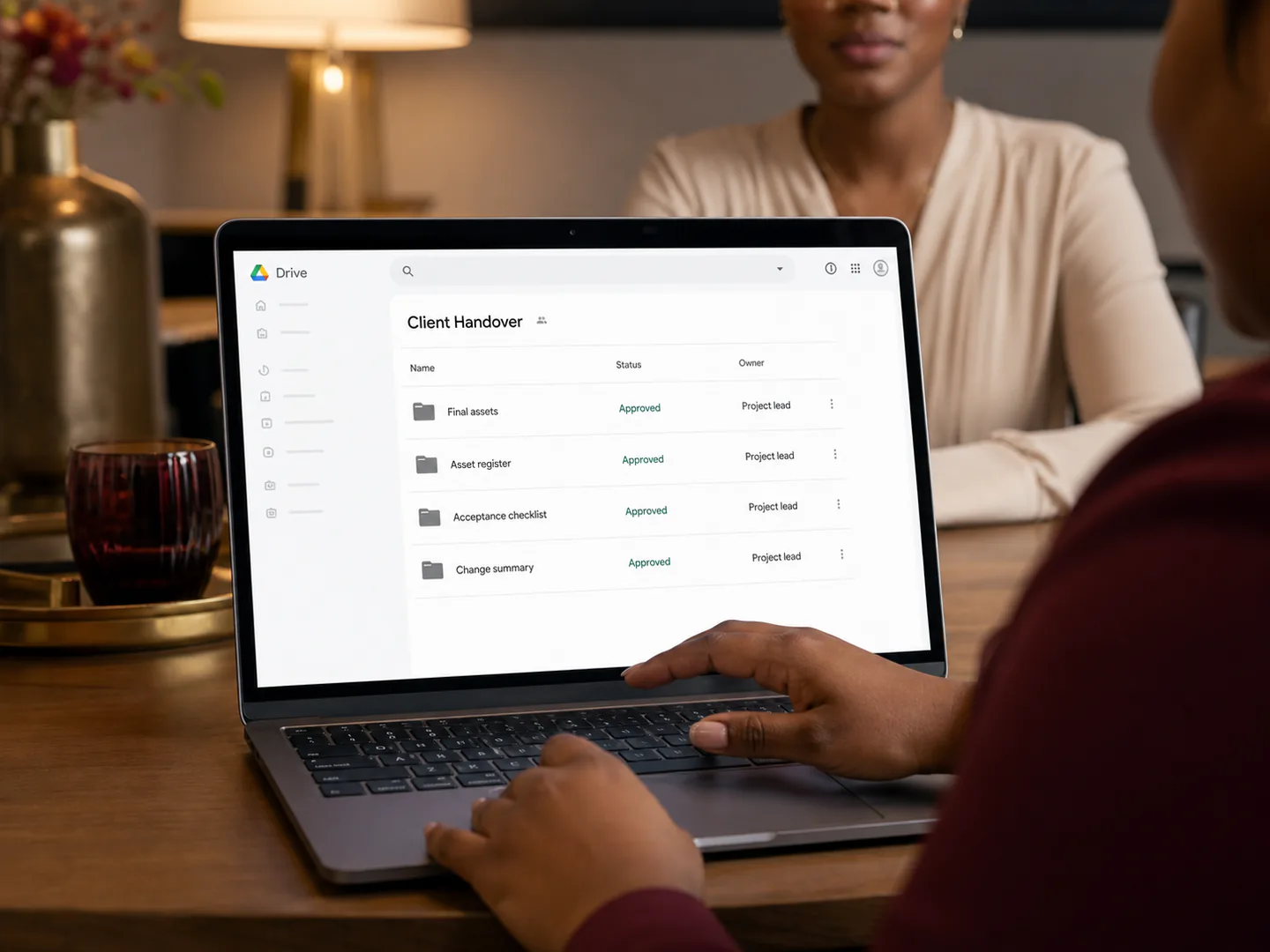
Completion means more than sending final files. I confirm approval, separate working and final versions, organise assets, record key decisions and provide the information needed for the next person to use or maintain the work.
A dependable handover reduces future confusion and demonstrates respect for the customer’s time, investment and operational reality.
Turn this insight into an organised next step.
The project manager of 2026 is not a human reminder system. The role is to keep purpose, people, decisions, content, risk and quality connected while tools and conditions continue to change.
When a project has energy but lacks clarity, I can help turn the requirement into a visible delivery process. The first useful conversation is not about software. It is about the outcome, audience, deadline, stakeholders and the point at which the work is currently losing momentum.
Start with the short version: the outcome, intended audience, deadline, available assets, stakeholders and the delivery problem that is currently blocking progress.
Sources and related reading
- PMI — Step Up: Redefining the Path to Project Success with M.O.R.E. (December 2025) — Project success increasingly depends on ownership, perception management, reassessment and a wider view of value.
- World Economic Forum — The Future of Jobs Report 2025 — AI literacy is rising, while creative thinking, resilience, leadership and technological literacy remain important.
- Microsoft — 2025 Work Trend Index: The Frontier Firm Is Born — Human-agent teams increase the need for direction, supervision, workflow design and judgement.