AI Tool Selection · 2026-05-11 · 6 min read
The best agentic tool is not the one with the longest feature list. It is the one a team can fit to a defined use case, govern responsibly and support after the first demonstration.
Claude Code, Codex and Gemini have all expanded the idea of an AI assistant into more active work across projects, files, tools and workflows. Their public documentation describes different environments and capabilities, but a project leader should resist reducing the choice to a headline feature or a single impressive demonstration.
Adoption creates an operating commitment. The team must know what the tool may access, which work it is suited to, how outputs are reviewed, where activity is recorded and who supports the workflow when something changes.
I use the comparison below as a project brief rather than a product ranking. Tool capabilities evolve quickly. The durable decision is how well the selected option fits the organisation’s work, risk, people and customer obligations.
Key takeaways
- Choose the use case and operating environment before choosing the tool.
- Context quality, exclusions and permissions affect both relevance and risk.
- Integrations create value only when data ownership and failure routes are understood.
- Review evidence and human decision rights matter more than a polished first result.
- Plan support, training, cost, change control and exit before scaling adoption.
Section 01
Comparison one: what work is the team actually assigning?
I separate software delivery, research, content preparation, documentation, analysis, task automation and cross-tool operations. A team may need one bounded workflow rather than a general-purpose agent across everything.
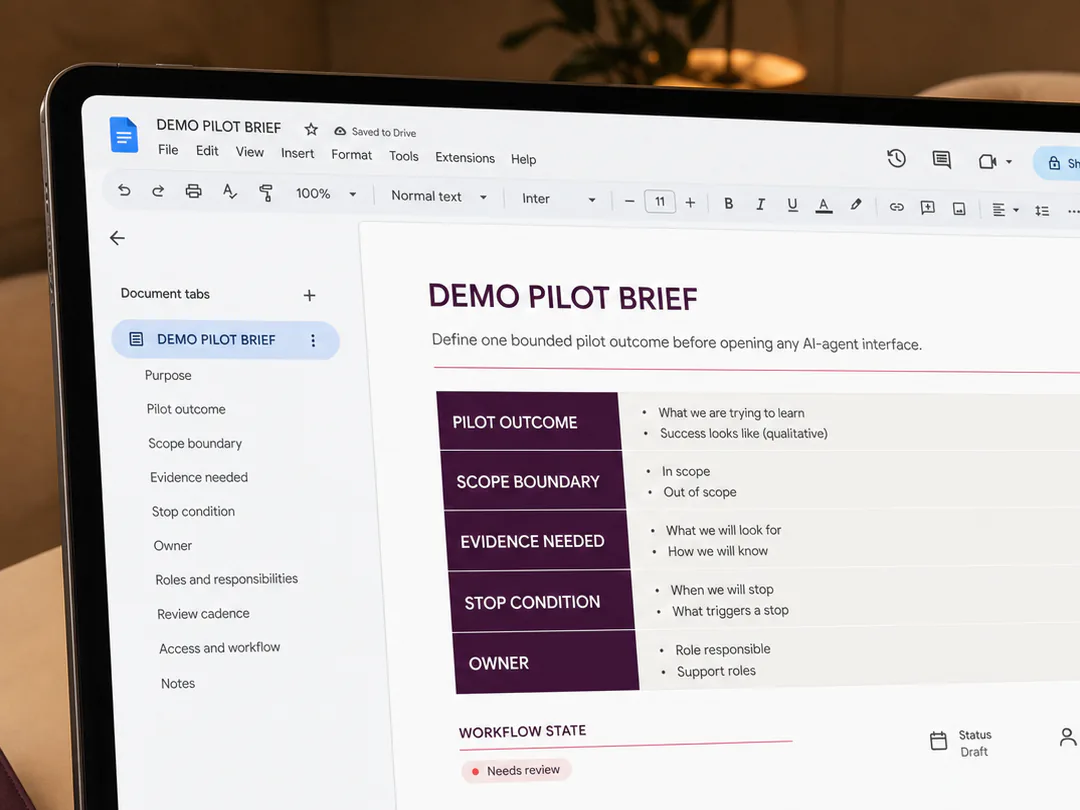
The pilot brief should state the customer or internal outcome, input material, expected output, reviewer and success measure. This makes product evaluation comparable rather than anecdotal.
Section 02
Comparison two: where will the work run?
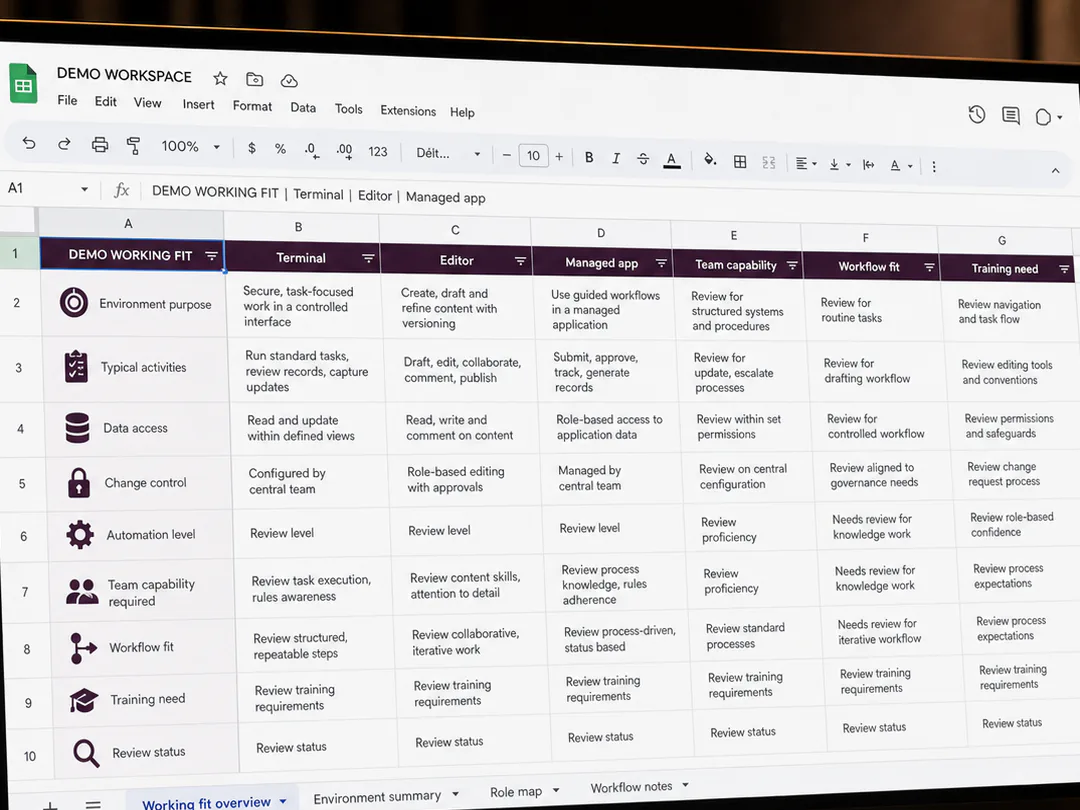
Codex documentation has described editor, terminal, cloud and app-based workflows. Claude Code is positioned around terminal-based agentic work with explicit permissions and integrations. Gemini CLI is open source and designed for terminal-based tasks including coding, research, content generation and task management.
The practical question is whether the environment matches the team’s skills, devices, infrastructure and review habits. A powerful interface can still fail adoption when it sits outside the way people work.
Section 03
Comparison three: how is project context selected?
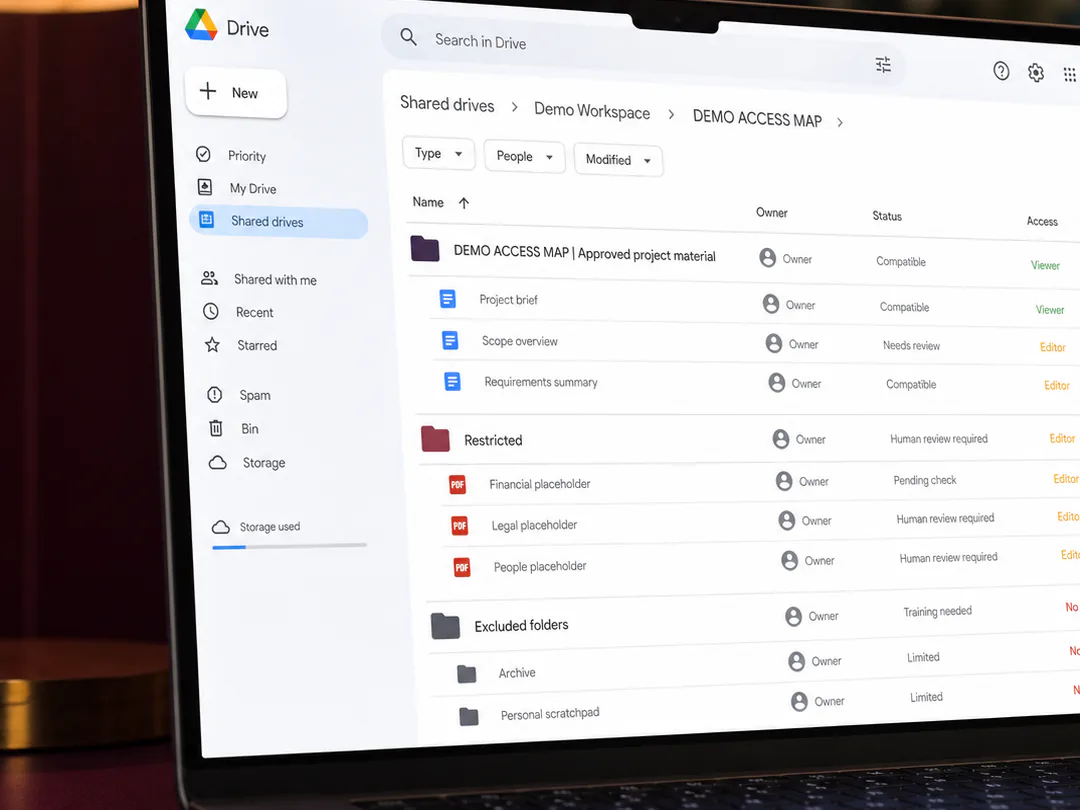
The tool needs enough current context to be useful without receiving every file by default. I compare how the team will provide source documents, project instructions, repository or workspace context, examples and exclusions.
Context management also needs an owner. Outdated guidance, duplicate files and sensitive information should not quietly become part of repeated tasks.
Bring the moving parts into one delivery process.
I can prepare a tool-neutral adoption brief, organise the use cases and stakeholder requirements, map context and permission boundaries, coordinate a controlled pilot and produce a decision record your technical and business teams can both use.
Section 04
Comparison four: what may the agent access or change?
I review filesystem boundaries, network access, external tools, credentials, publication rights and whether high-impact actions need explicit approval. Anthropic’s sandboxing guidance, for example, frames boundaries as a way to reduce repetitive prompts while preserving control.
The best configuration is not always maximum autonomy. It is the minimum access that allows the agreed workflow to succeed.
Section 05
Comparison five: how do integrations affect responsibility?
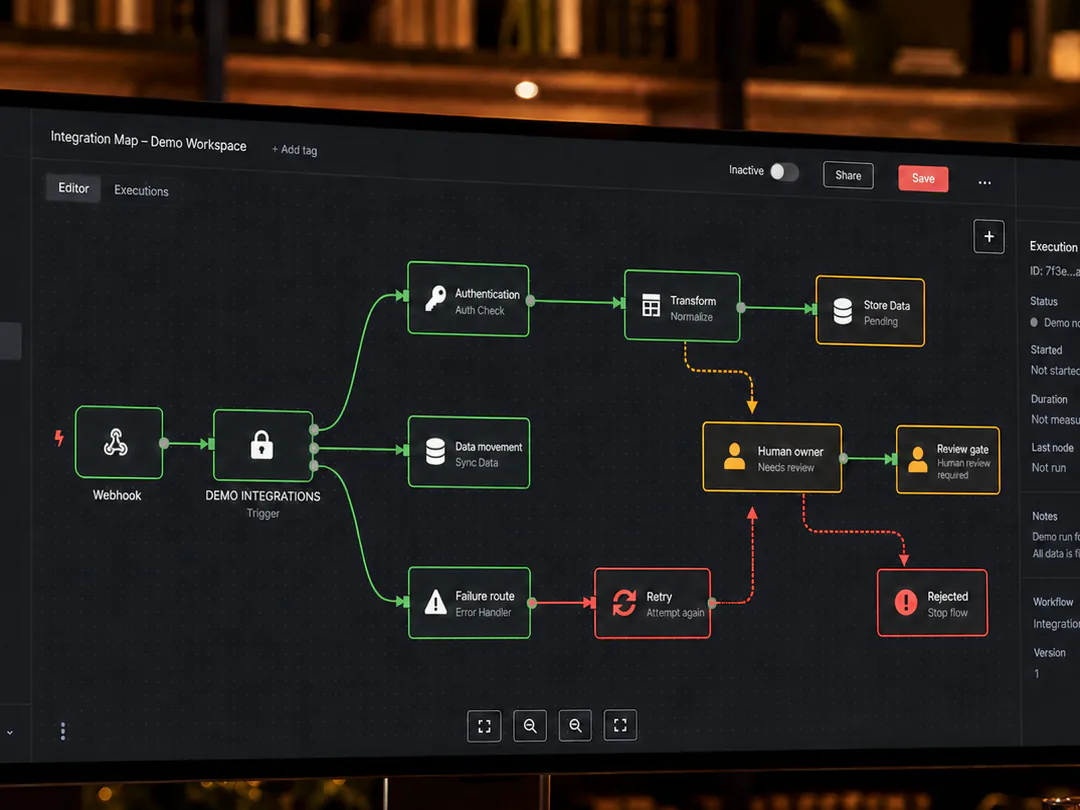
Claude Code can connect to tools through MCP, Codex has described integrations and an SDK, and Gemini CLI supports extensibility. Every connection introduces questions about trusted sources, authentication, data movement, error handling and the owner of downstream actions.
I map those connections as project dependencies rather than treating them as invisible convenience.
Section 06
Comparison six: what can the reviewer inspect?
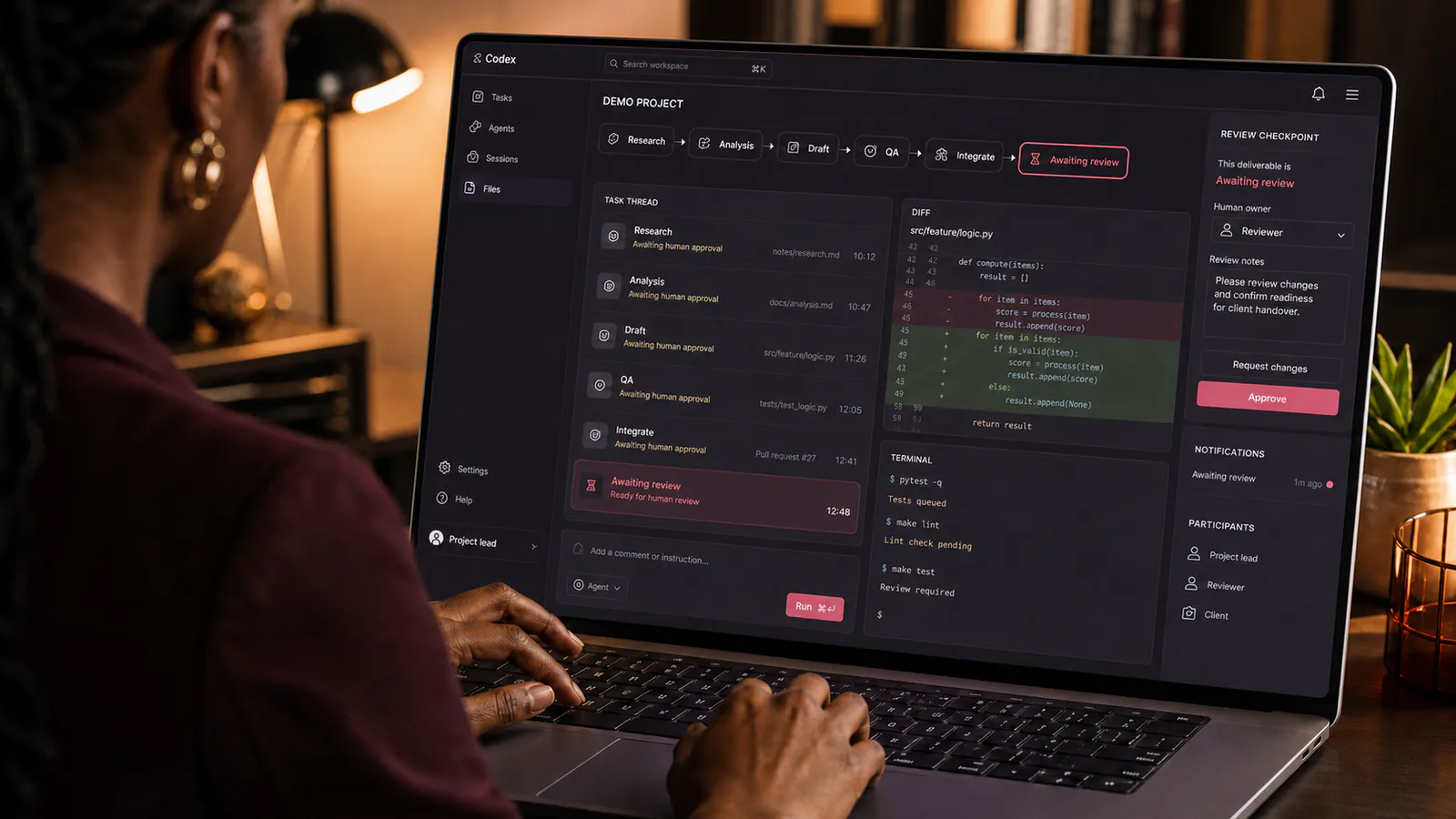
A project leader needs reviewable changes, source references, task history, test or quality evidence, unresolved questions and a clear route to reject or revise the output. The reviewer should not have to trust a summary that cannot be traced.
I also check whether the evidence fits the people responsible for approval. A non-technical stakeholder may need a customer-impact summary alongside detailed technical changes.
Section 07
Comparison seven: can the organisation operate the choice?
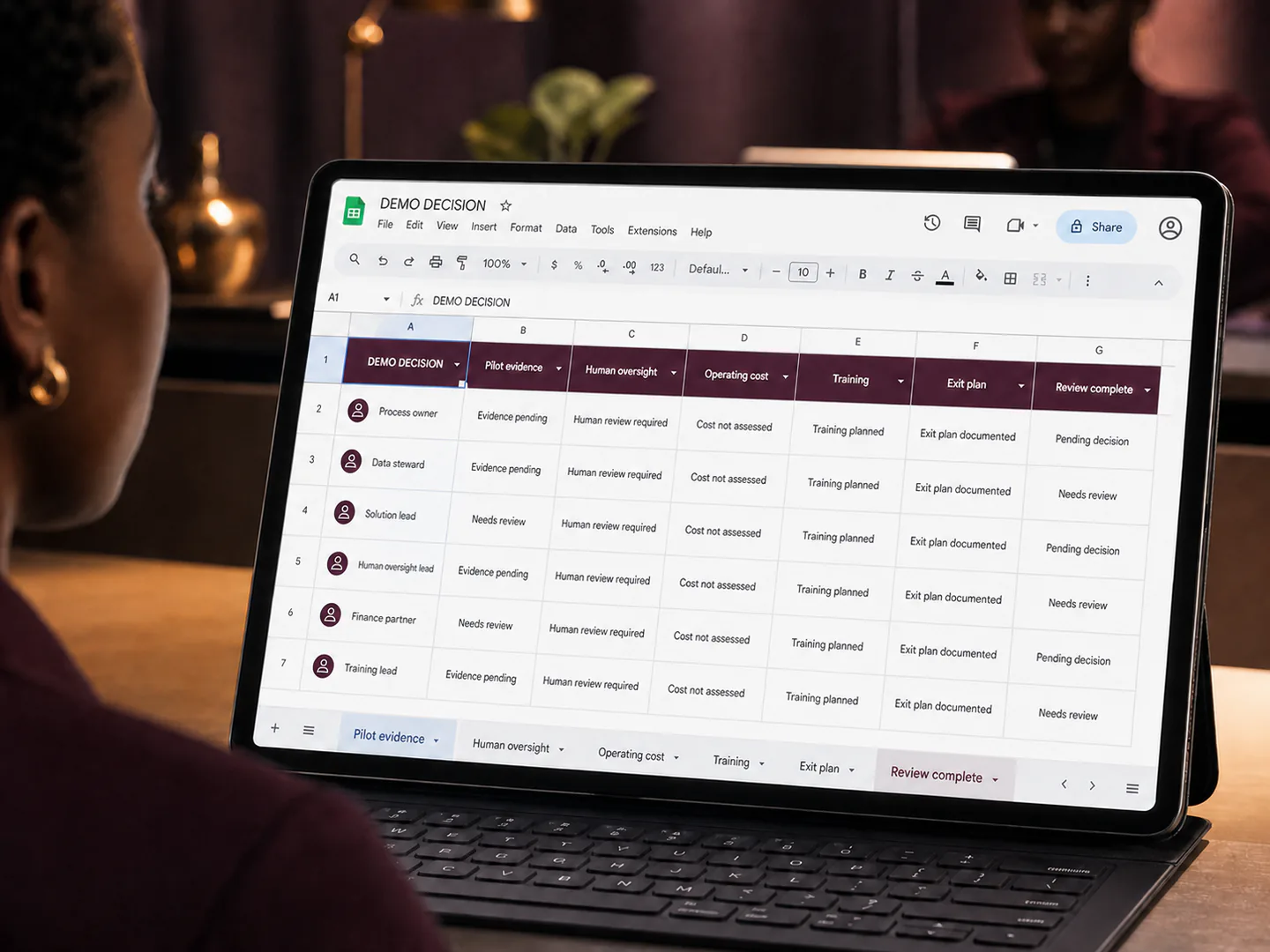
I include training, administration, security review, subscription or usage costs, support, model changes, record retention, workflow maintenance and an exit plan. A pilot is incomplete when only the successful demonstration is documented.
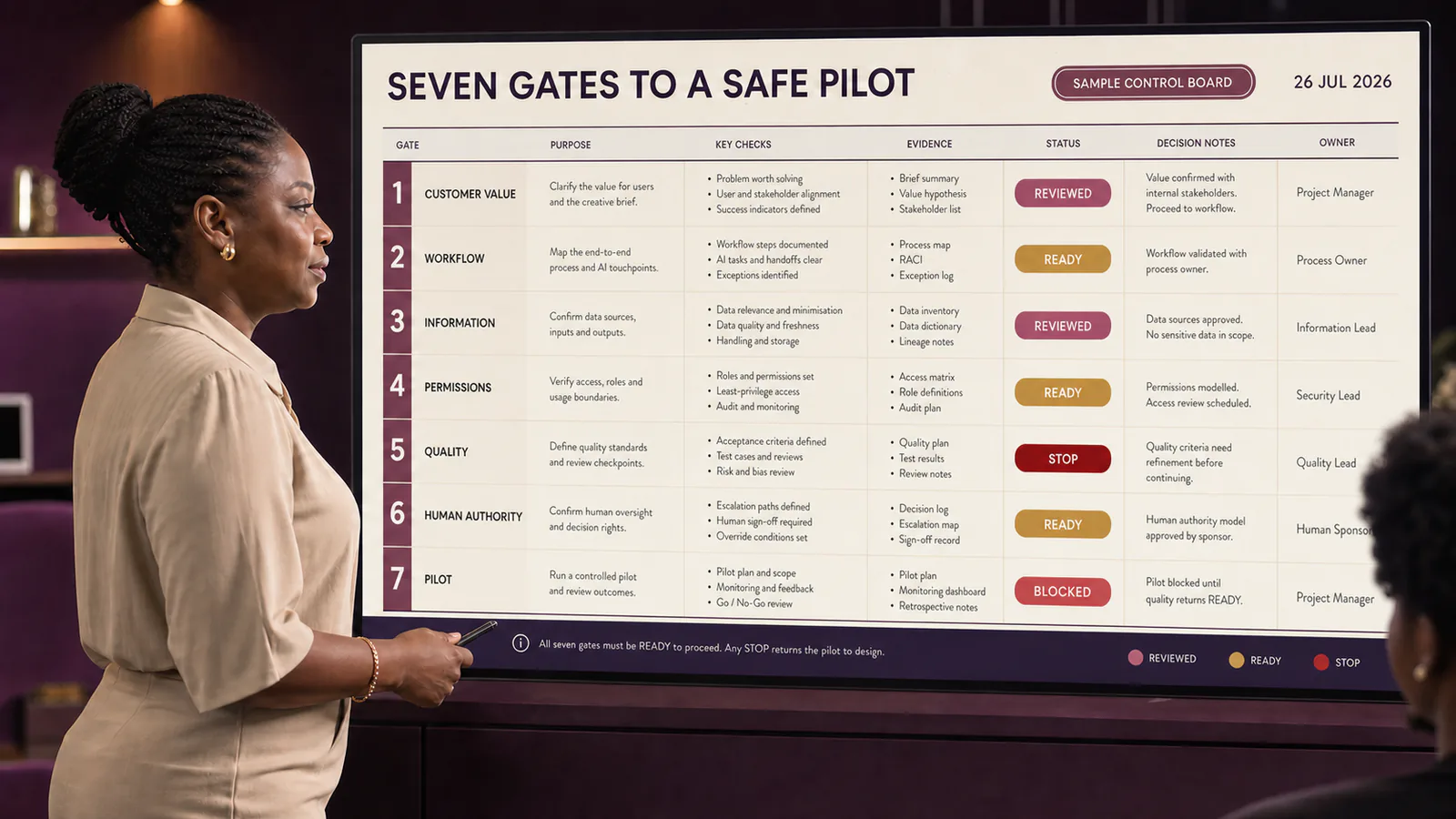
The adoption decision should identify a named owner, approved use cases, prohibited uses, review standards and a date for reassessment.
Turn this insight into an organised next step.
Claude Code, Codex and Gemini can each support valuable work. The project leader’s responsibility is to turn product capability into a controlled service for a real team and a real customer outcome.
When a team is debating brands before it has agreed the work, risk and review model, I can help establish the comparison framework that makes the final choice defensible.
Start with the short version: the outcome, intended audience, deadline, available assets, stakeholders and the delivery problem that is currently blocking progress.
Sources and related reading
- OpenAI — Codex Is Now Generally Available (6 October 2025) — Codex expanded across editor, terminal and cloud, with integrations, an SDK and administrative controls.
- OpenAI — Introducing the Codex App (2 February 2026) — The app introduced supervision of multiple agents, parallel tasks, isolated work and reviewable changes.
- Anthropic — Claude Code Overview and Documentation — Claude Code is an agentic tool that can inspect projects, plan, edit, test and automate work with explicit permissions.
- Anthropic — Making Claude Code More Secure and Autonomous with Sandboxing (20 October 2025) — Predefined filesystem and network boundaries can reduce repetitive approvals while preserving control.
- Anthropic — Connect Claude Code to Tools Through MCP — MCP connections can expose project tools and data, which increases the importance of trusted sources and scoped access.
- Google — Gemini CLI: Your Open-Source AI Agent (25 June 2025) — Gemini CLI supports coding, content generation, research, problem-solving, task management and extensibility.